


How to sell sarees online in India — for handloom, designer and reseller sellers
To sell sarees online, decide whether you resell from a supplier or hold your own stock, photograph each saree so buyers see the drape, pallu, border and true colour, and describe the fabric, weave, length and blouse piece honestly. Then set clear cash-on-delivery and return rules, and move your WhatsApp catalogue to a store where every saree has its own page, price and “sold out” label.
Key takeaway: a saree buyer can’t touch the fabric, so your photos and words do the touching for them. Show the drape, the pallu, the border and a daylight close-up; state the fabric, weave, length and blouse piece exactly; and never call a blend “pure silk”. A free SitesPlaced store gives each saree its own page with a stock of 1, so sold pieces disappear on their own, and takes UPI, COD and WhatsApp orders at 0% commission.
TL;DR
- • Pick a model: reselling (little money, less control) or own stock (more money, your own photos and margin).
- • Photos: full drape, pallu, border, fabric close-up, blouse piece, a short video. Daylight, no filters.
- • Words: fabric, weave, zari, measured length, blouse piece, fall and pico, care.
- • COD: keep it, add a small COD charge, confirm expensive orders on WhatsApp.
- • Returns: damage and wrong item, with a short window; say what isn’t returnable.
- • Store: the free Clothing Store template, or the Premium Store for higher-priced handloom.
1. Reseller or own stock?
A reseller shares a supplier’s catalogue, adds a margin, and the supplier ships to the buyer. Own stock means you buy the sarees, from wholesale markets such as Surat or from weavers, and ship them yourself.
| Model | Money upfront | Photos | Control | Main risk |
|---|---|---|---|---|
| Reseller (supplier ships) | Almost none | The supplier’s, shared with other resellers | Low: supplier packs and dispatches | Stock can sell out elsewhere; late or wrong dispatch is still your problem |
| Own stock | Every saree you buy | Your own | High: you check, pack and ship | Unsold stock ties up money |
| Direct from weavers | Stock or advance to the weaver | Your own, with the weaver’s story | High on quality, slower to restock | Longer wait between orders and delivery |
If you resell, protect yourself: order one piece from a new supplier to check the quality, confirm the saree is in stock before you take payment, and ask for the supplier’s own video, not just edited photos. Don’t repeat a supplier’s “pure silk” or “handloom” claim unless they can back it. Buyers hold you responsible, not the supplier. Paperwork is light to start, but GST depends on your sales and on whether you ship to other states; see do you need GST to sell online in India and confirm with a CA.
2. Photograph the drape and the fabric
One flat photo of a folded saree hides everything a buyer cares about. For each saree, take:
- • The full drape on a model or a mannequin, front on, so the fall of the fabric shows.
- • The pallu spread out, because the pallu often carries the main design.
- • A border close-up, and a daylight close-up of the body fabric that shows the weave or print.
- • The reverse side for handloom, where the weave shows its work.
- • The blouse piece, laid next to the saree.
- • The saree folded, as it will arrive.
- • A 10-second video of the fabric moving, to show sheen and weight.
True colour is hard to capture on a phone, so shoot near a window in daylight, turn off beauty filters and don’t push the saturation. A line such as “Photographed in daylight; colour may vary slightly on your screen” is honest, but aim to make it unnecessary. More in how to take better product photos.
3. Describe it honestly: fabric, weave, length, blouse
A clear description prevents the two most painful messages a saree seller gets: “this isn’t what I ordered” and “this isn’t silk”. State these on every listing:
| Detail | What to write |
|---|---|
| Fabric | Pure silk, silk blend, cotton, cotton silk, georgette, chiffon, organza, linen, or art silk (a man-made fibre that looks like silk). Say “blend” when it is one. |
| Weave or technique | Handloom or powerloom, and the style: Banarasi, Kanjivaram, ikat, jamdani, chanderi, block print, digital print. |
| Zari | Pure, tested or imitation, if you know. Pure zari uses real silver; the others use cheaper metals or metallic yarn. |
| Length and width | Measured, e.g. “Saree 5.5 m, blouse piece 0.8 m, width 44 in”. |
| Blouse piece | Attached or separate, stitched or unstitched, matching or contrast. |
| Fall and pico | Done or not done. Fall is the fabric strip stitched inside the hem; pico is the machine-finished edge. |
| Weight and feel | Light, medium or heavy; soft or crisp; sheer or opaque. |
| Care | Dry clean only, or gentle hand wash in cold water. |
Two labels are worth knowing. The Silk Mark is a quality label from the Silk Mark Organisation of India, set up by the Central Silk Board, that certifies pure silk. And names such as Kanchipuram silk and Banarasi sarees are registered Geographical Indications (GI), which tie the name to the region where they are made. Use them only when they are true.
For the rest of the description, how to write product descriptions that sell has a simple structure.
4. Cash on delivery and returns
Cash on delivery (COD) means the buyer pays the courier when the parcel arrives. It helps a first-time buyer trust a shop they don’t know yet. The cost: if they refuse the parcel, it travels back to you (couriers call this RTO, return to origin) and you usually pay delivery both ways.
- Keep COD, with a small COD charge. On SitesPlaced the checkout then shows how much the buyer saves by paying online.
- Confirm expensive COD orders with a WhatsApp message before you ship. A buyer who doesn’t reply is a warning.
- Returns: a short window (for example 3 days) for damage or the wrong saree, with photos or an unboxing video. Say plainly what can’t be returned, such as sarees with fall and pico done on request or a blouse already stitched.
- Exchanges: decide whether you allow them for colour, and who pays the pickup.
The return policy generator writes a first draft, and how to reduce RTO and fake COD orders covers COD in depth.
5. From WhatsApp catalogue to your own store
Selling from WhatsApp works until it doesn’t: forwarding forty photos to every new contact, answering “price?” and “available?” all day, and no way to show which sarees have gone. A store keeps WhatsApp for the conversation and moves the catalogue somewhere that updates itself.
- One page per saree, with price, all photos and the video. Set stock to 1 for single pieces; the saree shows sold out after one order.
- Categories with their own links, like yourstore.com/banarasi or /cotton, to share in a broadcast instead of photos.
- WhatsApp checkout: the buyer’s cart arrives on your WhatsApp as an order, and it is saved in your dashboard.
- Blouse stitching and fall and pico as paid extras, for example “Fall and pico +₹150”, with a text note for blouse measurements.
- Start from Instagram: if your sarees are already posted there, the free importer can build a first version of your store from your posts. Check every price and detail before you publish. See Instagram to website.
For the trade-offs in detail, read WhatsApp vs a website for selling online.
6. Getting orders from Instagram and WhatsApp
- Draping reels and lives: one saree draped in a minute, or a live session showing new arrivals, answer “how does it look on?” better than any photo.
- A fixed drop day: “New arrivals every Friday” gives followers a reason to check, and gives you a routine.
- Broadcast lists, not groups: a WhatsApp broadcast reaches each contact privately, but only those who have saved your number. Ask buyers to save it.
- Plan for seasons: weddings and festivals. Build a collection a few weeks before and link it as one category.
- Look after repeat buyers: a saree buyer who trusts your fabric descriptions comes back. A first-order coupon brings them in; honest listings bring them back.
7. Set up your free saree store
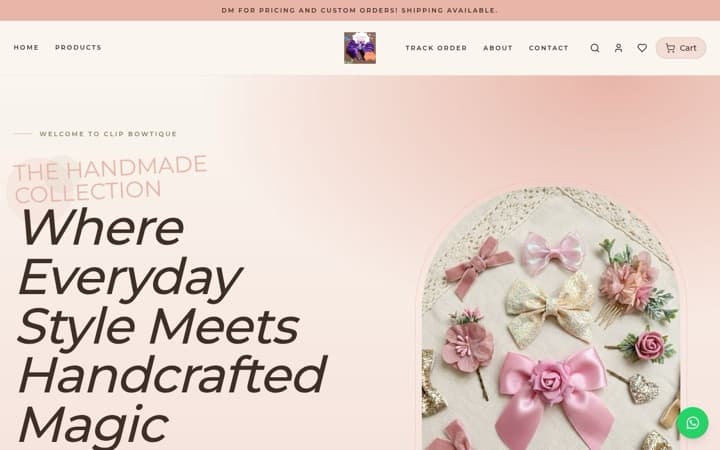
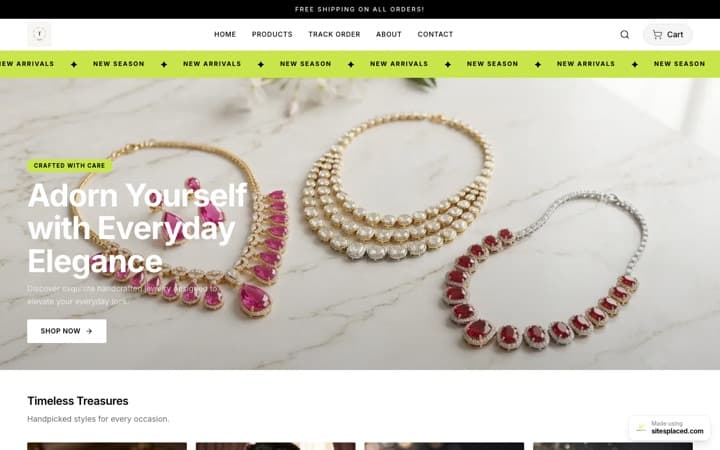
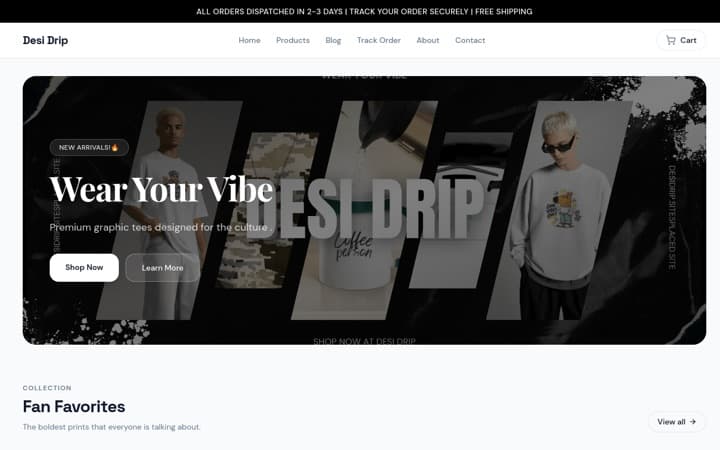
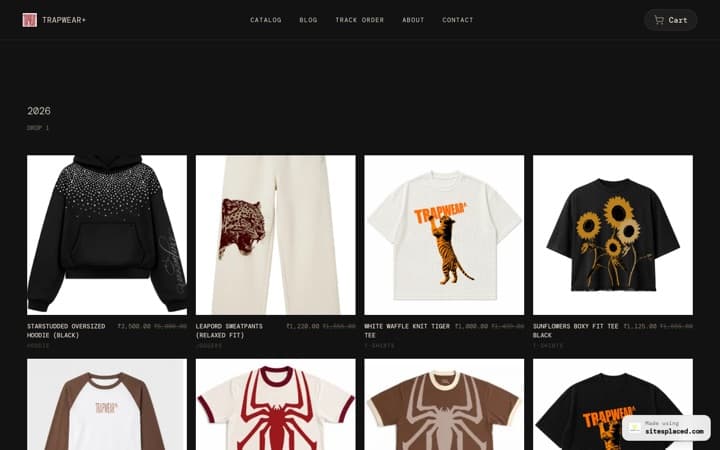
- Pick a template. The Clothing Store is the natural fit for a saree shop: big edge-to-edge photos, a save-% tag on sale sarees, a delivery and COD line under the buy button, and “Price on request” with a WhatsApp button for pieces you’d rather quote. The Premium Store suits higher-priced handloom and designer sarees: warm cream, unhurried and photo-first. It doesn’t have the delivery and COD line or Price on request, so write those details in the description. Boutique website templates in India compares the fashion layouts in more depth. Changing template later means making a new store.
- Add sarees with every photo, the video, the details table above in the description, and stock 1.
- Set checkout: your own Razorpay, PhonePe or Cashfree account for UPI and cards, COD with a charge, and WhatsApp checkout.
- Set delivery: a flat charge and free delivery above an amount; connect Shiprocket or Shipmozo (free) to book couriers.
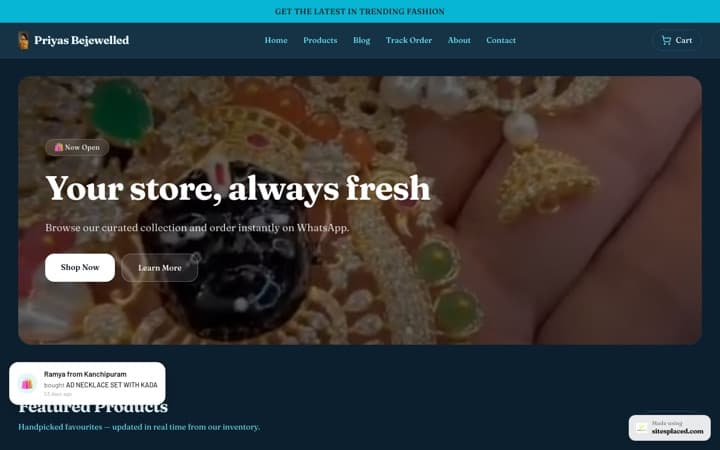
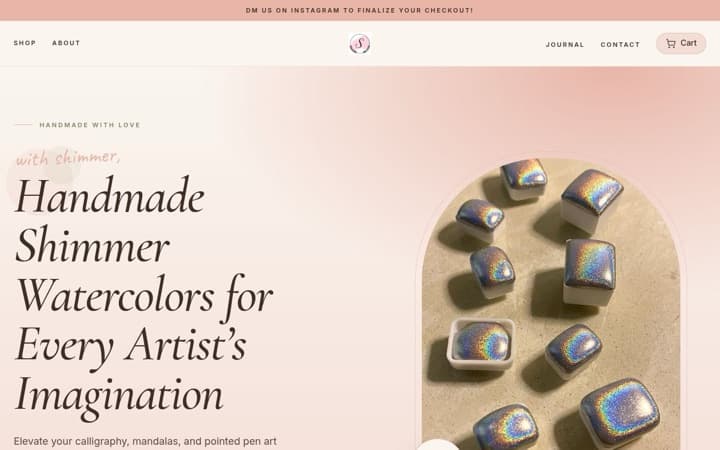
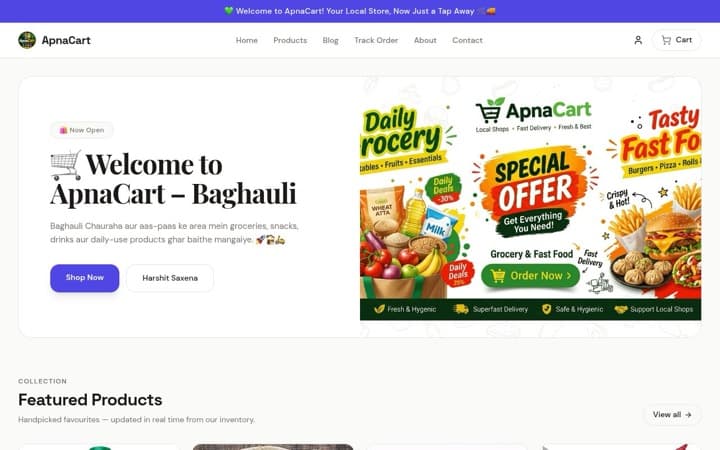
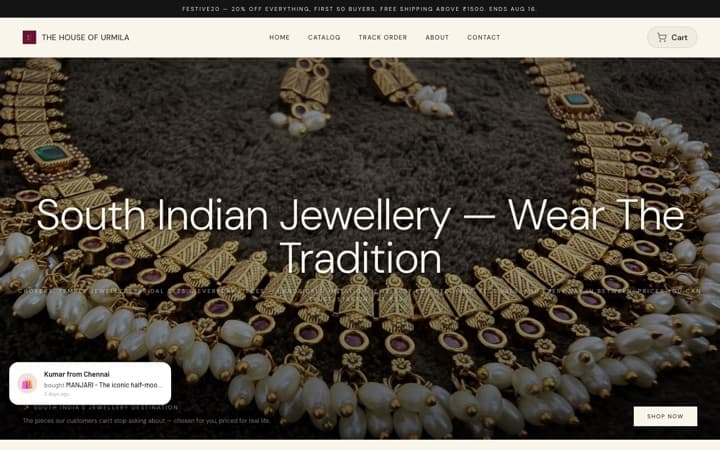
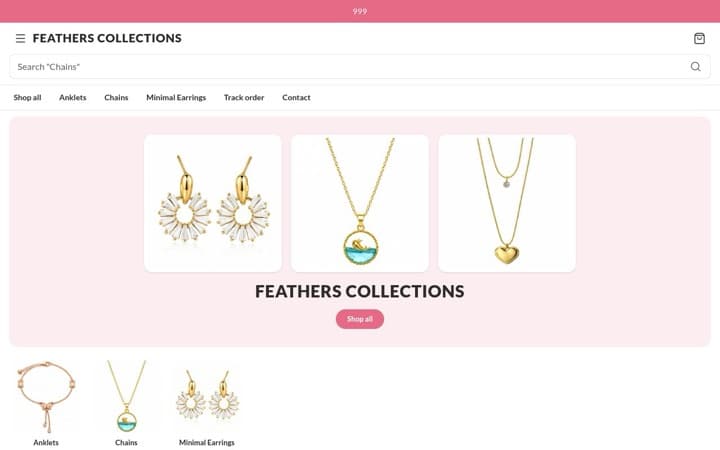
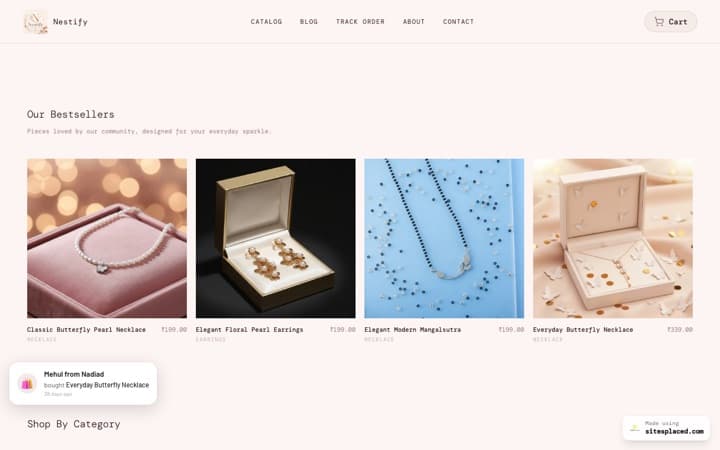
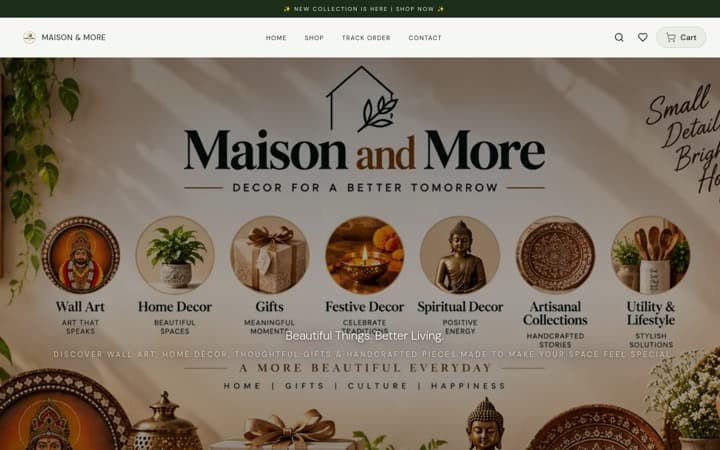
- Publish on yoursarees.sitesplaced.site and replace forwarded photos with links. You can see other fashion sellers’ shops under clothing and fashion stores built on SitesPlaced.
8. When to upgrade
The free plan has no limit on products or orders. When you want a name buyers remember, Starter (₹199/month, or ₹1,990/year) adds your own domain such as yoursarees.com, removes the SitesPlaced badge, adds store analytics, and makes your store’s pages answer about 4× faster than on the free plan. In our measurements on live paid stores on 28 September 2026, a page answered in about 75 ms instead of about 330 ms. “Answer” means how quickly the page starts arriving on the buyer’s phone, before the photos load, not the whole page load, and a saree marked sold out still shows as sold out straight away. Growth (₹499/month) adds product reviews with Google star ratings, the floating WhatsApp chat bubble and 1-click checkouts. The code FREE7 gives 7 days free on either when you set up autopay; cancel before the first charge and you pay nothing.
Frequently asked questions
Should I resell sarees or buy my own stock?
Reselling needs almost no money, but you share the supplier’s photos with other resellers and depend on them to dispatch on time. Own stock needs money upfront but gives you your own photos, control over quality and packing, and a better margin. You can resell while you learn what your buyers like, then buy your own stock of the styles that sell.
How should I photograph sarees for online selling?
Take a full drape on a model or mannequin, the pallu spread out, a close-up of the border, a daylight close-up of the body fabric, the blouse piece, and the saree folded as it will arrive. Add a short video of the fabric moving. Shoot in daylight without filters so the colour is close to real.
What details should a saree listing include?
Fabric (and whether it is a blend), weave or print, zari type if known, measured length and width, blouse piece details, whether fall and pico are done, weight and feel, and care instructions. Only use words like pure silk, handloom, Kanjivaram or Banarasi when they are true.
Should I offer cash on delivery on sarees?
Cash on delivery helps first-time buyers trust you, but a refused parcel costs you delivery both ways. Keep COD, add a small COD charge so paying online looks better, and confirm each COD order on WhatsApp before you ship an expensive saree.
How do I move from a WhatsApp catalogue to a website?
Give every saree its own product page with price, photos, video and a stock of 1, so it shows sold out automatically. Group them into categories like Banarasi or cotton, each with its own link. Then share one store link in your broadcasts and status instead of forwarding photos. If your sarees are already on Instagram, the free SitesPlaced importer can build a first version of the store from your posts.
Can I sell sarees online without GST?
It depends on your yearly sales and on whether you send sarees to other states, where different rules apply. Read our GST guide for small sellers and confirm your case with a chartered accountant before you ship across India regularly.
Stop forwarding photos. Share one link.
A page for every saree, sold-out labels that update themselves, UPI, COD and WhatsApp checkout. Free, at 0% commission.