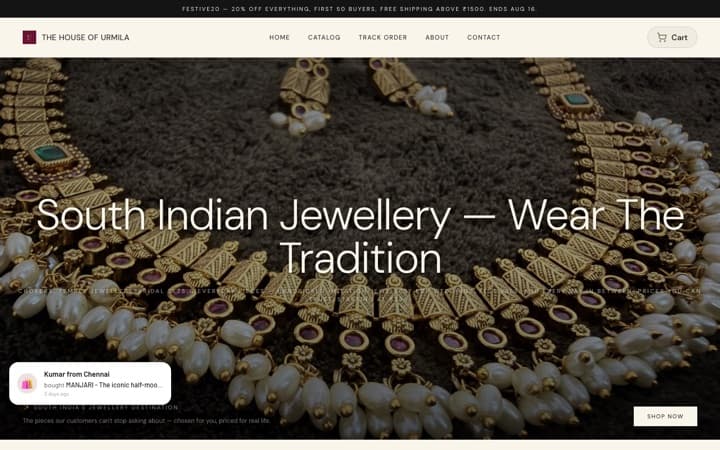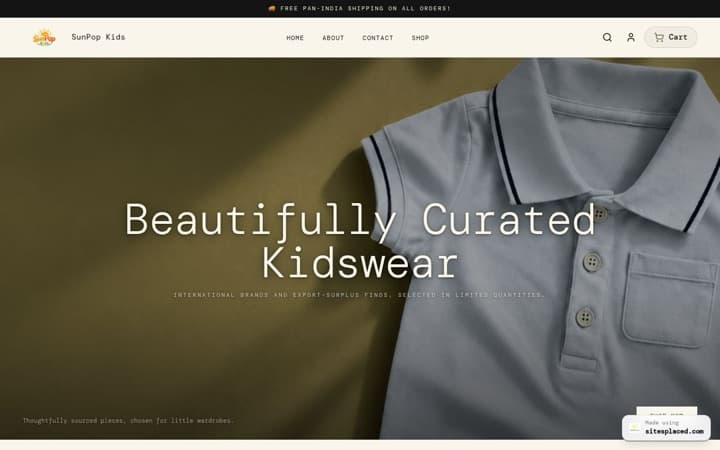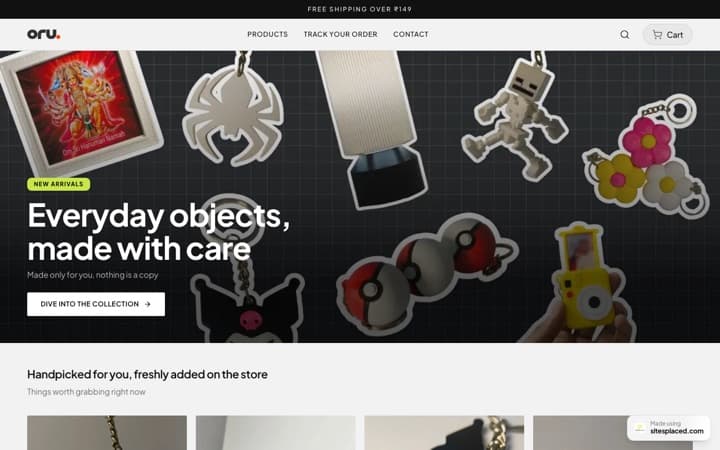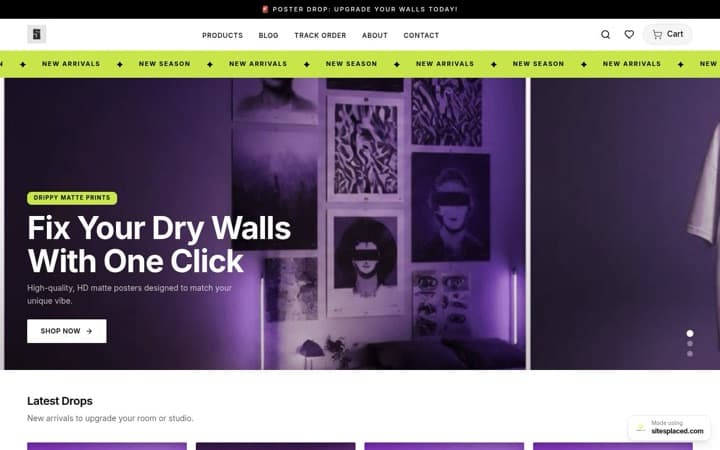

How to write product descriptions that answer the question the buyer actually has.
Most small-store descriptions are one of two things: a single line ("Beautiful cotton kurta") or a wall of adjectives copied from a supplier. Neither answers what a buyer wants to know before paying a stranger — will it fit, what is it made of, when will it come, what if it doesn't work. Here is a formula that does, with examples you can copy the shape of.
The two-paragraph formula
Paragraph one: what it is and who it's for. Two or three sentences in plain words. Name the product the way a buyer would, say what it is good for, and mention the one thing that makes it different. No adjectives that can't be checked ("premium", "elegant") — those are the words buyers have learned to skip.
Paragraph two: the facts. Material, dimensions or sizes, weight if it matters, care, what's in the box, and how it ships. Short lines, not prose. This is the paragraph that stops the "does it come in M?" DM.
Then stop
A third paragraph about your brand story belongs on the About page. On the product page it pushes the price and the Add to cart button below the fold on a phone.
Before and after
| Before | After |
|---|---|
| "Beautiful handmade cotton kurta set. Premium quality. Elegant look for any occasion." | "Mustard cotton kurta with a matching palazzo — the set that works for office and a Sunday lunch. Lightweight mulmul, so it's comfortable in May. — 100% cotton mulmul · Kurta length 44" · Sizes S–XL (fits true to size; see chart) · Machine wash cold · Ships in 1–2 days, delivered in 3–6" |
| "Gold plated earrings. Trendy design." | "Rose-gold hoops, 2.5 cm, light enough to forget you're wearing them. Anti-tarnish plating on brass — skin-safe, no green marks. — Brass with 18k rose-gold plating · 2.5 cm × 4 g per pair · Comes in a gift pouch · Avoid perfume and water for longer shine" |
| "Homemade mango pickle. Tasty and hygienic." | "Raw-mango pickle made in small batches the way it's made in Andhra homes — hot, sour, in cold-pressed sesame oil. — 400 g glass jar · No preservatives; keeps 6 months sealed, refrigerate after opening · Ships in leak-proof packing within 2 days" |
Write in the words buyers search for
Your product name and first sentence should contain the phrase a buyer types into Google or into your store's search: "cotton kurta set", "rose gold hoops", "mango pickle". Not "Aurora", not "KS-014". Give the poetic name as a subtitle if you love it. This isn't a trick; it is the difference between a product page Google can match to a search and one it can't.
The same applies to variants. "Size: M" beats "Size: Medium (38)" only if your buyers think in M — for Indian ethnic wear they often think in inches, so say both.
Answer the DM before it's sent
Look at your last twenty customer conversations. The questions repeat: fit, colour accuracy, delivery time, return policy, is it in stock. Every question asked twice is a missing line in the description. Add it. A store that answers the questions on the page gets orders at midnight without you being awake.
- Fit — "fits true to size" / "runs small, size up" plus a size chart image.
- Colour — "the photo is close; actual shade is slightly deeper" saves a return.
- Delivery — "ships in 1–2 days, delivered in 3–6 working days".
- Returns — one line and a link to the policy page.
- Stock — let the store show it; SitesPlaced shows "Only 3 left" automatically when you track inventory.
Using AI without sounding like it
AI is good at the second paragraph — turning a list of facts into clean lines — and bad at the first, where it reaches for "elevate your wardrobe" and "exquisite craftsmanship". Give it the facts and the customer questions, ask for two paragraphs in plain Indian English with no adjectives it can't verify, then edit the first paragraph in your own voice. On SitesPlaced the AI product copy on the Growth plan writes from your product's own fields; on the free plan, the ChatGPT or Claude connector does the same thing from your chat.
The tell
If a description could be pasted under any product in the category, it isn't describing yours. "Perfect for any occasion" is the sentence to delete first.
Let reviews finish the job
The best description of your product is written by a buyer: "the mulmul is genuinely thin, wore it in Chennai in June". Once product reviews are on, those lines appear under the description and do what your copy can't — they are believed. Turn them on and ask at delivery: how to collect product reviews.
FAQs
How long should a product description be?
Two short paragraphs — about 60–120 words — plus a facts list. Long enough to answer fit, material, delivery and returns; short enough that the price and the Add to cart button stay visible on a phone.
Should I copy the supplier's description?
No. It is on fifty other stores, it is written for retailers not buyers, and Google treats duplicate text as thin. Rewrite it in your words with your own facts and photos.
Do product descriptions help SEO?
Yes, when they use the words buyers search for in the product name and first sentence, and when each product has unique text. Reviews add more of that language over time.
Can AI write my product descriptions?
It can draft the facts paragraph well from your product fields. Write or edit the first paragraph yourself, and delete anything it says that you couldn't verify. On SitesPlaced, AI product copy is on the Growth plan; the ChatGPT/Claude connector works on the free plan.
What about products with many variants?
One product with size and colour options, one description, and a size chart image. Separate products per size confuse buyers and split your reviews.
A product page that answers the DM.
Unlimited products with variants, size charts, stock badges and a WhatsApp button on a store that is free to publish — and product reviews on the Growth plan, free for 7 days with autopay.
Create my free store →