
Instagram Shop vs Etsy — or your own store?
One is a social feed with no real checkout. One is a crowded marketplace that charges per sale. Neither lets you own the customer. Here's how Instagram Shop, Etsy and your own branded store really compare — and which one to build your business on.
The short version: Instagram is great for discovery, Etsy adds reach — but both keep the customer, the data and the brand. Your own store gives you ownership, 0% commission and a page with no rival products beside it. Use the marketplaces for traffic; build your own store as the place sales actually happen.
Three different things, often confused
Instagram Shop is a discovery surface bolted onto a social feed. In India it has no native UPI or Cash on Delivery checkout, so most "orders" are really DMs you have to chase, total up and confirm by hand.
Etsy is a marketplace. It does give buyers a checkout, but you're a stall inside someone else's mall: you pay listing and transaction fees, your product sits beside near-identical rivals, and the buyer is really Etsy's customer, not yours.
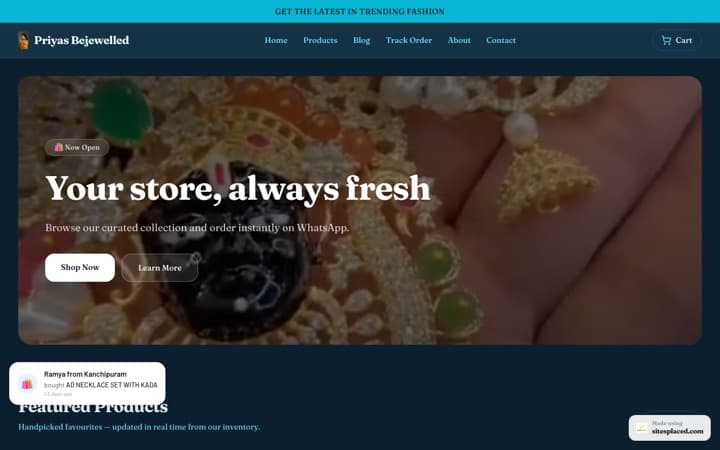
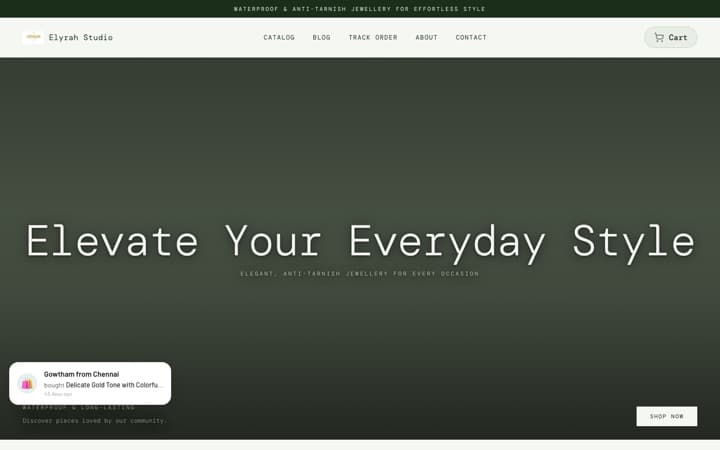
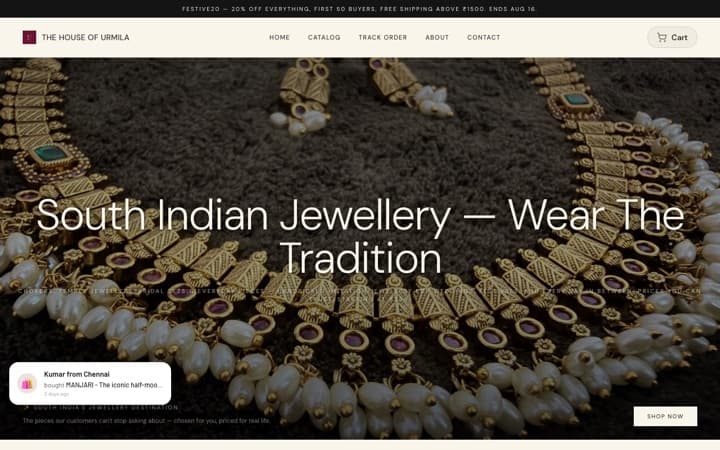
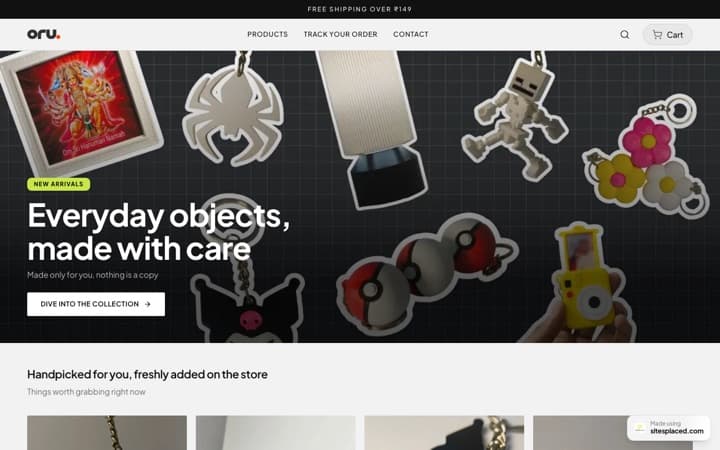
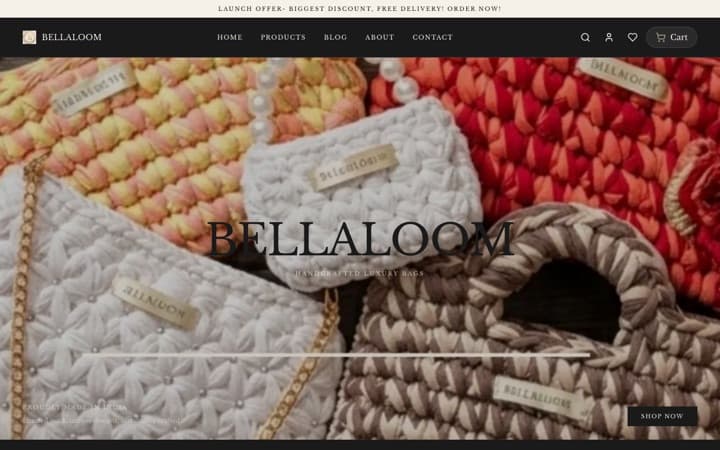
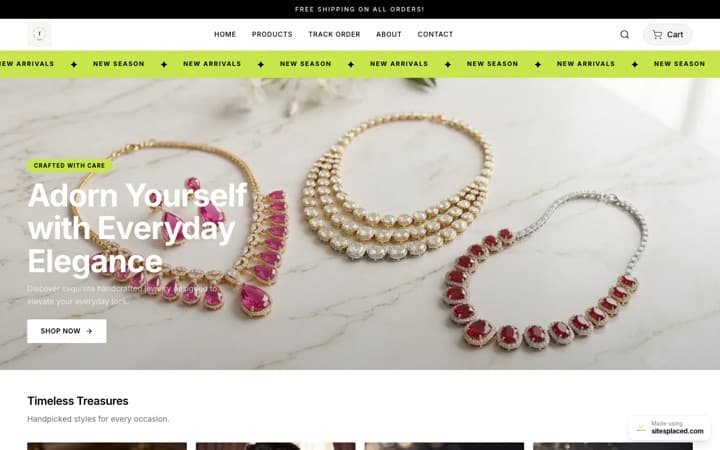
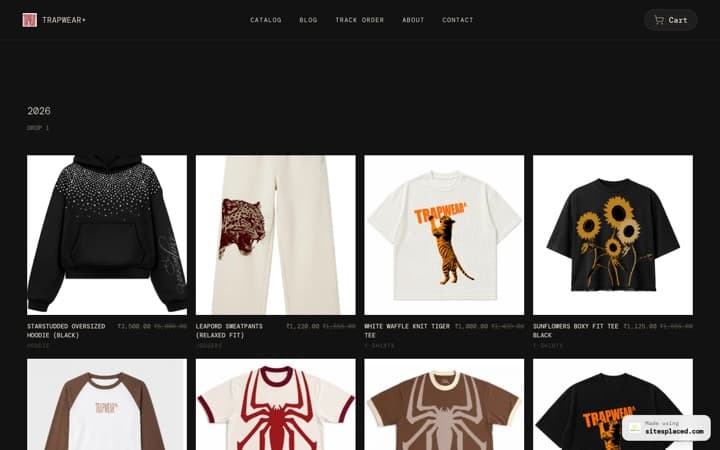
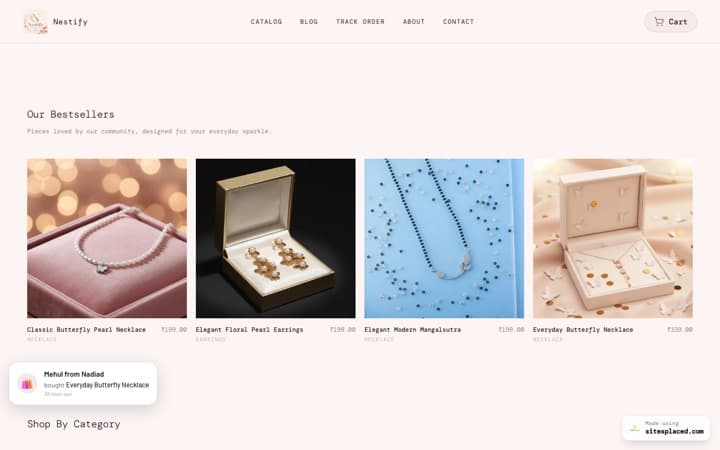
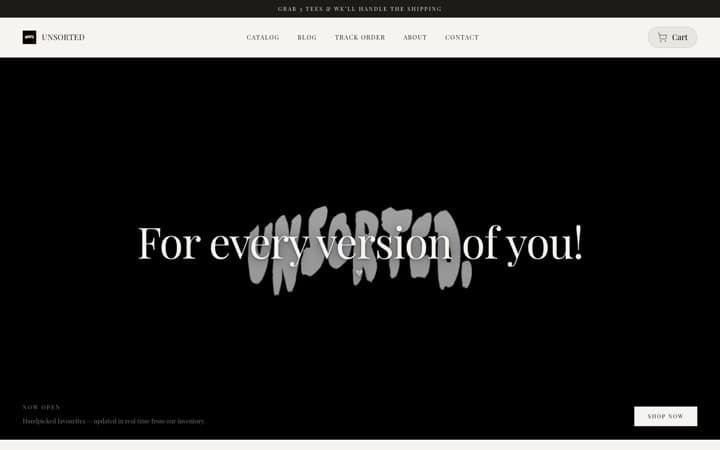
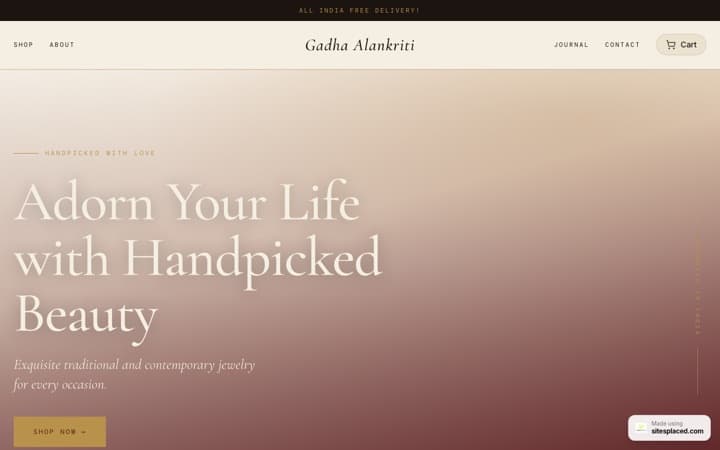
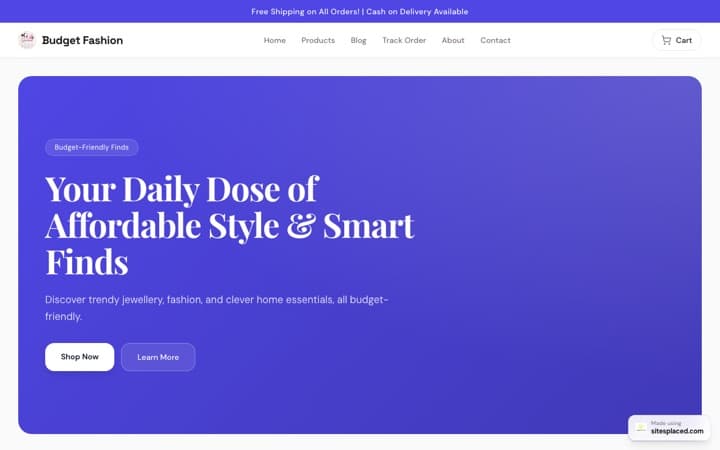
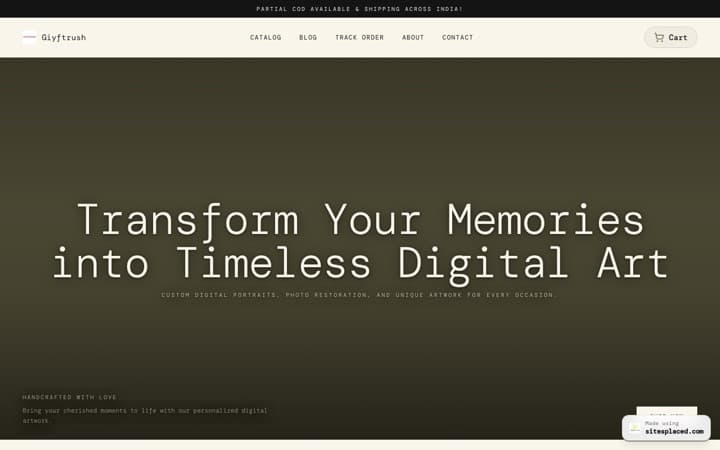
Your own store is the shop you actually own — your domain, your checkout, your customer list. No commission, no competitors on your page, and an asset you keep regardless of what any platform changes.
Side by side
| What matters | Instagram Shop | Etsy | Your own store |
|---|---|---|---|
| Who owns the customer | The platform — no email/phone export | The marketplace — limited buyer data | You — full customer list & order history |
| Real checkout in India | No native UPI/COD checkout | Marketplace checkout, not your own | UPI, COD, Razorpay & WhatsApp built in |
| Commission per sale | Payment/processing cuts apply | Listing + transaction + payment fees | 0% commission — you keep every rupee |
| Your own brand & domain | A profile, not a domain | A shop inside a marketplace | Your branded store on your domain |
| Competition on the page | Algorithm decides who sees you | Listed beside near-identical rivals | Your store — no rival products beside you |
| Google / SEO discovery | Limited; not your domain | Marketplace ranks, not you | Your product pages can rank for you |
| Trust signals | No HTTPS domain, no policies page | Marketplace trust, generic storefront | HTTPS domain, policies, GST invoices |
| Platform-risk | Ban/algorithm = lost reach | Rule/fee changes hit your shop | An asset you control and keep |
The cost of "renting" your shopfront
Marketplace fees feel small per order, but they compound. A listing fee here, a transaction percentage there, a payment-processing cut on top — across a busy month that's a meaningful slice of your margin going to a platform you don't control. And the moment fees rise or rules change, your only choice is to absorb it.
A SitesPlaced store flips the maths: it's free to build and publish, with 0% commission on every sale (₹199/month, Starter, adds a custom domain, branding removal and AI). UPI, Cash on Delivery, Razorpay and native WhatsApp checkout are built in, Shiprocket handles labels and tracking, and GST-ready PDF invoices generate automatically. You keep the customer, the data and every rupee.
The verdict
Don't pick one platform — pick the right job for each. Let Instagram drive discovery and a marketplace add reach if it suits you. But make your own store the destination, because that's the only one of the three you actually own.
For most small and handmade sellers in India, owning the store wins on ownership, fees and trust. With 15 vertical-fit templates and a dedicated person who can even migrate an existing shop, building it is the easy part.
Frequently asked questions
Is Etsy or Instagram better for selling handmade products?
They do different jobs. Instagram is strong for discovery but has no native UPI/COD checkout in India, so orders end up in DMs. Etsy gives you a marketplace checkout but charges listing and transaction fees and surrounds your product with competitors. Neither lets you truly own the customer — which is why many sellers add their own store on top.
What are the downsides of selling on Etsy?
On a marketplace you compete with near-identical listings on the same page, you pay listing and transaction fees on every sale, and you don't really own the buyer relationship. You're also exposed to fee and policy changes you can't control. A store on your own domain removes all three problems.
Why own a store instead of using a marketplace?
Ownership. With your own store you keep the customer list, the order history and the brand, you pay 0% commission, and no competitor sits next to your product. A SitesPlaced store gives you all of that — your checkout, your data — free to build and publish, with ₹199/month (Starter) adding a custom domain, branding removal and AI.
Can I use Instagram, Etsy and my own store together?
Yes, and many sellers do. Use Instagram for discovery and a marketplace for extra reach, but make your own store the place orders actually land. That way you build an asset you own while still tapping every traffic source.
How quickly can I set up my own store?
Fast. SitesPlaced has 15 vertical-fit templates, AI-written product descriptions, and built-in payments and shipping, so most sellers go live in a single sitting. A dedicated setup person can build it with you and even migrate an existing store, usually within a day.
Own your store, keep every rupee
Skip the marketplace cut and the DM chaos. Build a branded store with UPI, COD and WhatsApp checkout — 0% commission. Free to build & publish; ₹199/month (Starter) adds a custom domain, branding removal and AI.