


WhatsApp vs a website for selling online: the answer is both, in a specific order.
Half the sellers we talk to run their whole business inside WhatsApp: a catalogue, a status, a stream of DMs, and a phone full of UPI screenshots. It works — until the day fifteen people order at once. The question isn't whether to abandon WhatsApp; nobody should. It is what a website adds, what it costs, and when the switch pays for itself.
What WhatsApp-only selling is good at
- Zero cost, zero setup. A WhatsApp Business account, a catalogue, a status — done in an hour.
- Trust through conversation. Indian buyers like to ask before paying; a chat with a real person converts hesitant buyers a form never will.
- Upselling in the moment. "Want the matching dupatta?" works in chat.
- Reach. Everyone has it. No app to install, no account to create.
Where it breaks
Every order is manual: confirm the product and size in chat, send a UPI ID, wait for a screenshot, type the address from a voice note into the courier form, send the tracking number by hand, chase the buyer who went quiet. That is fine at three orders a day. At fifteen it is a full-time job, and the errors multiply — a wrong pin code, a payment screenshot from a different order, a size you thought was confirmed.
- No order record. The history is in a thousand chats. Reconciling COD remittances against them is guesswork.
- Payment friction. Screenshots can be faked; buyers must trust you before paying; there is no card option.
- Address quality. Typed addresses in chat are the number-one cause of failed deliveries.
- No proof for strangers. A new visitor sees a phone number, not reviews.
- You are the bottleneck. Nothing sells while you are asleep, cooking, or at a wedding.
What a website adds
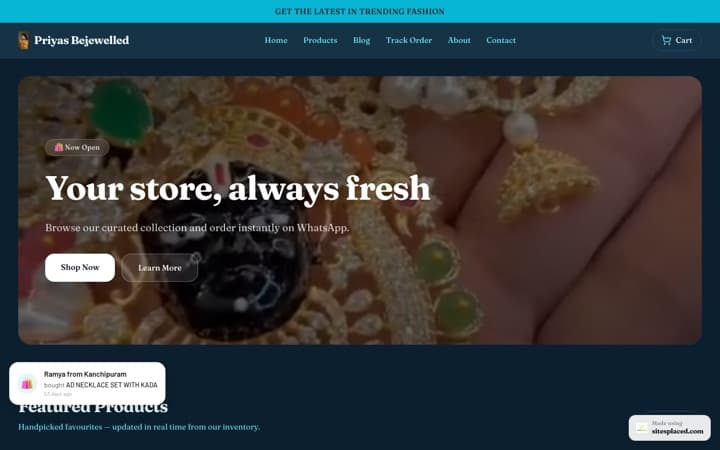
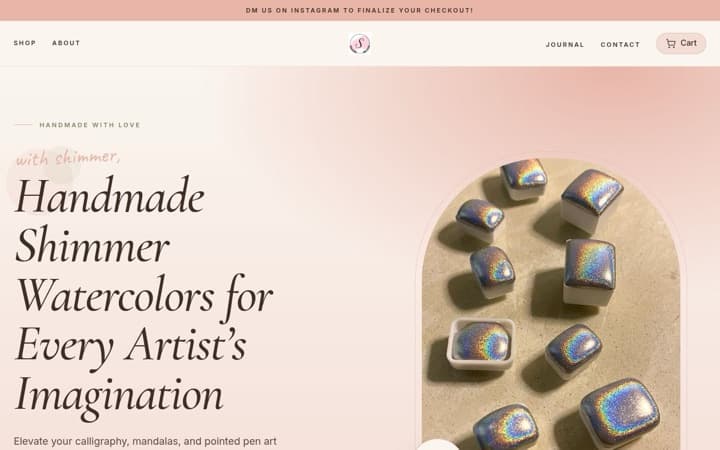
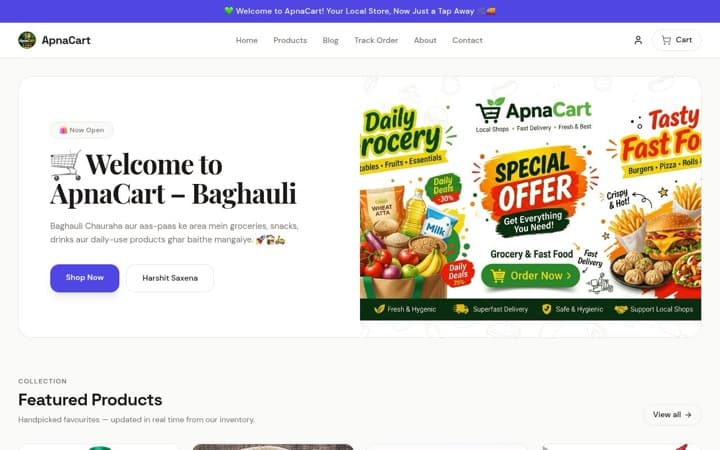
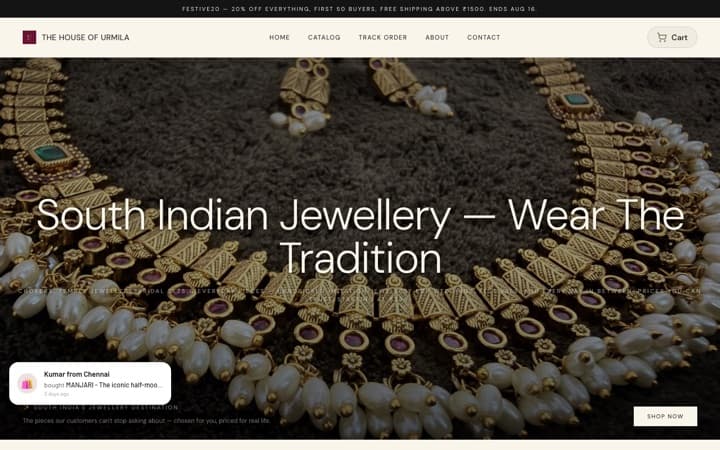
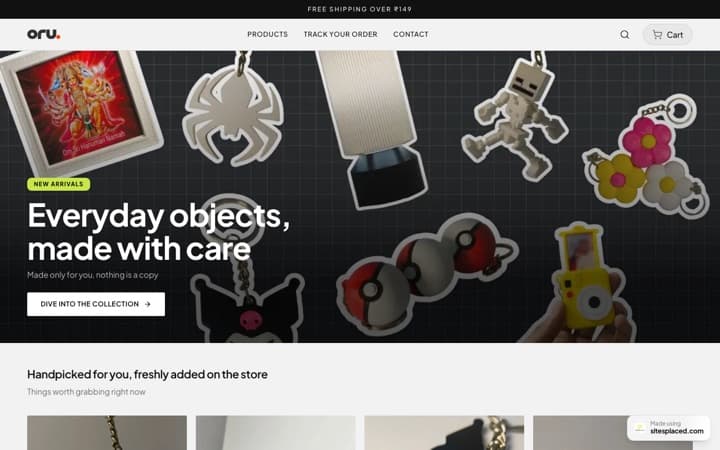
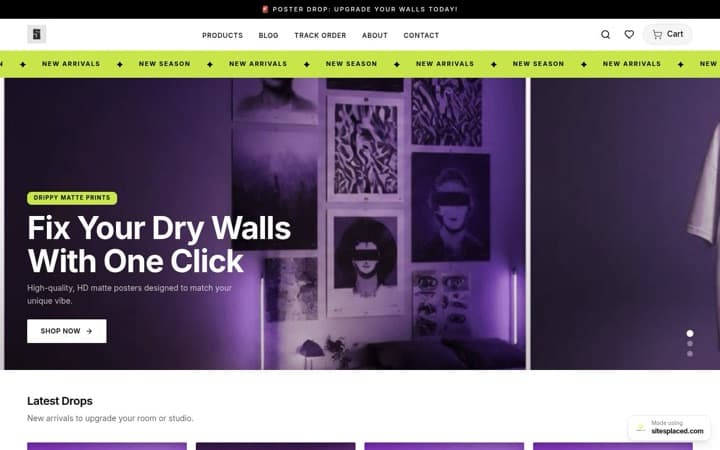
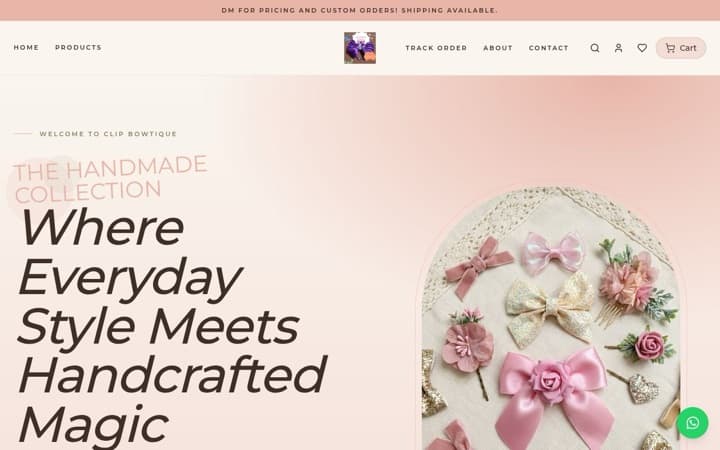
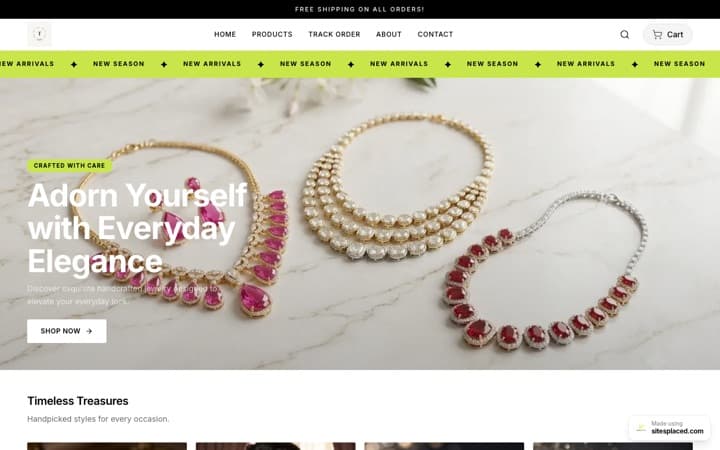
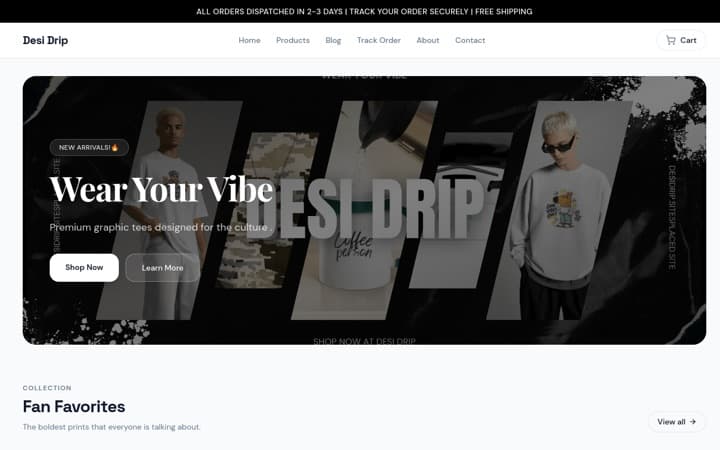
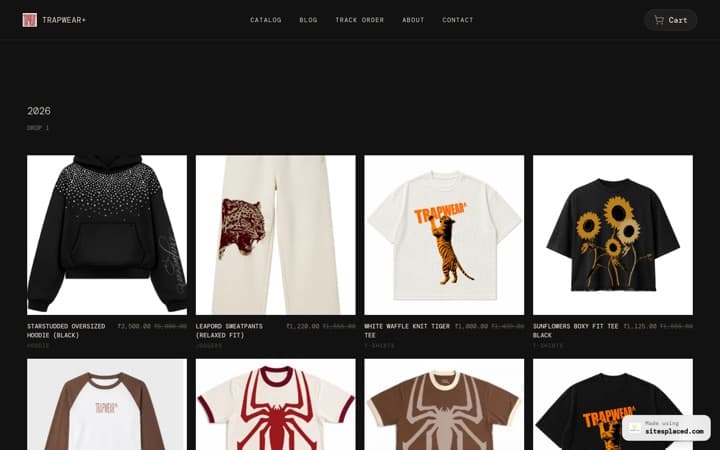
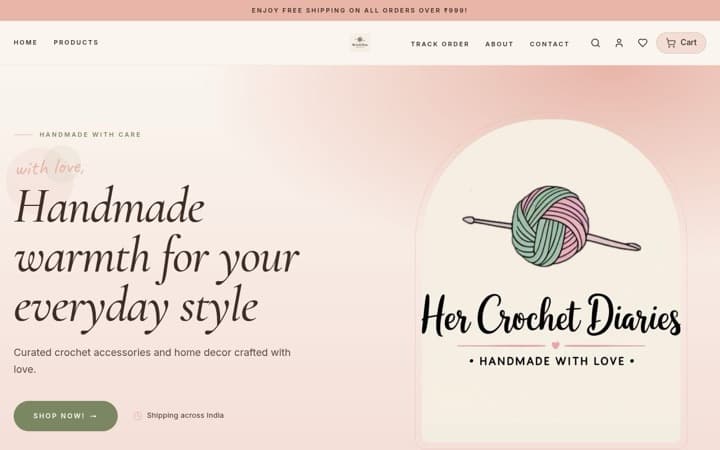
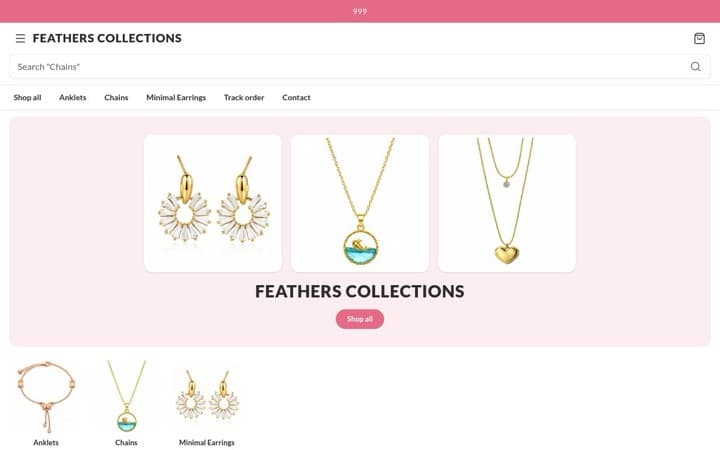
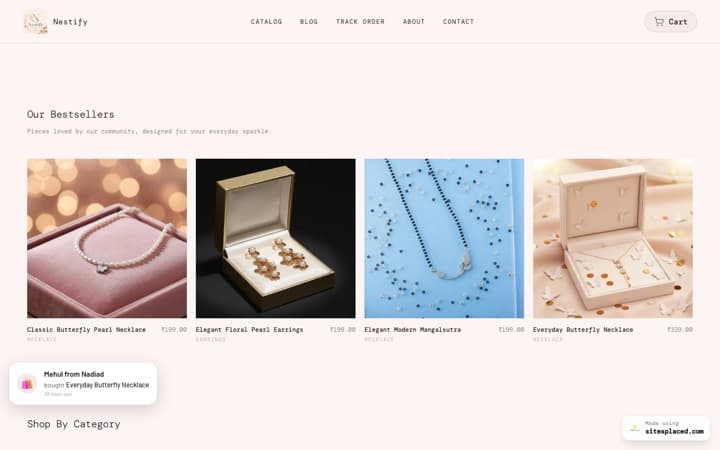
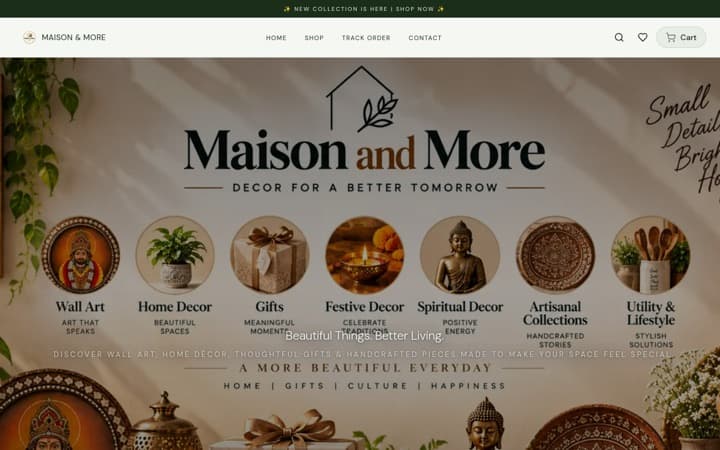
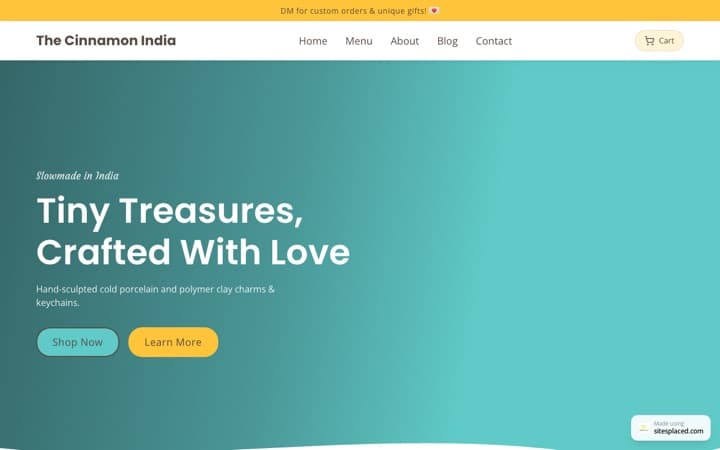
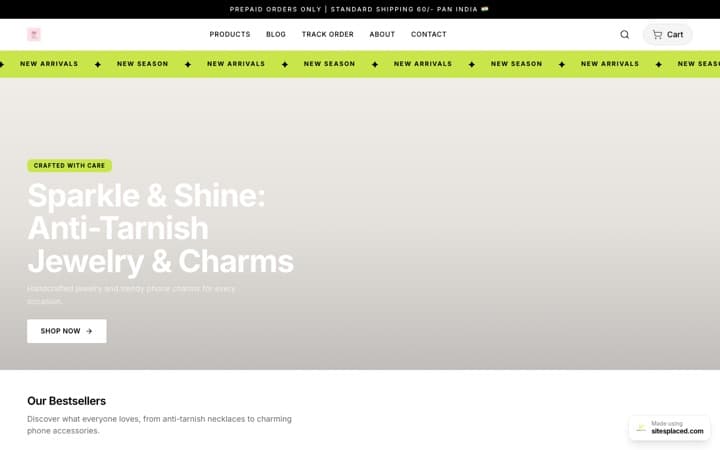
A store page does the paperwork: the buyer picks the size, types their own address into a form that validates the pin code, pays by UPI or card through a gateway (or chooses cash on delivery), and gets an order number and a Track Order page. You get an order in a list with everything attached, a PDF invoice, and a one-click shipment through your courier. Reviews from delivered buyers accumulate under each product. Google can find the pages.
| WhatsApp only | Website (with WhatsApp) | |
|---|---|---|
| Time per order | 10–20 minutes of chat and typing | 2 minutes — pack and click Ship |
| Payments | UPI screenshots | UPI/cards via gateway, COD, or WhatsApp — buyer's choice |
| Addresses | Typed from chat | Buyer-entered, validated |
| Order record | Scattered chats | One list with invoices and tracking |
| Trust for strangers | A number | Reviews, policies, a brand on a domain |
| Sells while you sleep | No | Yes |
| Cost | ₹0 | ₹0 on SitesPlaced; from ₹199/mo (Starter) for your own domain, ₹499/mo (Growth) for the growth tools |
The order that works: website for orders, WhatsApp for conversations
The sellers who do best don't choose. They keep WhatsApp for what it is good at — questions, reassurance, upsells — and move the *transaction* to the store. In practice: every DM that reaches "how do I order?" gets the product page link instead of a UPI ID. The store has a WhatsApp checkout button for buyers who still want to talk, a floating WhatsApp bubble for questions, and (on the Growth plan) order alerts sent from your own WhatsApp Business number through Meta's API so the conversation continues after the order without you typing.
The buyer experience barely changes — they still message you — but the order arrives as an order, the money arrives through a gateway, and the address is right.
When to make the switch
- You are spending more than an hour a day on order admin in chats.
- You have had a delivery fail because of an address typo, or a payment mix-up.
- Strangers (not friends of friends) are starting to find you and asking "is this real?".
- You want to try ads — you cannot track an ad's results into a WhatsApp chat, but you can into a store with a Pixel.
The switch takes an afternoon if your products are already on Instagram or in a WhatsApp catalogue: the importer reads them, you check prices, publish, and change the link in your bio. Your WhatsApp catalogue can stay; point its items at the store pages.
What it costs
On SitesPlaced the store is free: unlimited products, UPI and cards on your own gateway, cash on delivery, WhatsApp checkout, Shiprocket/Shipmozo shipping and invoices, with 0% commission (product reviews and the sales boosters are on the ₹499/month Growth plan, free for 7 days with autopay). Your only new costs are the gateway's per-transaction fee (about 2%) and, when you want it, a domain and the ₹499/month Growth plan for your own brand on the link, analytics, ad tracking and WhatsApp API alerts. You can try those paid features free for 7 days with autopay. Compare it against the hour a day you're spending now.
FAQs
Do I need a website if I sell on WhatsApp?
Not at three orders a day. Once order admin takes an hour a day, addresses go wrong or strangers start asking whether you're real, a store page that takes the order, the payment and the address — while WhatsApp keeps the conversation — pays for itself in time.
Will my customers stop messaging me?
No, and they shouldn't. Keep the WhatsApp button on every product and the floating bubble on the store. The difference is that when they're ready to buy, they tap Buy instead of asking for a UPI ID.
Can customers still pay by UPI?
Yes — through Razorpay, PhonePe or Cashfree at checkout, which is the same UPI without the screenshot. Cash on delivery and 'order on WhatsApp' stay as options.
How much does a website cost for a WhatsApp seller?
₹0 to publish on SitesPlaced with unlimited products and 0% commission; the gateway charges about 2% per online payment. A domain (₹700–1,500 a year) and the ₹199/month Starter plan are optional and come when you want your own brand on the link, analytics and ad tracking.
Can I keep my WhatsApp catalogue?
Yes. Many sellers keep it as a browsing surface and link each item to its store page, so the order still happens on the store.
Keep WhatsApp. Let the store do the paperwork.
Import your catalogue from Instagram or WhatsApp, publish free, and send every 'how do I order?' a link with a Buy button. 0% commission.
Sell on WhatsApp, properly →