


15 Diwali business ideas you can start from home — and sell online before 8 November
The best Diwali business to start from home in October is one you can make or buy in small batches, that survives a courier (or that you deliver yourself), and that people buy as a gift or for their own home. Painted diyas, candles, rangoli kits, torans, gift hampers, dry-fruit boxes, festive jewellery and gift wrapping all fit.
Key takeaway: Diwali is on Sunday 8 November 2026, and Dhanteras on Friday 6 November. Your real deadline is earlier: the last day you can take an order and still deliver before Diwali. So pick an idea you can have ready to photograph by mid-October, start with a small batch, and put it on one simple store link with UPI and cash on delivery. Everything below is sorted so you can choose in an evening.
TL;DR
- • Lowest cost to start: painted diyas, rangoli kits, torans, shagun envelopes, gift wrapping, digital printables.
- • Easiest to ship: torans, cards, rangoli mats, fabric décor, jewellery. Clay and glass need careful packing.
- • Needs paperwork first: anything edible. Apply for FSSAI registration before you sell.
- • Needs the most money: ethnic wear (many sizes) and dry-fruit boxes (costly stock).
- • How to sell: one store link in your Instagram bio and WhatsApp, with prices, UPI and COD. Free to publish on SitesPlaced.
How to pick one: four questions
- Can I have it ready to photograph by mid-October? Buyers need to see it for two or three weeks before your order-by date. An idea that needs a month of setup is next year’s idea.
- Will it survive a courier, or will I deliver it myself? Clay, glass and fresh sweets break or spoil. That is fine if you pack well or sell only in your city, but decide now.
- Does it need a licence? Food does. Most crafts and décor do not. If you are unsure, ask before you spend.
- Can I price it well above my cost? Your price has to cover the item, packing, delivery, the payment fee and any festive offer, and still leave a profit. Work it out with the free product pricing calculator before you buy stock.
The 15 ideas at a glance
| Idea | Make or source | Ships well? | Rough starting budget |
|---|---|---|---|
| Hand-painted diyas | Make (buy plain diyas, paint them) | Yes, with lots of padding | Low |
| Scented and decorative candles | Make | Yes, if they are not in thin glass | Low to medium |
| Gift hampers | Source items, pack them yourself | Yes, in an outer carton | Medium |
| Dry-fruit and sweet boxes | Source and pack | Dry fruits and dry sweets, yes. Milk sweets, local only | Medium to higher |
| Home-baked cookies, chocolates and namkeen | Make | Many do, once you have tested how long they last | Low to medium |
| Rangoli kits | Source and pack | Yes, if the colour pouches are sealed tight | Low |
| Torans and door hangings | Make or source from artisans | Yes, flat and light | Low |
| Ethnic wear | Source from a wholesaler or a small batch from a tailor | Yes | Higher |
| Festive and artificial jewellery | Source | Yes, in a small box | Medium |
| Gift wrapping service | A service, not a product | Local pickup and drop | Low |
| Personalised gifts | Make, or outsource the printing | Yes | Low to medium |
| Home décor | Make with a tailor, or source | Yes | Medium |
| Pooja thalis and pooja sets | Source and decorate | Yes | Low to medium |
| Shagun envelopes and handmade cards | Make | Yes, and cheaply | Low |
| Digital printables | Make (no stock) | Nothing to ship | Lowest (your time) |
Budget bands are our rough estimate for a small first batch, not a quote: Low is under about ₹5,000, Medium about ₹5,000 to ₹25,000, Higher above that. Your costs depend on your city, your supplier and how many you make. Get two or three quotes before you buy.
Each idea: what it needs and how to sell it
1. Hand-painted diyas
What it needs: Plain clay diyas from a local potter or wholesale market, acrylic paints, brushes, a sealer, and packing material. Paint a few samples first and let them dry fully before you stack them.
How to sell it online: Sell in sets of 6 or 12, not one by one. Photograph one set lit at dusk and one in daylight, so buyers see the real colours.
2. Scented and decorative candles
What it needs: Wax, wicks, fragrance oil, jars or moulds, and time for test batches. Burn-test every design so you can print honest burning instructions on the label.
How to sell it online: A small range works best: three fragrances in two sizes. Show the candle lit in a real room, and give the burn time you measured yourself.
3. Gift hampers
What it needs: Items to fill them (your own products or bought ones), boxes, filler and ribbon. The money goes into stock before you have sold anything, so start with a few of each size.
How to sell it online: Three fixed hampers at three prices, plus a page where buyers build their own.
4. Dry-fruit and sweet boxes
What it needs: FSSAI registration (it takes time to come through, so apply first), a reliable supplier, food-safe boxes and sealing. Dry fruits cost a lot per box, which is why the budget is higher.
How to sell it online: Offer box sizes as options on one product, and keep fresh mithai to your own city.
5. Home-baked cookies, chocolates and namkeen
What it needs: Your kitchen, FSSAI registration, airtight packs, labels, and a few days to test how long each item stays fresh before you print a best-before date.
How to sell it online: Festive assortment boxes in two sizes. Take orders a few days ahead so you bake to order.
6. Rangoli kits
What it needs: Rangoli colours in small sealed pouches, stencils, a simple guide card, and a box. Reusable rangoli mats (acrylic or kundan pieces) are another option that never spills.
How to sell it online: A reel of someone making the rangoli from the kit sells it better than any photo.
7. Torans and door hangings
What it needs: Fabric, beads, artificial marigolds, bells and thread, or a few pieces from a local artisan. Measure every design.
How to sell it online: Photograph each one on a real door and give the length in centimetres. Buyers want to know it fits.
8. Ethnic wear
What it needs: Stock in several sizes, a size chart, and a clear exchange rule. Sizes are what make clothing expensive to start: one design needs four or five sizes on the shelf.
How to sell it online: Show the fabric close up and on a person. Answer sizing before the buyer has to ask.
9. Festive and artificial jewellery
What it needs: Wholesale stock, gift pouches or boxes, and honest descriptions of the base metal and plating.
How to sell it online: Gift sets under a round price do well for Dhanteras and Diwali gifting.
10. Gift wrapping service
What it needs: Wrapping paper, boxes, ribbon, tape, tags, and a clean table. You can also offer it to other small sellers near you who are too busy to wrap.
How to sell it online: List “Gift wrapping, per box” as a product with a clear price and let people pay online, then drop off or have you pick up.
11. Personalised gifts
What it needs: Names painted on diyas, printed photo frames and mugs, or engraved keepsakes. If a printer does the printing, agree their Diwali cut-off first, because every piece is made to order.
How to sell it online: Let the buyer type the name or upload the photo while ordering, so nothing gets lost in DMs.
12. Home décor
What it needs: Cushion covers, table runners, lanterns or décor trays in festive colours. Fabric pieces are light and do not break, which makes shipping easy.
How to sell it online: Style one corner of a room and photograph everything there, so buyers see how pieces go together.
13. Pooja thalis and pooja sets
What it needs: Steel or brass plates, decoration materials, and the small items that make a set (diya, kumkum holder, bell). Write exactly what is in each set.
How to sell it online: A photo of the full set laid out with every item named in the description.
14. Shagun envelopes and handmade cards
What it needs: Card stock, printing or hand-lettering, and embellishments. They weigh almost nothing, so delivery costs stay low.
How to sell it online: Sets of 10 or 25. They keep selling into the wedding season that follows Diwali.
15. Digital printables
What it needs: Design skills and a tool like Canva. Ideas: rangoli design sheets, a Diwali party planner, greeting card or invitation templates.
How to sell it online: The buyer pays and downloads straight away, so there is no delivery deadline at all.
A five-week plan if you start now
- By 4 October: pick one idea, not three. Buy samples, make a few, and work out your price.
- By 11 October: make or buy your first real batch, photograph it in daylight, and put it on your store. Ask your courier for their last date for delivery before Diwali.
- 11 to 25 October: sell. Post on Instagram, message people who asked to hear from you, and restock what moves. Publish your order-by date.
- The last days before your order-by date: one reminder, then pack and ship every day.
- After your order-by date: sell only what you can deliver locally, switch to things that are still useful after Diwali, or pause ordering.
The full week-by-week list for the store side is in the Diwali 2026 checklist for online stores. If you have never sold from home before, start with how to start a small business from home in India.
Putting it online, free
Selling only through Instagram DMs works for the first few orders. After that, every order is a long chat: price, delivery, UPI screenshot, address, repeat. A small store puts all of that on one link. The buyer sees the price, picks a size, pays by UPI or chooses cash on delivery (COD, where they pay the delivery person in cash), and the order lands in your dashboard.
On SitesPlaced, the free plan publishes a real store at an address like yourname.sitesplaced.site, with 0% commission, unlimited products, UPI and cards through your own Razorpay, PhonePe or Cashfree account, COD, WhatsApp checkout (the cart arrives on your WhatsApp as an order), coupons and invoices. A few things that suit Diwali sellers, all free:
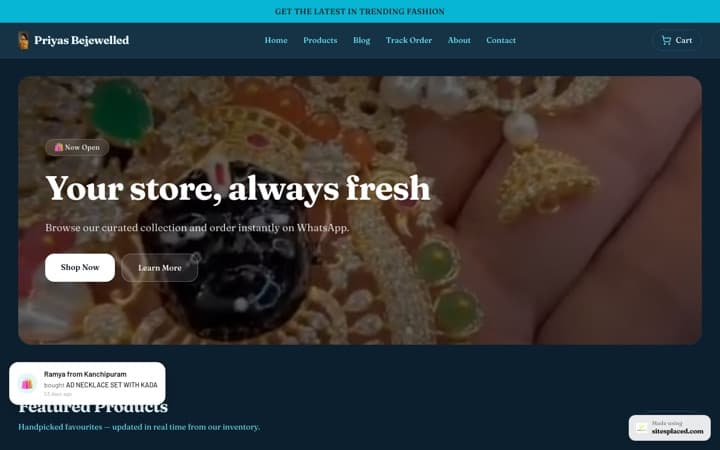
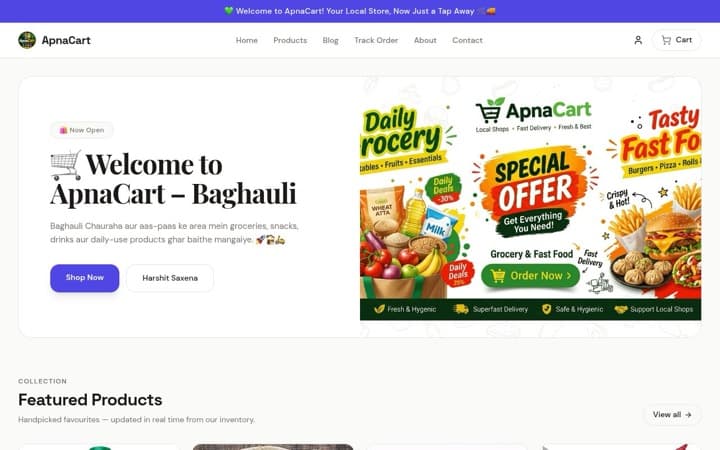
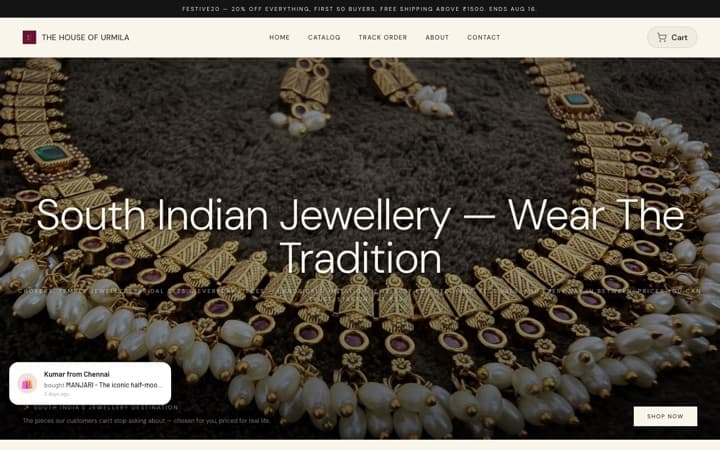
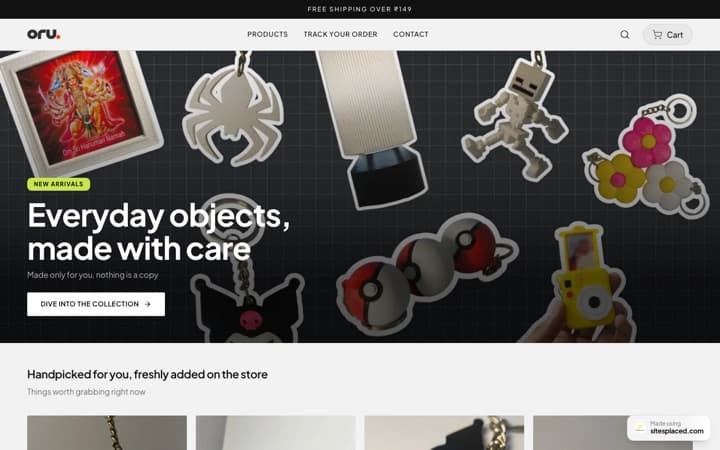
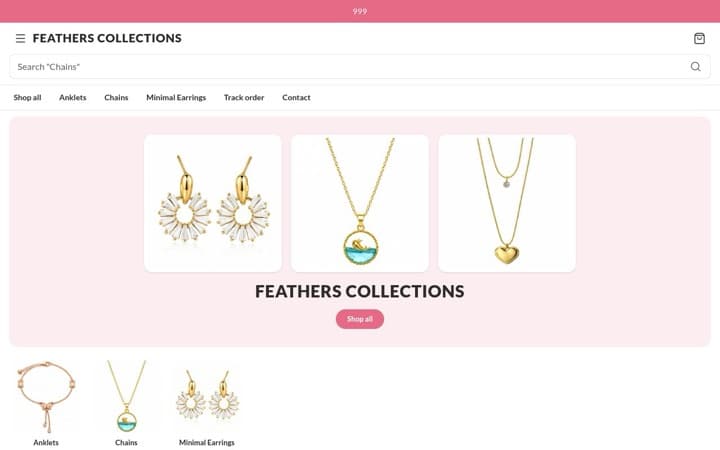
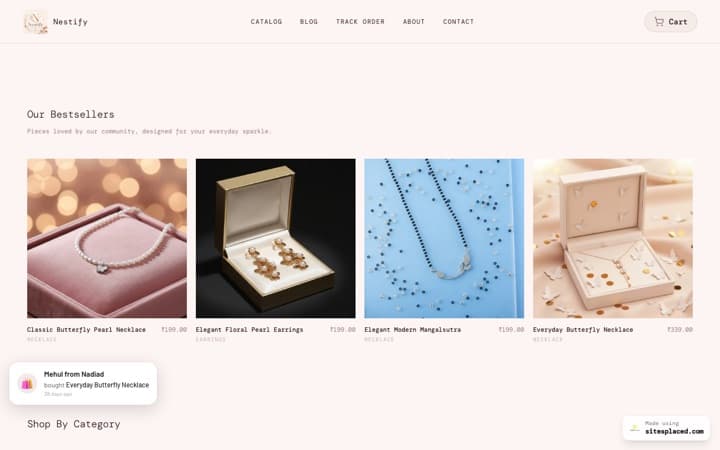
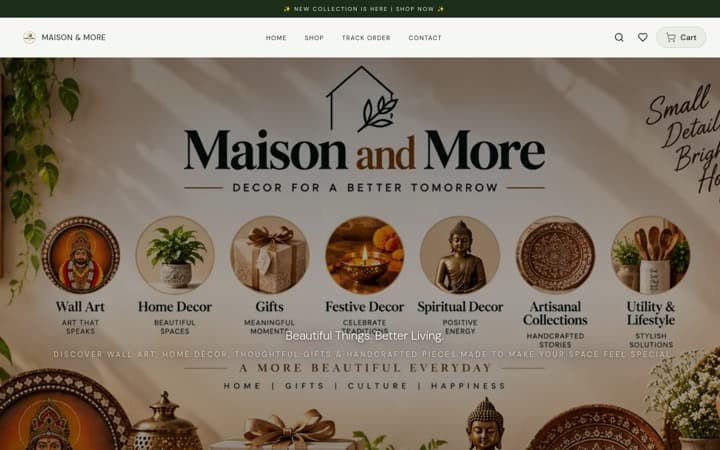
- • Templates by what you sell. The Home & Decor Store for diyas, torans and décor, the Gifts & Lifestyle Store for hampers and personalised gifts, the Food Store for sweets and snacks, and the Jewellery Store for jewellery. All 16 are free.
- • A build-your-own-hamper page, switched on under Settings → Sales boosters.
- • Personalisation. Buyers can upload a photo or type a name or gift message in the cart, and you can offer paid extras such as gift wrapping.
- • One digital download on the free plan, for printables. Unlimited downloads come with Growth at ₹499/month.
If you plan to promote hard in October, Starter (₹199/month) adds your own domain, removes the small SitesPlaced badge, and keeps your store’s pages ready close to shoppers, so they answer about 4× faster than on the free plan (about 75 ms instead of about 330 ms in our 28 September 2026 measurements; “answer” is the moment the page starts arriving, before photos load). Code FREE7 gives 7 days free when you set up autopay; cancel before the first charge and you pay nothing.
Frequently asked questions
What is the best Diwali business to start from home?
The best one is the one you can have ready to photograph by mid-October, that survives a courier or can be delivered locally, and that people buy as gifts. For most people starting in October that means painted diyas, candles, rangoli kits, torans, gift hampers or gift wrapping. Food boxes are popular too, but need FSSAI registration first.
How much money do I need to start a Diwali business from home?
It depends on the idea. By our rough estimate for a small first batch, painted diyas, rangoli kits, torans, cards and gift wrapping can start under about ₹5,000; candles, hampers, jewellery and home décor sit around ₹5,000 to ₹25,000; ethnic wear and dry-fruit boxes usually need more, because of sizes and the cost of stock. Get quotes from your own suppliers, because prices vary by city and batch size.
Is it too late to start a Diwali business in October?
No, if you pick something simple. Diwali is on Sunday 8 November 2026. If you have samples by the first week of October and photographs by mid-October, you have two to three weeks of selling before your delivery cut-off. Avoid ideas that need long lead times, like large custom orders or a food licence you have not applied for.
Do I need a licence or GST to sell Diwali products from home?
Anyone who makes or sells food is generally expected to register with FSSAI; apply on the official FoSCoS portal and confirm what applies to you. Whether you need GST depends on things like your turnover and whether you sell to other states, so ask a CA. Udyam registration is optional but free.
Can I sell Diwali products online without a website?
Yes, through Instagram and WhatsApp alone, but every order becomes a long chat about price, delivery and payment. A simple store gives buyers one link with prices, photos, UPI and cash on delivery. On SitesPlaced you can publish one free, with 0% commission.
What should I do with leftover Diwali stock?
Sort it into what can wait a year (diyas, torans, rangoli mats, cards) and what cannot (food). Store the first kind carefully, and clear the second quickly. Some products, like jewellery, shagun envelopes and ethnic wear, carry straight into the wedding season.
Start your Diwali store today, free
Pick a template for what you sell, add your first batch, and share one link with UPI, cash on delivery and WhatsApp checkout. 0% commission, always.