


What sells in wedding season online in India — 10 things a small seller can actually sell
The Indian wedding season runs roughly from November to February, with a second run in April to June. Every wedding in it needs the same things bought in a hurry: gifts for guests, jewellery and outfits for the family, favours for the mehendi, boxes of sweets, décor for the home functions. Here are ten of them that a one-person seller can sell online, with who buys each one, when they order, where the margin sits and what can go wrong.
Key takeaway: wedding-season buyers are three different people. The couple’s family buys in bulk, early, and cares about the date. Guests buy one piece, late, and care about size and photos. Friends buy a personalised gift in the last few days and care about the spelling. Pick one product, decide which of the three you are selling to, and build your prices, lead time and store around that buyer.
TL;DR
- • Bulk and early: return gifts, mehendi and haldi favours, sweets boxes, trousseau packing. Sold to the family, weeks ahead, by conversation plus an advance.
- • One piece, late: guest outfits, dupattas, footwear, bags, imitation jewellery, groom accessories. Sold to guests from a product page, in the last two weeks.
- • Personal and last-minute: personalised gifts for the couple and décor pieces. Spelling, dates and fragile packing are the whole job.
- • Margin lives in the work, not the item: packing, assembly, personalising, curating. Price your hours.
- • Never state a wedding date you were not given. Auspicious dates vary by community and year; ask the family.
- • A free SitesPlaced store handles all ten: products, options, personalisation, UPI, COD, WhatsApp, coupons, 0% commission.
First, how the season actually works
A wedding is not one day. It is a run of functions, usually a haldi, a mehendi, a sangeet, the wedding itself and a reception, spread over several days and sometimes two cities. Each function has its own outfit, its own favour and its own décor. That is why the same family buys so many different things, and why they buy in a particular order: the big, bulk items first, because they take time to make, and the personal items last, because they only need to be in a bag on the day.
Two things follow from this for a seller. First, your lead time is your most important product detail. A family ordering 300 favours needs to know you can deliver by their date before they look at the design. Second, you can’t guess the dates. Muhurat dates differ by community, region and year, and the family already has theirs. Ask, write it down, and work backwards.
One more note: this post is for sellers. If you are the couple and you want an invitation website with RSVPs, that is a different thing, covered on our celebrations page.
The ten, at a glance
| What | Who buys | When they order | Margin and risk |
|---|---|---|---|
| Return gifts and favours | The couple’s parents, 50 to 500 at a time | Weeks before the first function | Margin is in packing and assembly; a late delivery cannot be fixed |
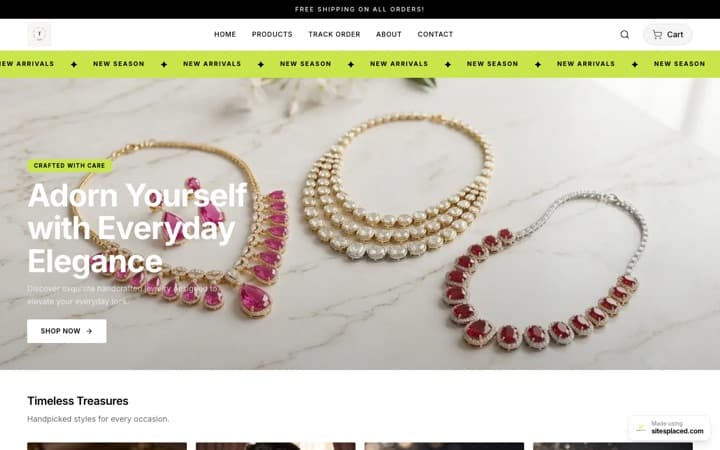
| Imitation and bridal jewellery | The bride, her mother and sisters; guests | Bride months ahead; guests in the last two weeks | Good margin per piece; breakage, returns and purity claims |
| Guest outfits and dupattas | Guests, often several from one family | Two to three weeks before the date | Sizes, stitching deadlines and exchanges |
| Mehendi and haldi favours | The bride’s side, for the smaller functions | Two to four weeks ahead | Small items in bulk; theme colours must match |
| Décor pieces | Families decorating their own home functions | The week of the function | Fragile and bulky to ship; local delivery wins |
| Trousseau packing | The bride’s family | Starts early, finishes the week before | Paid for your hours; hard to do at a distance |
| Personalised gifts for the couple | Friends, cousins, colleagues | Days before the wedding | Spelling mistakes mean a remake you pay for |
| Sweets and dry-fruit boxes | Both families, for guests and for each other | Must arrive fresh, so the last few days | Food rules, shelf life and heat in transit |
| Footwear and bags | Guests and the bride, bought with the outfit | With the outfit, two weeks out | Sizes and returns, like clothing |
| Groom accessories | The groom, his brothers and friends | The last two weeks | Fewer sellers compete; small stock covers most orders |
1. Return gifts and favours
Who buys: the couple’s parents, or whoever is running the wedding, in lots of 50 to 500. When: weeks before the first function, because the gifts have to be made, packed, labelled and delivered to one address in time. Margin: the item itself is often cheap; the money is in choosing it, packing it well and delivering the whole lot on one date. Risk: the date. A return gift that arrives the day after the wedding is worth nothing, and the buyer will not forget. Take an advance, confirm the date in writing and buy your materials only after both. We go deep on quantities, pricing and bulk orders in how to sell wedding return gifts online.
2. Imitation and bridal jewellery
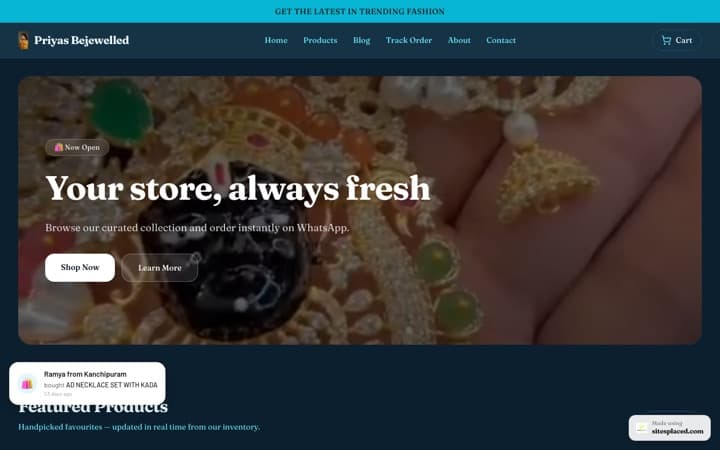
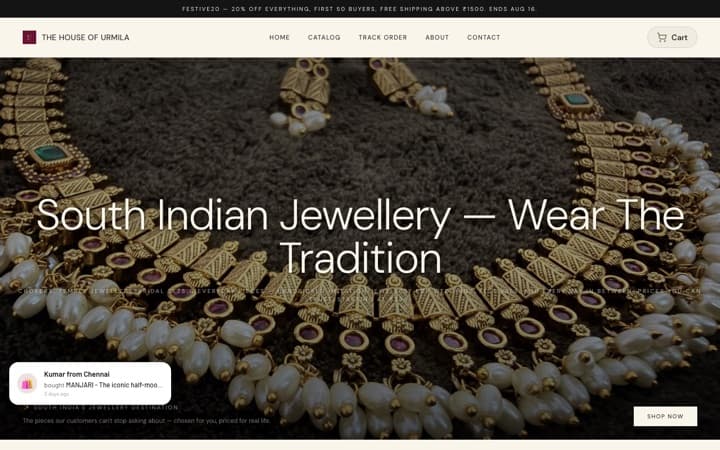
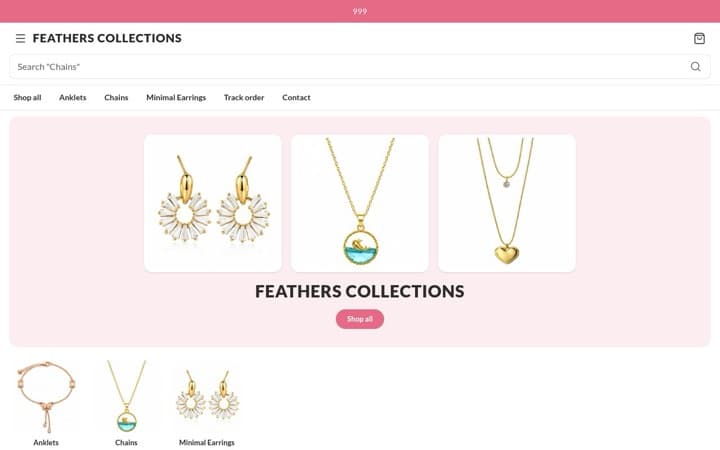
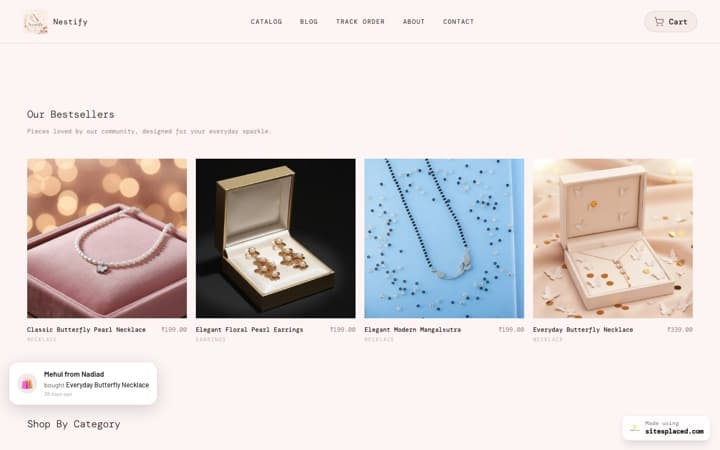
Who buys: the bride and her mother for the main sets, months ahead; sisters, cousins and guests for one piece each, in the last two weeks. Margin: good per piece, which is why so many people sell it; you win on photographs on a person, honest descriptions of the metal and the stones, and trust. Risk: breakage in the post, returns from buyers who expected a heavier piece, and purity words. Never write “hallmarked”, “22K”, “916” or “925” unless it is true and you can show it; hallmarking of gold is governed by the Bureau of Indian Standards (bis.gov.in). Imitation jewellery is sold on design and finish, not on purity, so describe it as what it is: gold-plated brass, kundan, polki-style, and so on. The full guide is how to sell bridal jewellery online, and how to start an online jewellery business covers the set-up.
3. Guest outfits and dupattas
Who buys: guests, and often three or four from one family who want to match or at least not clash. When: two to three weeks before the date, later than you would like, because the invitation arrived late. Margin: fair on ready-to-wear, better on sets (kurta plus dupatta, lehenga plus blouse fabric). Risk: sizes. Every exchange is two courier trips in the busiest weeks of the year, so publish a size chart on every product, name a last date for stitching and alterations, and say who pays for an exchange before anyone orders. A dupatta is the safest clothing product there is: no size, light to post, easy to photograph. More in how to sell ethnic wear for wedding season online, and for sarees in particular, how to sell sarees online in India.
4. Mehendi and haldi favours
Who buys: the bride’s side, for the mehendi and haldi, which are smaller functions with their own colour theme: greens and yellows, marigolds, floral prints. Think bangles, mehendi cones in printed sleeves, small potli bags, mini candles, printed fans, sunglasses for the haldi. When: two to four weeks ahead, in lots of 30 to 150. Margin: each item is small, so the margin is in the set, the packing and the theme. Risk: the colour must match the theme the family already chose, so send a photo of the actual item against a white background and get a yes in writing. These are the easiest wedding favours to start with, because the quantities are smaller and the items are light. See how to sell wedding décor and mehendi favours online.
5. Décor pieces
Who buys: families decorating their own haldi or mehendi at home, and small decorators who need a few pieces fast: welcome boards, name signs, backdrop panels, hanging décor, photo props, floral rings, trays for the haldi. When: the week of the function. Margin: good on anything handmade or personalised with the couple’s names; thin on items anyone can buy in a market. Risk: fragile and bulky parcels cost a lot to ship and break anyway, so this product suits local delivery and pickup first, and courier second. On a SitesPlaced store you can add a checkbox at checkout that removes the delivery charge for local pickup, and set a higher delivery fee on a single bulky product. More in the décor and favours guide linked above.
6. Trousseau packing
Who buys: the bride’s family, who have bought the sarees, the jewellery boxes and the gifts for the groom’s side and now want them presented beautifully: trays, wraps, tags, matching boxes. When: it starts early and finishes in the final week. Margin: you are paid for your hours and your eye, plus the materials; price per tray or per item, and keep the materials list separate so nobody argues about the price of ribbon. Risk: it is hands-on work, usually at the family’s home or yours, so it does not travel beyond your city; sell it online as a service with a starting price, a photo gallery and a WhatsApp conversation. We cover it as a home business in wedding-season business ideas from home.
7. Personalised gifts for the couple
Who buys: friends, cousins and colleagues who want something with the couple’s names and the wedding date: a frame, a nameplate, caricatures, a hamper with a printed card, a photo book. When: days before the wedding, which means your turnaround time is the product. Margin: good, because nobody compares the price of a one-off. Risk: a spelling mistake in a name or a wrong date means a remake at your cost. On your product page, ask for the names and the date in a text field with a clear label, such as “Names and wedding date exactly as they should appear”, and repeat them back on WhatsApp before you make anything. On SitesPlaced that field is under Personalisation & extras on the product, along with an optional photo upload and paid extras like gift wrapping. For hamper-style gifts, the mechanics in how to sell gift hampers online carry straight over.
8. Sweets and dry-fruit boxes
Who buys: both families, in bulk, for the guests and for each other; the box that goes with the invitation is a tradition in many communities. When: it must arrive fresh, so the last few days, which is also when every courier is busiest. Margin: dry fruits travel well and keep, so they carry the margin; fresh sweets are better sold within your own city. Risk: food rules and heat. If you make, pack or repack food, you generally need FSSAI registration, applied for on FSSAI’s FoSCoS portal (foscos.fssai.gov.in); confirm what applies to you before you take an order. Pack dry fruits in sealed pouches inside the gift box, and never promise a delivery date you have not checked with the courier. Start with how to sell homemade food online in India.
9. Footwear and bags
Who buys: guests and the bride, usually right after the outfit is sorted: juttis, embellished heels, potli bags, clutches. When: with the outfit, about two weeks out. Margin: similar to clothing; better on handmade juttis and embroidered potlis than on factory pieces anyone can find. Risk: footwear has sizes, and sizes mean returns. Potli bags and clutches do not, which makes them a gentler first product. If you do sell footwear, publish a size chart with the inner sole length in centimetres, and ask buyers between sizes to message you first. The Footwear Store template is built around sizes on the card.
10. Groom accessories
Who buys: the groom, his brothers and the friends who are dressing alike: safas and turbans, brooches, kalgis, mojaris, pocket squares, stoles, matching sets for the baraat. When: the last two weeks. Margin: good, and fewer small sellers compete here than in bridal, so a tight, well-photographed range stands out. Risk: low, because most pieces are one size; a safa may need a pre-tied option for men who cannot tie one. A set of five matching brooches or stoles for the groom’s side is a natural bulk product, and the product-per-set approach in how to take bulk and custom orders works for it.
How to choose one
- Pick what you can make or source again next week. A product you can only get once is a one-off, not a business. Ask your supplier about stock for the whole season before you list it.
- Pick what you can photograph at home. Jewellery and dupattas on a person, favours laid out in a set, décor in a corner of your room. If you cannot show it well, you cannot sell it online.
- Pick what survives your courier. Post a test parcel to a friend in another city before you list anything fragile. The cost of that one parcel is cheaper than the first broken order.
- Price the work, not just the item. Write down every cost for one unit: the item, packing, your time, delivery if you are offering it free, the payment fee, and a small allowance for breakage and remakes. Our free product pricing calculator does the sum, and how to price your products explains the thinking.
- Start with three to ten products. A small, clear range sells better than a store with a little of everything, and it is far easier to keep in stock.
Setting up to sell it, for free
All ten products fit a free SitesPlaced store, which costs ₹0, takes 0% commission and lives at an address like yourbrand.sitesplaced.site. The pieces you will use most in the wedding season:
- • Options on a product for size, colour or set size, each with its own price and stock, so a “set of 50” and a “set of 100” are one product.
- • Personalisation & extras on a product: a text note with your own label (for names and dates), an optional photo upload, and paid extras such as gift wrapping or a printed card, charged per item.
- • UPI, cards and net banking through your own Razorpay, PhonePe or Cashfree account, cash on delivery with an optional extra COD charge, and WhatsApp checkout for orders that need a conversation first.
- • Coupons with an expiry date and a minimum order, and a free-delivery bar that shows how much more to add.
- • An announcement bar for your last order date, and pause ordering with your own message when you are full.
- • A video and an Instagram reel on each product, which matters for jewellery and outfits.
When you want your own domain and the badge gone, Starter is ₹199 a month, or ₹199 paid once for 30 days with no autopay, or ₹1,990 once for a year. On every paid plan a store’s pages answer about 4× faster than on the free plan (about 75 ms instead of about 330 ms, measured 28 September 2026 on live paid stores); “answer” is the moment the page starts arriving on the shopper’s phone, before the photos load. Growth at ₹499 a month adds Buy X Get Y offers, product reviews, the WhatsApp chat bubble and the rest of the sales boosters. The whole season’s guides are collected on our wedding season hub.
Frequently asked questions
When is the wedding season in India?
The main run is roughly November to February, with a second run in April to June. The exact auspicious (muhurat) dates differ by community, region and year, so do not plan around a date you read online: ask the families you sell to, or the pandit they use, and work back from the first function of each wedding.
What is the easiest wedding-season product for a first-time seller?
Something you can make or source in small numbers, photograph well at home and ship without breaking: personalised gifts for the couple, mehendi favours, groom accessories or a tight range of imitation jewellery. Avoid food until you have FSSAI registration, and avoid anything fragile until you have packed and posted a test parcel to yourself.
Do I need a shop or GST to sell wedding items online?
You do not need a shop. Whether you need GST depends on your turnover, what you sell and where you ship; the rules and thresholds change, so confirm with a CA or on the GST portal before you decide. Food sellers generally need FSSAI registration (foscos.fssai.gov.in). A free SitesPlaced store can go live while you sort the paperwork, and you can add your GST number to invoices later.
Should I sell many wedding products or one?
Start with one category and three to ten products. One good return-gift range or one jewellery edit is easier to photograph, stock, price and explain than a store with a little of everything. Add a second category once the first one sells and you know your packing and courier times.
How early do wedding buyers order?
It depends on who is buying. A family ordering 300 return gifts must order weeks ahead, because the gifts have to be made, packed and delivered before the first function. A guest buying one dupatta orders days before the date. Put your own lead time on every product page so each kind of buyer knows whether you can make their date.
Can I take bulk orders on a free online store?
Yes, with a product for the set, such as “Return gifts — box of 50”, personalisation fields for the names or message, WhatsApp checkout for the conversation and an advance paid by UPI. SitesPlaced has no minimum-quantity or quote feature, so the conversation does the quoting; the store takes the order and the payment. Our guide to taking bulk orders walks through it.
Open your wedding-season store, free
Products with options and personalisation, UPI through your own account, cash on delivery, WhatsApp checkout and coupons. ₹0, 0% commission, live today.