


What sells most during Diwali online? 8 categories a small seller can stock
Around Diwali, people buy three kinds of things online: things to give (hampers, sweets and dry fruits, personalised and corporate gifts), things for the house (diyas, décor, home and kitchen items) and things to wear (ethnic wear and jewellery). All eight categories below sell in the weeks before the festival. Which one sells most for you depends on whether you can make it, pack it and deliver it before Sunday 8 November 2026.
An honest note first: we have no sales figures or rankings to show you, so there are none on this page. The list is reasoned from how the festival is celebrated. Homes are cleaned and decorated. Gifts go to family, neighbours, staff and clients. New clothes are worn. Dhanteras, on Friday 6 November 2026, is a traditional day to buy metal. For a small seller, the best category is one where the margin survives packing and delivery, and where you can handle the risk.
TL;DR
- • To give: hampers, sweets and dry fruits, personalised gifts, corporate gifts.
- • For the house: diyas and décor, home and kitchen items.
- • To wear: ethnic wear and jewellery.
- • Check three things before you pick: will it arrive whole, can you make enough, and what happens to unsold stock after 8 November.
- • Every rupee figure here is a worked example with round numbers. Put your own costs in before you decide.
How people shop for Diwali, and what it means for you
- Much of it is bought to give. The buyer and the person who opens the parcel are often different people. So the box, the wrapping and a note matter as much as the product.
- There is a fixed last date. A gift that arrives on 10 November has missed the festival. Every category below needs an order-by date. Ask your courier how long delivery takes at this time of year, then count back.
- People buy several at once. One buyer may want gifts for five homes, so sets and price tiers help.
- They buy on a phone, usually after tapping a link on Instagram or WhatsApp. Your store has to open quickly and show the price and the delivery date.
The 8 categories at a glance
| Category | What it needs | Biggest risk | Unsold stock after Diwali |
|---|---|---|---|
| 1. Gift hampers | A few products that go together, boxes, filler | One missing item stops the whole hamper | Loose items sell on their own |
| 2. Sweets and dry fruits | FSSAI registration, labels, airtight packing | Perishable | Dry fruits keep; fresh sweets don’t |
| 3. Diyas and décor | A source or your own hands, sets, padded packing | Fragile; festival-only | Mostly waits for next year |
| 4. Ethnic wear | Sizes, a size chart, photos on a person | Wrong size, exchanges | Sells through the wedding season |
| 5. Jewellery | Honest material details, close-up photos | Buyers can’t touch it; high value | Sells all year |
| 6. Home and kitchen | Sturdy packing, a courier rate for big boxes | Heavy or bulky, some of it breakable | Sells all year |
| 7. Personalised gifts | A way to collect the name or photo, time per piece | Can’t be resold if refused | Made to order, so nothing is left over |
| 8. Corporate gifts | A price list, samples, an invoice the company accepts | Late payment; one big deadline | Made to order, so little is left over |
1. Gift hampers
A hamper is a box of things that go together: candles and diyas, tea and snacks, skincare, sweets. It sells because the buyer doesn’t have to choose each item or wrap anything. What it needs: four to six products, boxes, filler, ribbon, and two or three fixed price points.
Margin, as a worked example: four items that cost you ₹520 together, a box and filler at ₹90, delivery at ₹100, and a payment fee of ₹24 (we use 2% in these examples; check your own gateway’s rate). Priced at ₹1,199, you keep ₹465.
Risk: if one item runs out, you can’t send the hamper. Keep a stock count on every item. The full method is in how to sell Diwali gift hampers online.
2. Sweets and dry fruits
A box of sweets is the classic Diwali gift. What it needs: food sellers in India are generally expected to be registered with FSSAI, the Food Safety and Standards Authority of India. Apply on FoSCoS, its official portal, and confirm what applies to you there or with a CA. You also need a proper label and packing that keeps air out.
Margin, as a worked example: a dry fruit box that costs ₹600 to fill, a ₹70 box, ₹80 delivery and a ₹20 fee. Priced at ₹999, you keep ₹229. The share is small because buyers know roughly what almonds and cashews cost. The box, the mix and the presentation are where you add value.
Risk: it is perishable, which means it spoils. Fresh milk sweets should stay in your own city. Dry fruits and dry sweets travel better. See how to sell sweets and dry fruits online for Diwali.
3. Diyas and décor
Painted diyas, torans (door hangings), rangoli stencils, lanterns and string lights. Homes are decorated for the festival, so these are bought new each year. What it needs: a potter or wholesaler, or your own hands, and products sold as sets so one order is worth the delivery.
Margin, as a worked example: a set of 12 painted diyas that costs you ₹120, packing at ₹40, delivery at ₹70 and an ₹8 fee. Priced at ₹399, you keep ₹161.
Risk: clay breaks, so count a few broken sets into your price. And nobody buys diyas on 9 November, so what you don’t sell waits a year. Order less than you think you need the first time. More in how to sell diyas and Diwali décor online.
4. Ethnic wear
Kurtis, kurta sets, suits, lehengas and sarees. New clothes for the festival are a habit in many homes. What it needs: a stock count for every size, a size chart with real measurements, and photos on a person.
Margin, as a worked example: a kurta set that costs you ₹700, packing at ₹30, delivery at ₹80 and a ₹30 fee. Priced at ₹1,499, you keep ₹659. Now say one order in five comes back for a size exchange, and each exchange costs you ₹160 in delivery both ways. That is ₹32 spread over every order, so you really keep about ₹627.
Risk: wrong sizes, and stitching that runs late. We cover both in how to sell ethnic wear online for Diwali.
5. Jewellery
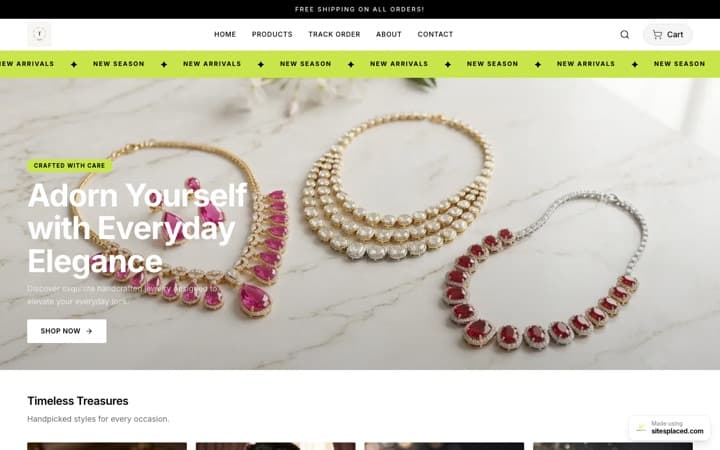
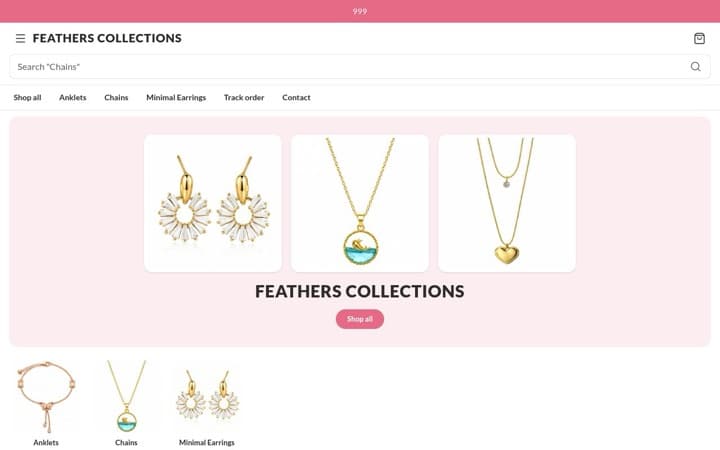
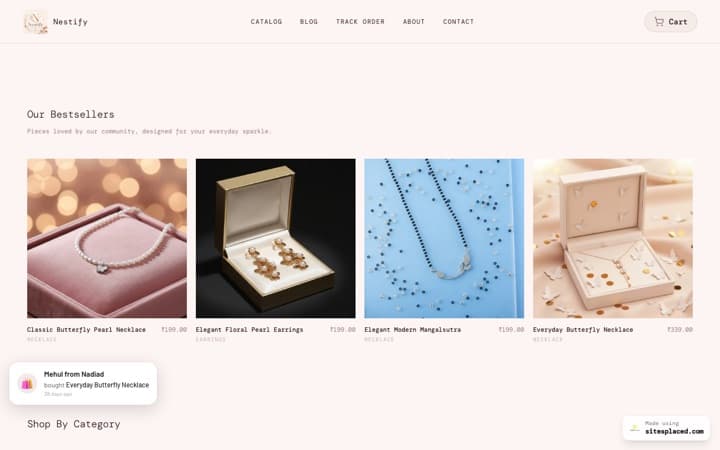
Dhanteras is a traditional day for buying metal, and festive outfits need earrings and bangles to go with them. What it needs: close-up photos, and a plain statement of what each piece is made of: gold, silver, gold-plated brass or imitation.
Margin, as a worked example: an imitation earring set that costs you ₹150, a ₹25 box, ₹60 delivery and a ₹10 fee. Priced at ₹499, you keep ₹254. The parcel is small and light, so packing and delivery take a smaller bite.
Risk: the buyer can’t touch it, so a finish that looks different from the photo comes back. Gold and silver have their own rules, such as hallmarking by BIS (the Bureau of Indian Standards). Check what applies before you list them. See Dhanteras sale ideas for a jewellery store and how to start an online jewellery business.
6. Home and kitchen
Serving bowls, trays, table linen, cushion covers, storage jars, and brass or steel utensils for Dhanteras. People host guests during the festival, and a home item is a safe gift for a family. What it needs: strong packing, and a courier rate for a large box before you set your price.
Margin, as a worked example: a set of six serving bowls that costs you ₹450, packing at ₹60, delivery at ₹120 and a ₹20 fee. Priced at ₹999, you keep ₹349.
Risk: weight and size. Couriers usually charge for how big a box is as well as how heavy it is, so ask for the rate for your packed box. Glass and ceramic also break. The good part is that these items sell all year, so unsold stock isn’t wasted. For setting the charge, read how to set shipping charges for an online store.
7. Personalised gifts
A mug or frame with a photo, a pendant with a name, a hamper with a printed card. A gift with a name on it feels like more thought went into it. What it needs: a way to collect the name or photo with the order, and an honest count of how many pieces you can make in a day.
Margin, as a worked example: a photo frame that costs you ₹220 with printing, packing at ₹40, delivery at ₹70 and a ₹14 fee. Priced at ₹699, you keep ₹355.
Risk: a frame with someone’s photo can’t be sold to anyone else. Take payment before you make it, and read every name back to the buyer. On SitesPlaced, each product has a Personalisation & extras card where you can ask for a photo, ask for a text note, and add paid extras such as gift wrapping. It is free on every plan.
8. Corporate gifts
Offices give Diwali gifts to staff and clients, often the same box many times over. What it needs: a price list with two or three tiers, a sample, and an invoice the company’s accounts team will accept. They may ask for a GST invoice. Whether you need GST registration depends on your situation, so confirm with a CA.
Margin, as a worked example: 50 boxes at ₹800 each is ₹40,000. Each box costs you ₹520 to fill and pack, which is ₹26,000. One delivery to the office costs ₹1,500. You keep ₹12,500, or ₹250 a box. That is less per box than a retail order, but it comes from one conversation and one delivery.
Risk: companies often pay after delivery, and you have to buy stock for 50 boxes first. Ask for part of the money in advance. More in how to win corporate gifting orders.
How to choose: three questions
- Will it arrive whole and fresh? If it breaks or spoils, start with delivery in your own city and ship only what travels well.
- Can you make enough? If one piece takes you an hour, your evenings set the limit. Price for that, and close orders when you are full.
- What happens on 9 November? Festival-only stock waits a year. If this is your first season, lean towards things that still sell in winter and the wedding months.
Then start with one category and ten to fifteen products, and work out your own margin with the free product pricing calculator. If you are still deciding what kind of business to start, 15 Diwali business ideas you can start from home goes through the options one by one.
Putting it online this Diwali
You can sell through Instagram DMs and WhatsApp alone, and many sellers begin there. It gets hard once ten people message at once asking the price, the delivery date and whether you take cash. A marketplace brings its own shoppers, which is a real advantage, but it charges its own fees and your products sit next to everyone else’s. Your own store gives you one link that answers those questions, takes the order and the payment, and keeps the customer yours.
On SitesPlaced, the store is free to open, with 0% commission: unlimited products and orders, UPI and cards through your own Razorpay, PhonePe or Cashfree account, cash on delivery (the buyer pays when the parcel arrives) and WhatsApp checkout. There are 16 free templates, and the importer can bring in your products from Instagram or an existing website, so you can be live the same day. The hamper page, coupons with an expiry date and the announcement bar for your order-by date are on the free plan too.
From Starter (₹199/month) you get your own domain, no SitesPlaced badge, and store pages that answer about 4× faster than on the free plan: about 75 ms instead of about 330 ms, measured on live paid stores on 28 September 2026. “Answer” means how soon the page starts arriving on the phone, before the photos load. The code FREE7 gives 7 days free on Starter or Growth when you set up autopay. Cancel before the first charge and you pay nothing. The week-by-week plan is on the Diwali page.
Frequently asked questions
What sells the most online during Diwali?
We have no sales figures to rank products with, so we won’t pretend to. Going by how the festival is celebrated, people buy things to give (hampers, sweets and dry fruits, personalised and corporate gifts), things for the house (diyas, décor, home and kitchen items) and things to wear (ethnic wear and jewellery). For a small seller, the best one is the category you can make, pack and deliver before Diwali on Sunday 8 November 2026.
Which Diwali product gives a small seller the best margin?
It depends on your costs, so work out what you keep on one order: price, minus the product, packing, delivery and the payment fee. In our worked examples, small and light items such as jewellery, diyas and personalised gifts keep a bigger share of the price, because packing and delivery cost less. Dry fruits keep the smallest share, because buyers know the market price of the contents.
Is it too late to start selling for Diwali?
Diwali is on Sunday 8 November 2026. If you sell ready stock, you can open a store in a day and start taking orders. Made-to-order, stitched and personalised items need more time, so set an order-by date that leaves room for making and for the courier, and ask your courier how long delivery takes at this time of year.
Do I need a licence to sell sweets or dry fruits online?
Generally, yes. Anyone who makes, packs or sells food in India, including from home, is expected to be registered with FSSAI (the Food Safety and Standards Authority of India). Apply on FoSCoS, FSSAI’s official portal, and confirm which registration or licence applies to you there or with a CA.
What happens to stock I don’t sell by Diwali?
It depends on the category. Jewellery, ethnic wear, home and kitchen items and dry fruits still sell after the festival. Diyas, Diwali décor and fresh sweets mostly don’t. If this is your first season, buy less of the festival-only items and more of what you can keep selling in November and December.
How much does it cost to open a Diwali store on SitesPlaced?
Nothing. The free plan lets you publish a store with unlimited products and orders, 0% commission, UPI and cards through your own Razorpay, PhonePe or Cashfree account, cash on delivery and WhatsApp checkout. Paid plans start with Starter at ₹199/month for your own domain, no SitesPlaced badge and store pages that answer about 4× faster. The code FREE7 gives 7 days free on Starter or Growth when you set up autopay.
Picked your category? Open the store today, free
Unlimited products and orders, UPI, cash on delivery and WhatsApp checkout, a hamper page and coupons, all at 0% commission. Message us on WhatsApp if you get stuck.