


12 New Year business ideas from home to start in January 2027
If you want to start something from home in January 2027, pick a product that people are already buying in January: planners, healthy food, fitness kit, woollens, or anything you can prepare now for Valentine’s week and the wedding season. Below are twelve ideas with what each needs, a rough start cost, and when it sells, followed by how to open a free online store the same day and what to do in the first 30 days. It is written to be honest about effort. None of these is passive income; all of them are real work that can pay.
Why January is a good month to start. New Year’s Day is Friday 1 January 2027, so the year begins with a long weekend and a wave of resolutions: eat better, get fit, get organised. Republic Day on Tuesday 26 January is the next holiday. Valentine’s week runs 7 to 14 February, and the wedding season is in full swing from November to February. A business started in the first week of January has four selling moments in its first six weeks. Few months offer that.
TL;DR
- • Start made-to-order where you can, so you are not holding stock in week one.
- • 12 ideas below; most need roughly ₹2,000–₹10,000 to begin, two need ₹0.
- • The store is free: ₹0, 0% commission, UPI, COD and WhatsApp checkout, published the same day.
- • Pay only for a domain when you want one: Starter ₹199 once for 30 days, or ₹1,990 once for a year, no autopay.
- • First 30 days: ten real orders and ten honest reviews beat a thousand followers.
How to pick one: four questions
- Can you make it, or get it, at a cost that leaves half the price? Price minus landed cost (product, packaging, courier) must leave enough to be worth your evening. The product pricing calculator does the sum.
- Do you have to buy before anyone orders? Digital products, services, personalised gifts and food can be made to order. Fitness kit and woollens need stock. Start with the first kind if cash is tight.
- Who are your first twenty customers, by name? If you cannot list them (colleagues, your society WhatsApp group, your college batch, parents at your child’s school), you do not yet have a business; you have a product.
- Does it still sell in March? Woollens stop. Planners slow. Pet treats, candles, plants, snacks and tutoring carry on. A seasonal start is fine as long as you know what comes next.
The 12 ideas at a glance
Start costs are rough estimates for a small first batch, not quotes. Your city, your supplier and how much you buy will move them.
| # | Idea | What you need | Rough start cost | When it sells |
|---|---|---|---|---|
| 1 | Planners, journals and habit trackers | Design skills or a printer who does small runs; or sell as a digital download | ₹0 (digital) to ₹5,000 (first print run) | January, then all year for students |
| 2 | Healthy snacks and meal-prep boxes | A kitchen, FSSAI registration, local delivery | ₹3,000–₹8,000 for ingredients and packaging | January resolutions; weekday office lunches |
| 3 | Home fitness accessories | A wholesale source for mats, bands, bottles; good photos | ₹8,000–₹15,000 for first stock | January to March |
| 4 | Hand-knitted and woollen wear | Knitting or a maker you can buy from | ₹2,000–₹5,000 in yarn | December to February in the north |
| 5 | Valentine’s gifts and personalised keepsakes | Blank mugs, frames, a local printer or engraver | ₹3,000–₹6,000 in blanks | Build in January, sell 1–14 February |
| 6 | Wedding favours and return gifts | Small items in bulk, boxes, a note field for names | ₹5,000–₹10,000 for samples and first stock | November to February wedding season |
| 7 | Houseplants and planters | A nursery to buy from, pots, space on a balcony | ₹3,000–₹6,000 | All year; gifting peaks in January and February |
| 8 | Candles and home fragrance | Wax, wicks, jars, fragrance oils, safety labels | ₹3,000–₹6,000 | Winter, then weddings and Valentine’s |
| 9 | Pet treats and accessories | Recipes or a supplier; a pet-owning network | ₹2,000–₹6,000 | All year; repeat buyers |
| 10 | Tutoring, coaching or consultations | A skill people pay for and a calendar | ₹0 | January for exam season and resolutions |
| 11 | Pickles, chutneys and winter preserves | A kitchen, FSSAI registration, jars and labels | ₹2,000–₹5,000 | Winter produce: gajar, gur, amla, orange |
| 12 | Kids’ craft kits and activity boxes | Craft supplies, simple instructions, a printer | ₹3,000–₹6,000 | Winter holidays, then birthdays all year |
The ideas in more detail
1. Planners, journals and habit trackers. January is the one month everyone wants a planner. If you can design, sell a printable PDF as a digital download first (the free plan allows one live download product; Growth makes downloads unlimited) and print a small run only once people have paid for the PDF. Undated planners sell past January. Effort: high at the start, then almost none per order.
2. Healthy snacks and meal-prep boxes. Roasted makhana, protein laddoos, millet cookies, or weekday lunch boxes for offices near you. Anyone selling food is generally expected to be registered with FSSAI; apply at foscos.fssai.gov.in and confirm what applies to you. Keep delivery local for anything fresh. How to sell homemade food online covers labels, shelf life and packing. Effort: daily.
3. Home fitness accessories. Yoga mats, resistance bands, skipping ropes, shaker bottles, bought wholesale and sold as a “January starter kit”. The margin per piece is modest and marketplaces sell the same things, so win on the bundle, the photos and the local same-day delivery. Effort: low per order, but stock sits in your room.
4. Hand-knitted and woollen wear. Baby sets, mufflers, beanies and shawls sell across North India until February. Start with one-size items so you are not left with a medium in March. Effort: high per piece; price for your hours.
5. Valentine’s gifts and personalised keepsakes. Photo mugs, engraved keychains, frames with a message, hampers for two. Build the catalogue in January and sell from 1 to 14 February. On SitesPlaced, per-product personalisation (a photo upload, a text note, paid extras such as gift wrap) is free, so the buyer’s photo and message arrive with the order. Effort: a rush in one fortnight.
6. Wedding favours and return gifts. Weddings run roughly November to February. Families need fifty to five hundred small gifts with a name on them: potlis, candles, jars, scented sachets. List “box of 50” as a product with a note field for names and take the conversation to WhatsApp. There is no bulk-order or quote feature, so a clearly priced set product and a UPI advance are the route. Effort: bursts around each order.
7. Houseplants and planters. Buy from a nursery, repot into good pots, photograph in daylight, deliver locally. Plants are a gift that suits everyone and a resolution (“make the house nicer”). Effort: medium; plants need care while they wait.
8. Candles and home fragrance. Winter is candle season and leads straight into weddings and Valentine’s. How to start a candle business has costing and safety labels. Effort: slow to make well; sells all year.
9. Pet treats and accessories. Homemade dog biscuits, bandanas, name tags, winter coats for small dogs. Pet owners buy again every month, which is the best kind of customer. Use the Pet Store template. Effort: steady, with repeat orders.
10. Tutoring, coaching or consultations. Board exams, competitive exams, English speaking, yoga, nutrition, astrology, career guidance. It costs ₹0 to start. List each session as a product (“Five-class pack, ₹2,499”), take payment by UPI, and schedule on WhatsApp. The Astrology & Consultation Store and Wellness Store templates are built for this. Effort: your hours are the product.
11. Pickles, chutneys and winter preserves. Gajar ka halwa mix, gur-based sweets, amla candy, orange marmalade, green-chilli pickle. Winter produce makes things that keep. FSSAI applies here too (foscos.fssai.gov.in). Effort: batch cooking on weekends.
12. Kids’ craft kits and activity boxes. A box with everything to make one thing: a Republic Day flag craft, a Valentine’s card kit, a bird feeder. Parents want screen-free hours in the winter holidays and for birthdays all year. Effort: medium to assemble; easy to post.
For a wider list that is not tied to the season, see how to start a small business from home in India, and for the festival version written for October, 15 Diwali business ideas from home.
Open the store the same day: what it costs, honestly
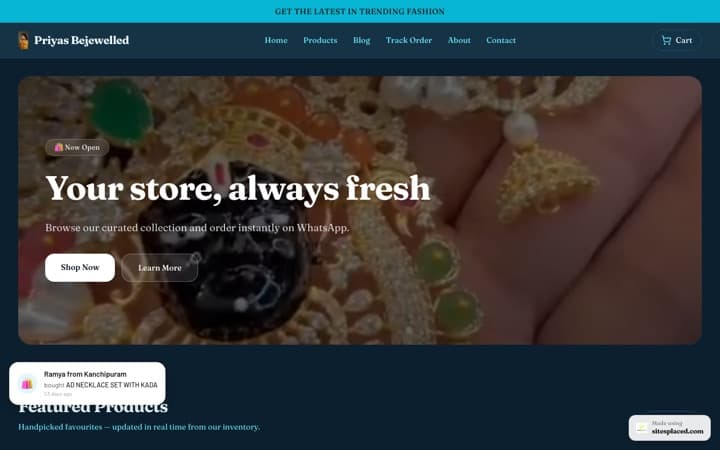
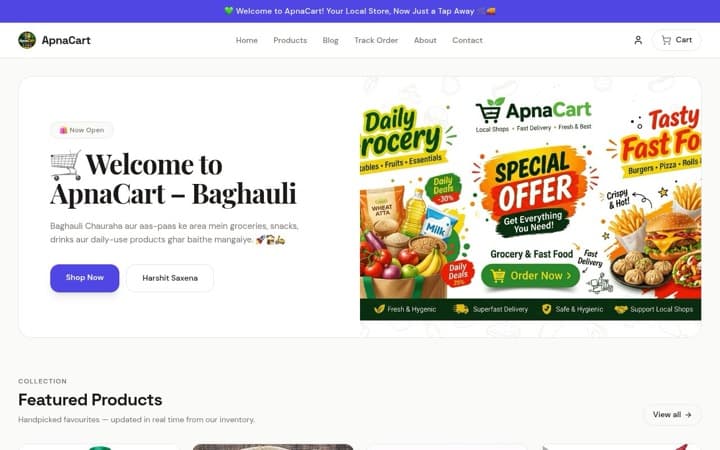
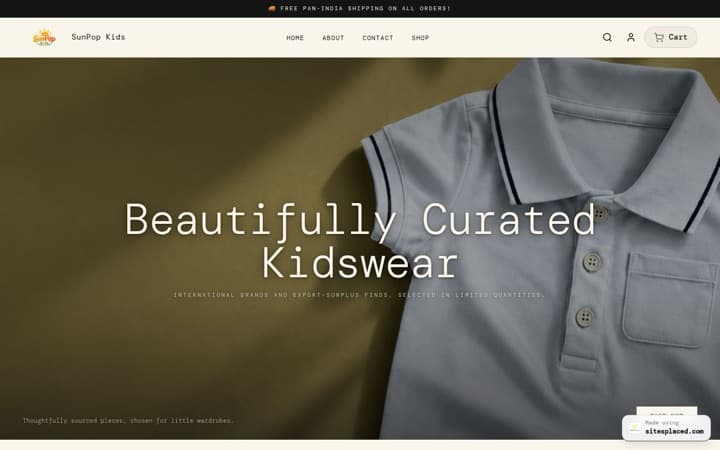
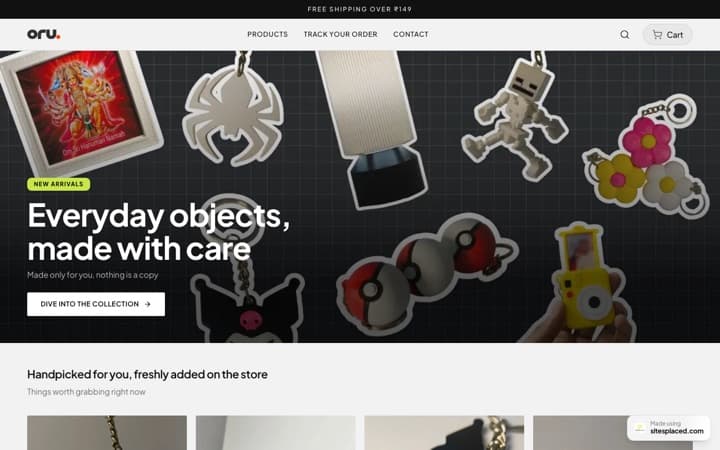
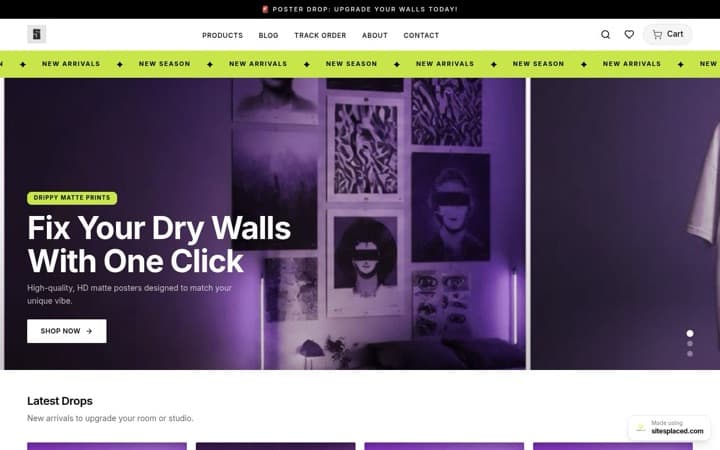
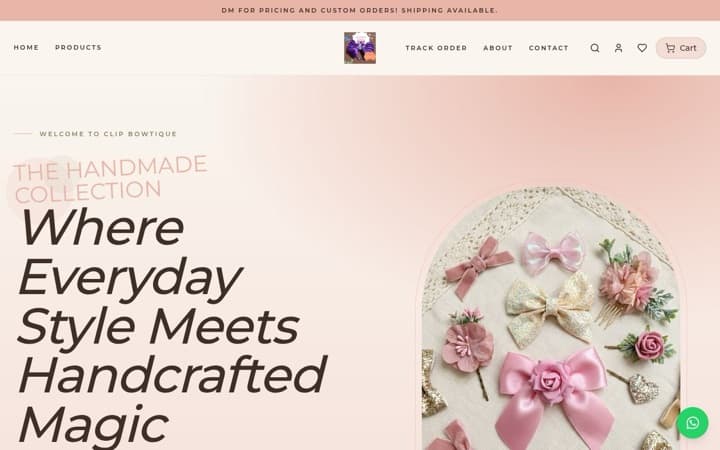
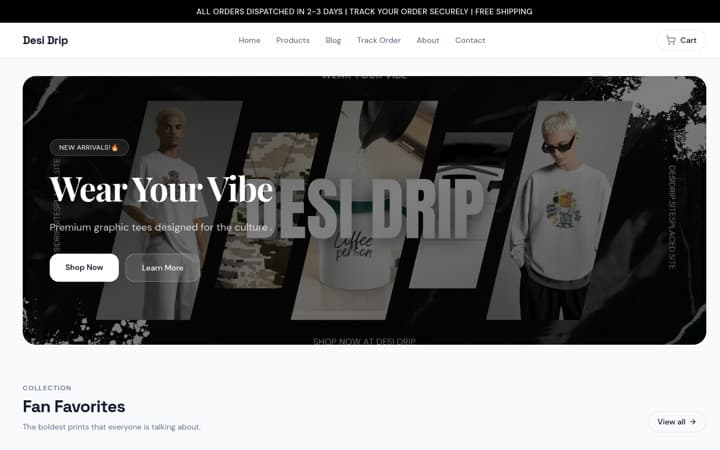
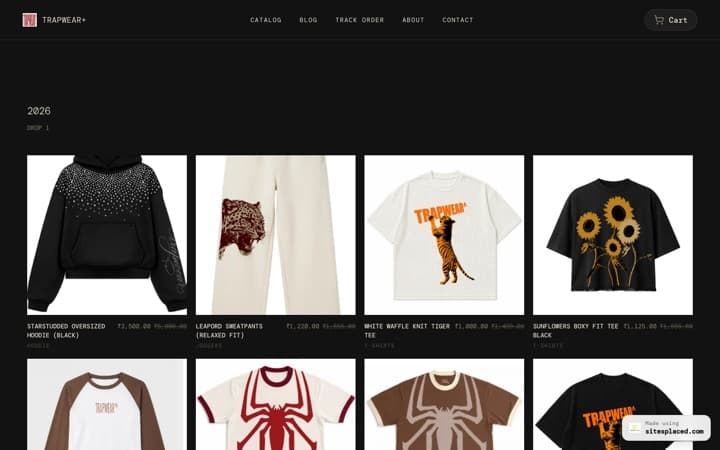
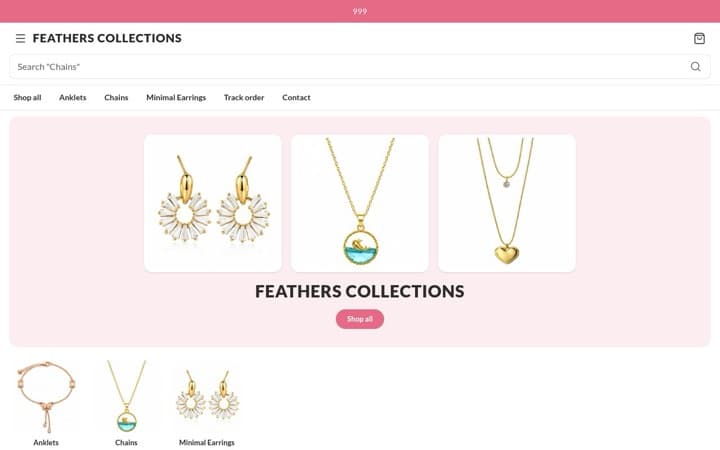
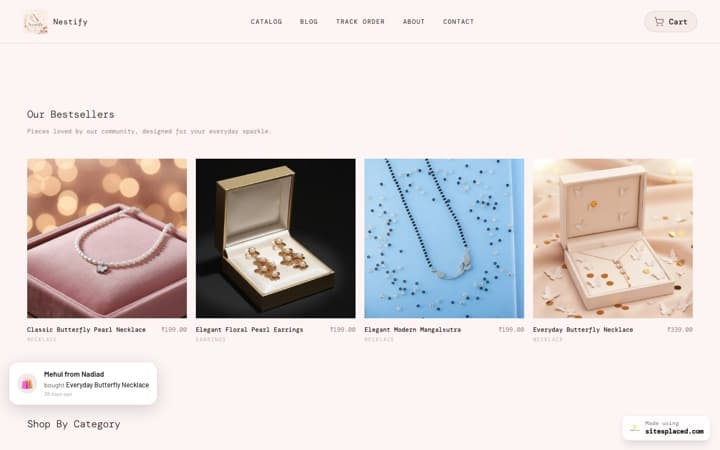
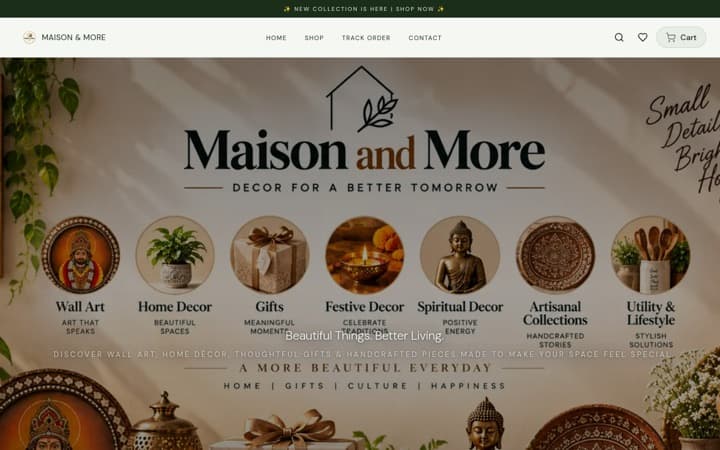
You do not need a website to start, but you need one link where the price, the photos and the way to pay all live, or you will spend January retyping prices into WhatsApp. On SitesPlaced that link is free: pick one of 16 store templates, add products, and publish at an address like yourbrand.sitesplaced.site. The free plan has 0% commission, unlimited products and orders, UPI and cards through your own Razorpay, PhonePe or Cashfree account, cash on delivery, WhatsApp checkout, coupons, the free-delivery bar, invoices, Shiprocket and Shipmozo for couriers, up to 5 sites and 500 MB of photos. There is a small SitesPlaced badge on the page. That is the only catch.
When you want your own domain, such as yourbrand.com, and the badge gone, that is Starter: ₹199 a month, or in India pay ₹199 once for 30 days, no autopay, or ₹1,990 once for a year. Nothing renews by itself on the pay-once path; you pay again only if you want to keep it. Starter also adds visitor and store analytics, AI-written site copy, 2 GB of storage, a dedicated setup person, and makes your store’s pages answer about 4× faster than on the free plan: about 75 ms instead of about 330 ms, measured on live paid stores on 28 September 2026. “Answer” means how soon the page starts arriving, before the photos load.
Growth at ₹499 a month (or ₹4,990 once for a year) adds the sales boosters, product reviews with Google star ratings, unlimited digital downloads and WhatsApp Business API order alerts; you will know when you need it. The code FREE7 gives 7 days free on Starter or Growth when you set up autopay; cancel before the first charge and you pay nothing. Our advice for January: stay on the free plan until you have ten paying customers, then buy Starter once for 30 days and see if the domain changes anything for you.
The first 30 days, week by week
- Week 1 (1–7 January): make five products and one page. Not twenty products. Five, with daylight photos on a plain background and a price you have checked against landed cost. Publish the store. Write your return and delivery policy in plain words; the return policy generator drafts one.
- Week 2 (8–14 January): sell to the twenty people you named. Send the link personally, one message each, not a broadcast. Ask for the order and for one honest sentence of feedback. Deliver fast and pack well; the first ten parcels are your reputation.
- Week 3 (15–21 January): fix what they told you. Change the photo nobody understood, the price that felt wrong, the size that was missing. Post the first customer photos (with permission) on Instagram and WhatsApp status; how to sell on WhatsApp status explains what to post and how often.
- Week 4 (22–31 January): plan February before it starts. Republic Day on the 26th is a small selling day. Valentine’s week starts 7 February: list the gifts now. If you had zero orders from outside your circle, change the product or the audience, not the logo. If you had ten, consider Starter for a domain and analytics so you can see where people come from.
Paperwork, in general terms
Three things come up. FSSAI: anyone selling food is generally expected to be registered; apply at foscos.fssai.gov.in and confirm what applies to you. GST: whether you must register depends on your turnover and what you sell; ask a CA before your first sale rather than after your hundredth. Udyam (MSME) registration: free, useful for bank accounts and some schemes, not a licence to sell; our plain-English guide walks through it. None of this should stop you listing products this week; it should be on your list for the first month.
Frequently asked questions
What business can I start from home in January 2027?
January suits businesses that ride on New Year resolutions and the winter season: planners and journals, healthy snacks, home fitness accessories, woollen wear, and tutoring or consultations. It is also the month to prepare for Valentine’s week (7 to 14 February 2027) and the wedding season, which runs roughly November to February, so personalised gifts, favours, candles and houseplants are good starts too.
How much money do I need to start a home business in India?
Less than most people think, if you start made-to-order. A digital product or a service costs nothing but your time. Most of the physical ideas here need roughly ₹2,000 to ₹10,000 for first stock and packaging; those are rough estimates, and you should buy for the orders you have plus a small buffer. The online store itself is free on SitesPlaced, with 0% commission.
Can I open an online store the same day I decide to start?
Yes. A SitesPlaced store is free to open and publish: pick one of 16 store templates, add products with photos and prices, switch on UPI, cash on delivery or WhatsApp checkout, and share the link. Most people have a working store with five products in an evening. Your own domain, such as yourbrand.com, comes later with Starter, which you can pay for once with no autopay.
What does a SitesPlaced store cost after the free plan?
The free plan stays free. When you want your own domain, the badge removed and analytics, Starter is ₹199 a month, or in India you can pay ₹199 once for 30 days with no autopay, or ₹1,990 once for a year. Growth at ₹499 a month adds sales boosters, reviews and unlimited digital downloads. The code FREE7 gives 7 days free on Starter or Growth when you set up autopay; cancel before the first charge and pay nothing.
Do I need GST or FSSAI to start selling from home?
It depends on what you sell and how much. Anyone selling food is generally expected to register with FSSAI through the FoSCoS portal at foscos.fssai.gov.in. GST registration depends on your turnover and what you sell; confirm with a CA before your first sale. Udyam (MSME) registration is free and useful but not a licence to sell.
How long before a home business makes money?
Nobody can promise a number. What you can control is cost: start made-to-order so you are not holding stock, price from your landed cost so every order leaves something, and spend the first 30 days getting ten real orders and ten honest pieces of feedback rather than chasing followers. If after a month nobody outside your family has ordered, change the product or the audience, not the logo.
Start on 1 January with a store that already exists
Open a free store tonight, add five products over the holidays, and send the link on New Year’s Day. ₹0, 0% commission, UPI and WhatsApp checkout included.