
Sell products on Instagram with a website behind it
Instagram is the shop window. A website is the till. Pair them, and every Reel that lands sends people to a store that takes the order and the money for you — instead of a DM you have to chase.
By Manan Agrawal, Founder · Updated June 10, 2026
26 live customer stores
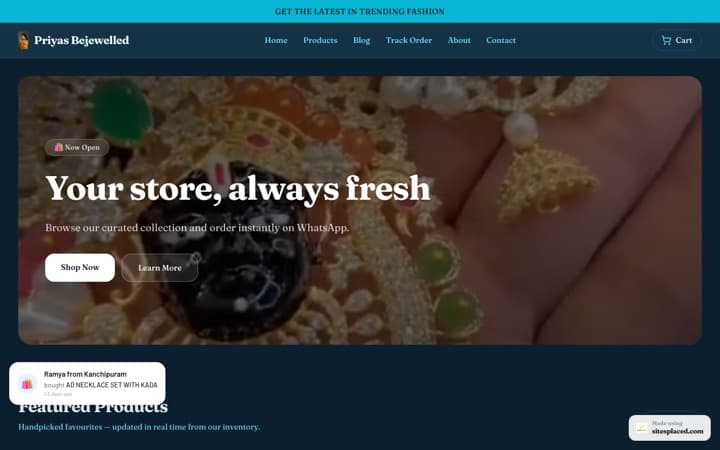

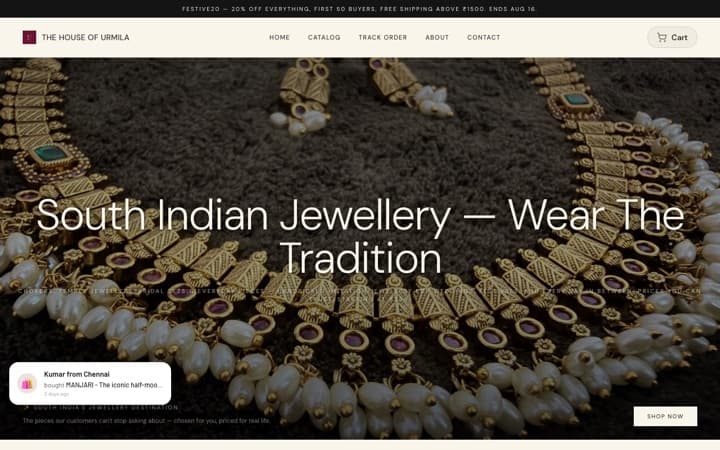
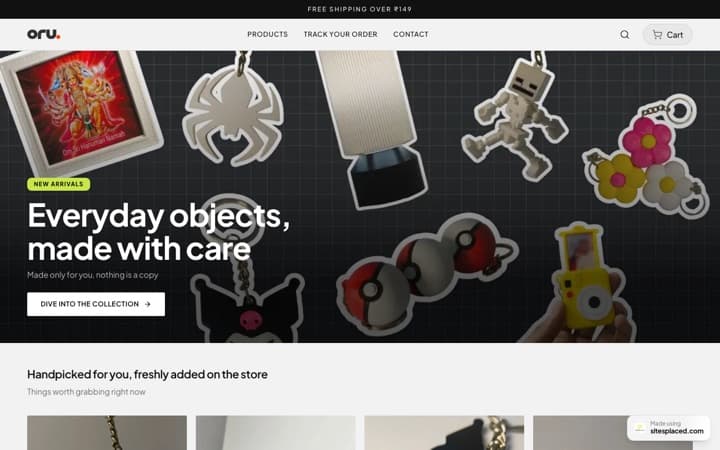

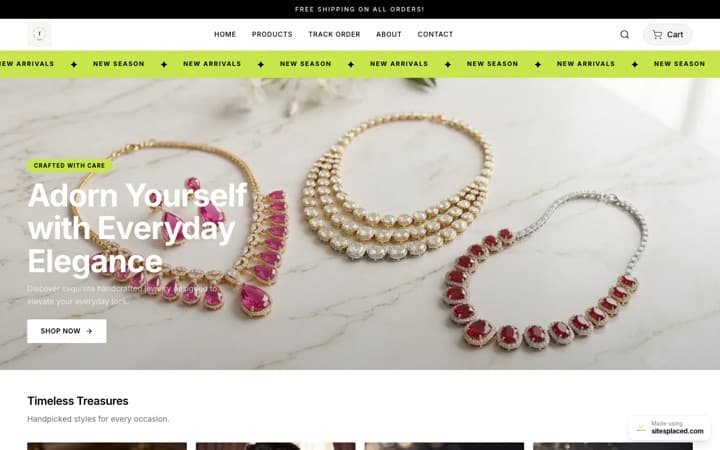
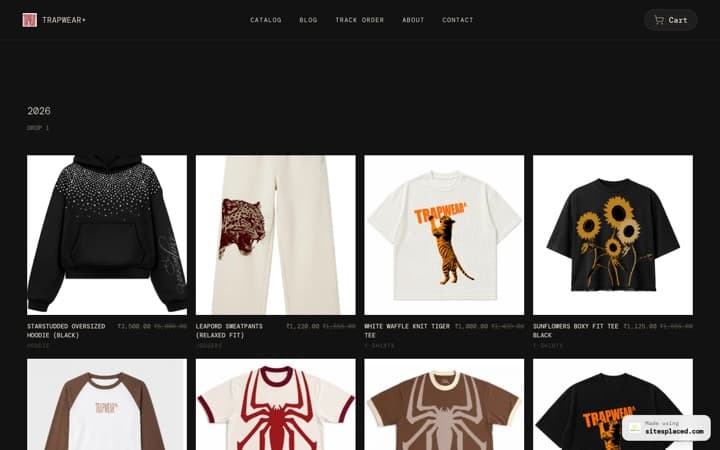

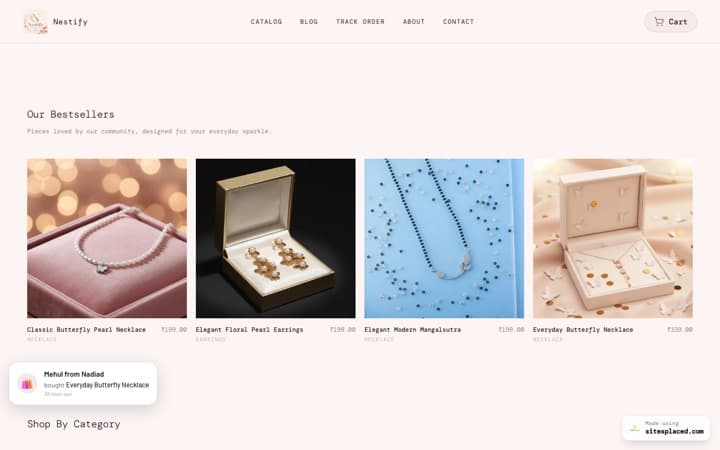



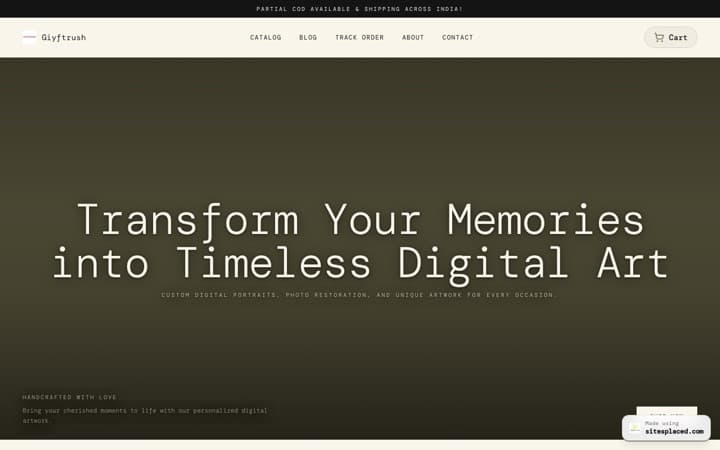
Every store here is live and taking orders · read the SitesPlaced reviews from their owners
Real sellers on SitesPlaced
 sitesplaced.official@thehouseofurmila
The House of Urmila · Jewellery
Testimonial video · July 22, 2026
View on Instagramsitesplaced.official@talkingtails_
The Pet Journal · Pet products
Testimonial video · August 11, 2026
View on Instagramsitesplaced.official@surroor_house
Surroor House · Clothing store
Store launch · August 13, 2026
View on InstagramMore ratings and press coverage — read the SitesPlaced reviews



Syndicated across 207 outlets (2.1M+ potential reach)All coverage
The best way to sell products on Instagram is to drive your feed to a real website that closes the sale. Keep finding customers with Reels, stories and posts, and point your bio link to a SitesPlaced store that takes UPI, COD, Razorpay and WhatsApp orders, tracks stock and ships via Shiprocket. Free to build and publish, 0% commission — pay from ₹199/month (Starter) only for your own custom domain, to remove the badge, and to add AI. Instagram drives the traffic, your website does the selling.
Real stores, live on SitesPlaced
Not mockups — real sellers running live stores on SitesPlaced with their own domains, UPI and COD. Open any of them in a new tab.
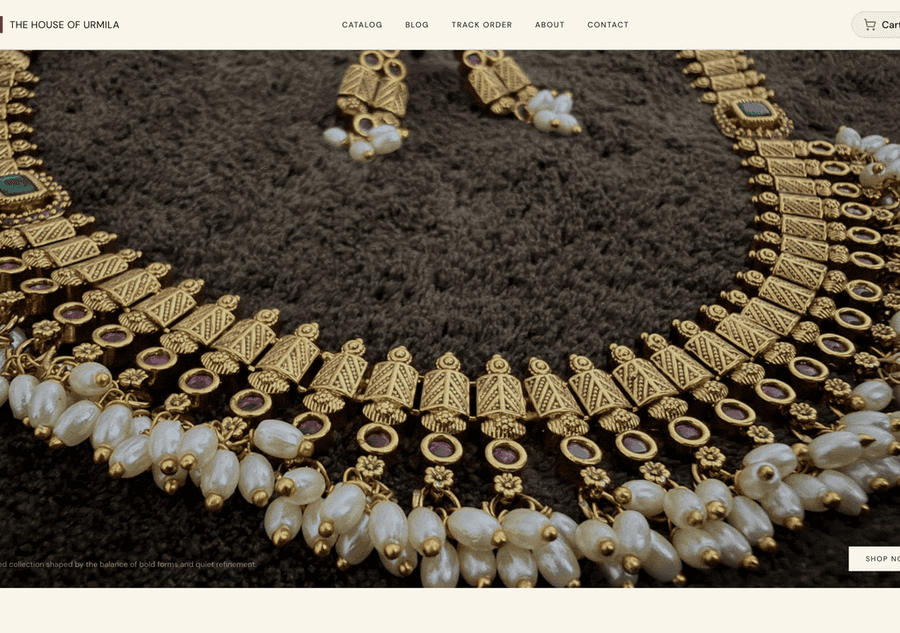
The House of Urmila
A handcrafted jewellery label running its full catalogue on its own domain — UPI & COD checkout built in.
Visit live site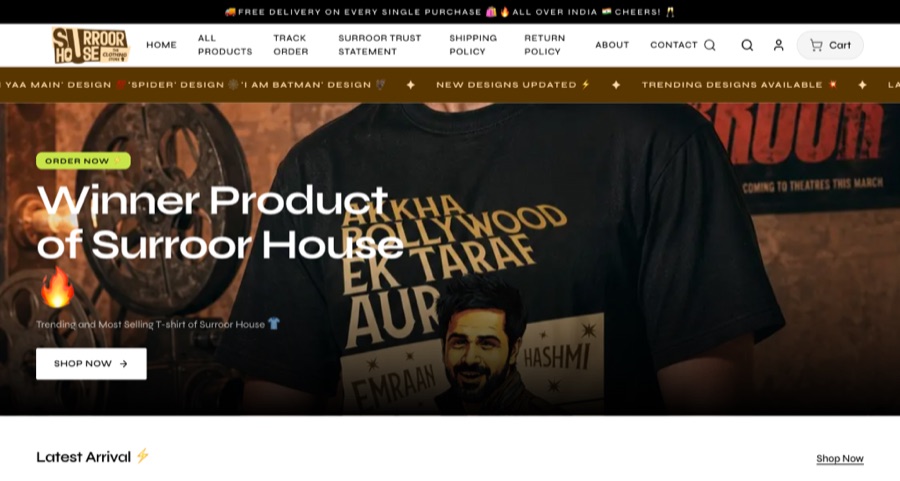
Surroor House
An oversized-tee label running its full catalogue on its own domain — trending designs, sizes and COD checkout.
Visit live site
The Pet Journal
India's first guided journal for pet parents, selling direct from its own domain instead of through DMs.
Visit live siteThe Instagram-to-website funnel that works
Selling on Instagram is really two jobs: getting attention and converting it. Instagram is built for the first and bad at the second. So the sellers who scale stop trying to make Instagram do checkout, and instead build a clean handoff: content earns the tap, the website earns the order.
Content earns the visit
Reels, carousels and stories show the product and the proof. Your bio and story stickers link straight to your store.
The store earns the order
Visitors land on a branded storefront, pick a product and variant, and reach a checkout built for India — not a DM.
Checkout earns the payment
UPI, COD or Razorpay at checkout, or structured WhatsApp ordering for chat-first buyers. The money is collected, not promised.
The dashboard runs the rest
Each order is recorded with payment status, stock updates itself, a GST invoice is generated, and Shiprocket handles delivery.
What does a website do that DMs cannot?
Collects payment upfront
UPI, COD and Razorpay at checkout mean fewer drop-offs and no chasing screenshots. Higher-ticket items convert far better with a real checkout.
Never loses an order
Every sale lands in a dashboard with its status. No more scrolling DMs to find who paid and who is still pending.
Keeps stock honest
Inventory updates per variant as orders come in, so you never sell a size or colour you have already run out of.
Looks like a brand
A store on your own domain signals you are legitimate. That trust is often the difference between a like and a purchase.
Tips to convert Instagram traffic into sales
- ✓Put your store link in your bio and add a link sticker to high-performing stories
- ✓Pin a story highlight that shows exactly how to order in three taps
- ✓Lead your store with your three best-sellers — most visitors decide fast
- ✓Use the same photos in your posts and your store so buyers recognise the product
- ✓Offer UPI and COD; reducing payment friction is the single biggest conversion lever
Stores built to sell from Instagram
These live demos are the kind of destination your bio link should open — mobile-first, fast, and tuned for Indian buyers. Find the closest fit and clone it.
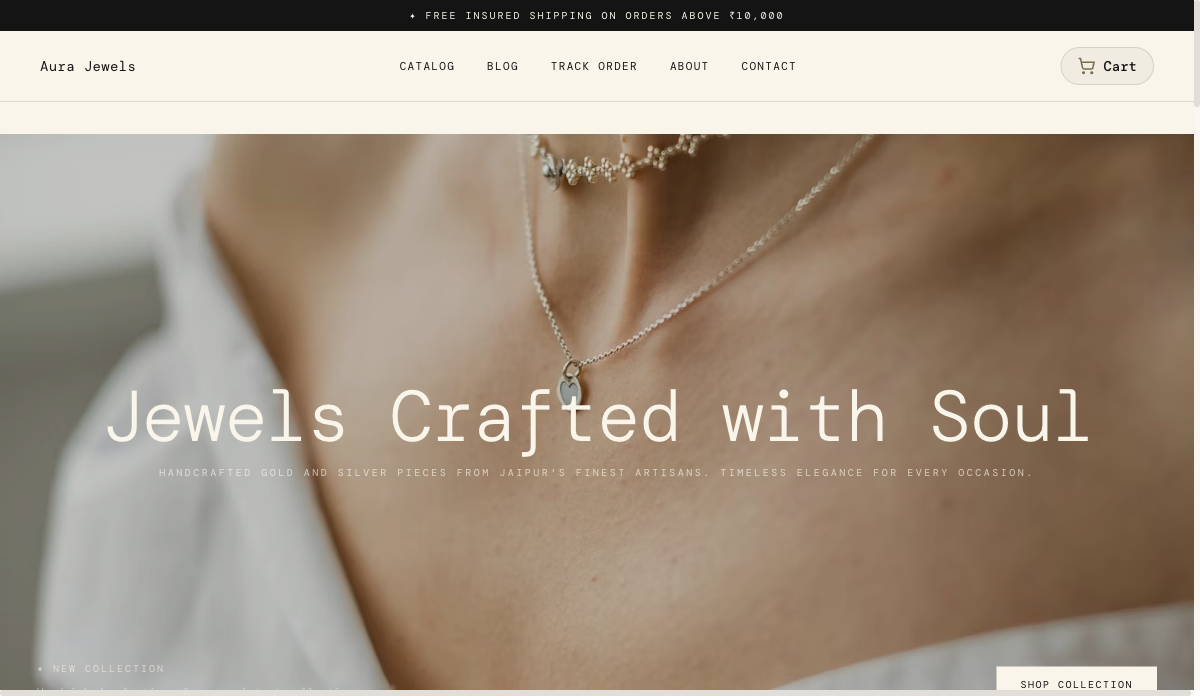 Jewellery
Maison — Luxury Store
Editorial, gallery-grade storefront. Used by the Aura Jewels demo — ideal for jewellery, watches and premium accessories.
View live demo Sarees
Threadlore — Heritage Sarees
Warm, textile-first storefront tuned for sarees, lehengas and handloom — variant swatches, zoom, COD and UPI built in.
View live demo Beauty
Glow Studio — Cosmetics
Bright, conversion-focused beauty storefront with shade selectors and bundles. Built for cosmetics and skincare sellers.
View live demo Skincare
Apothic — Skincare
Calm apothecary aesthetic with ingredient storytelling and routine bundles. For skincare, wellness and self-care brands.
View live demo Gifting
Florine — Florist & Gifting
Soft, seasonal florist storefront with same-day delivery slots and gift notes. For flowers, hampers and gifting.
View live demo Food
FoodCacao Noir — Chocolate
Premium dark-mode storefront for chocolate, bakes and gourmet food, with grams/box variants and festive bundles.
View live demoWhich mistakes cost Instagram sellers sales?
Most lost sales on Instagram are self-inflicted. The good news is they are easy to fix once you see them. These are the ones that quietly cap how much a seller makes:
- ✓Making buyers DM for the price — every extra step before checkout loses people
- ✓No clear link to a store, so interested followers have nowhere to actually buy
- ✓Settling payment over chat, which is slow, error-prone and feels unsafe for bigger orders
- ✓Letting orders pile up in DMs until you lose track of who paid and who is waiting
- ✓Inconsistent photos between posts and store, so buyers are not sure it is the same product
- ✓No follow-up — a website captures the order details so you can re-engage past buyers
A website behind your Instagram removes most of these in one move: the price is on the page, the link is in your bio, payment happens at checkout, and every order is recorded. You are not working harder — you are removing the friction that was costing you orders you had already earned.
Razorpay, Shiprocket, Shipmozo, WhatsApp API, Meta CAPI: all built in.
Razorpay, cash on delivery, WhatsApp checkout, Shiprocket and Shipmozo are on the free plan. From ₹199/month (Starter): Meta Pixel + Conversions API, your own domain, branding removal, AI and analytics. The ₹499/month Growth plan adds WhatsApp Business API alerts and the 1-click checkouts, bring your own credentials. No app store, no per-integration fees.
Payments
- Free

UPI, cards, net banking and wallets at checkout. SitesPlaced takes 0% commission; Razorpay's standard gateway fee applies.
razorpay.com - Free

StripeNew
Card, Apple Pay and Google Pay from customers worldwide. Connect your own Stripe account with a restricted key — payments land in your Stripe balance and SitesPlaced takes 0% commission.
stripe.com - Free

PayPalNew
Customers pay with their PayPal balance or a card. Connect your own PayPal app — the money lands in your PayPal balance and SitesPlaced takes 0% commission.
paypal.com - Free

PhonePeNew
UPI, cards, net banking and wallets at checkout on your own PhonePe Business account. Money settles straight to you and SitesPlaced takes 0% commission; PhonePe's standard gateway fee applies.
phonepe.com - Free

CashfreeNew
UPI, cards, net banking, wallets and pay-later at checkout on your own Cashfree account. Money settles straight to you and SitesPlaced takes 0% commission; Cashfree's standard gateway fee applies.
cashfree.com - Free
COD at checkout with an optional COD charge you set.
- Free

- ₹499

Sell with ShiprocketNew
1-click checkout by Shiprocket — saved addresses, UPI/cards/COD and RTO scoring, without your own payment gateway. Shiprocket collects and settles to you; SitesPlaced takes 0%, Shiprocket charges 2% per order.
shiprocket.in - ₹499
Razorpay Magic CheckoutNew
1-click checkout on your own Razorpay account — saved addresses, UPI/cards/COD in one step, with COD intelligence and RTO protection. Money settles straight to your Razorpay. Can run alongside Shiprocket checkout.
razorpay.com
Shipping
- Free
Push orders to Shiprocket, get AWB numbers back, and show live tracking on your Track Order page.
shiprocket.in - Free

ShippoNew
USPS, UPS, FedEx, DHL and Royal Mail labels for US, UK and international orders — around 5¢ a label with no monthly fee, billed to your own Shippo account.
goshippo.com - Free

ShipmozoNew
Courier selection, pickup scheduling and tracking status synced back to each order.
shipmozo.com - Free
Rehbar PostNew
Compare courier rates, book the shipment, print the label and track it back — on your own Rehbar Post account.
rehbarpost.com
Fulfilment
- Free

Qikink
Print-on-demand for India — t-shirts, hoodies and mugs printed and shipped domestically from your own Qikink account.
qikink.com - Free

PrintifyNew
Print-on-demand t-shirts, hoodies, mugs and posters. Link a product to your own Printify catalogue and paid orders are sent for printing automatically — Printify bills your account, we take nothing.
printify.com
Messaging
- ₹499
Every new order sends you an alert and the customer a confirmation, from your own WhatsApp Business number via Meta's Cloud API. Bring your own credentials.
business.whatsapp.com
Marketing
- ₹199+

Meta Pixel + Conversions APINew
Your own Pixel on the storefront plus server-side Purchase events from the order record, deduplicated, so Instagram and Facebook ads report real sales. Bring your own credentials.
facebook.com - ₹499

Import the product reviews you already collected in Judge.me on Shopify or WooCommerce onto your product pages, matched by product name. Bring your own API token; SitesPlaced also collects and moderates its own product reviews on every plan.
judge.me - ₹199+
Custom head code
Paste Google Analytics, Clarity or any tag into your live site.
Growth
- ₹199+
yourbrand.com with one-click DNS setup for most Indian registrars.
- Free


Create and edit your store by chatting with your AI assistant.
modelcontextprotocol.io - Free
Bring a catalogue in from Instagram, your existing website, a PDF, dm2buy or Shopexer.
Turn your Instagram traffic into real sales
Build and publish your store for free with 0% commission — pay from ₹199/month (Starter) only for your own custom domain, to remove the badge, and to add AI. Keep growing on Instagram and let your website take the order, the payment and the address. A real person helps you set it all up.
Start selling with a website →Frequently asked questions
How do I sell products on Instagram with a website?
Keep using Instagram to find customers, and add a website to close the sale. Build a store on SitesPlaced, put its link in your bio and stories, and let it take UPI/COD/Razorpay and WhatsApp orders, track stock and generate invoices. Your Reels and posts drive traffic; your website handles checkout and operations.
Why not just sell in Instagram DMs?
DMs work at tiny volume but break as you grow: you chase payments, copy addresses by hand, lose track of stock, and make invoices manually. A website automates all of that and makes your business look trustworthy — which lifts conversion, especially on higher-priced items.
How do customers pay when I sell through a website?
At checkout, with UPI, Cash on Delivery or Razorpay (cards, netbanking). Chat-first buyers can use structured WhatsApp checkout instead. Every order is recorded with its payment status and gets a GST-ready PDF invoice automatically.
Does linking out to a website reduce my Instagram engagement?
No. You still post and engage on Instagram as usual; the link simply gives interested followers a place to actually buy. Discovery stays on Instagram and selling moves to a store you control — they reinforce each other.
How much does it cost to sell on Instagram with a website?
On SitesPlaced it is free to build and publish, with 0% commission on sales — your store goes live on a username.sitesplaced.com URL with a small "Made using sitesplaced.com" badge. Payments (UPI, COD and Razorpay), shipping, invoices and inventory are all included free. You only pay the ₹199/month Starter plan when you want your own custom domain, the badge removed, and AI plus higher limits — still no per-sale cut.
How do I drive traffic from Instagram to my website?
Put your store link in your bio and add link stickers to high-performing stories, mention it at the end of Reels, and pin a story highlight that shows how to order. Tag products in posts where you can, and use the same photos in your content and your store so buyers recognise the item. The goal is to make the path from a post to a purchase as short and obvious as possible.