
An interior design portfolio website that wins the client
Clients don't hire a mood board — they hire proof that you can take a room like theirs and transform it. Here is everything an interior design portfolio website needs — project galleries, before/afters, materials boards, client results — and how to get yours live today.
By Manan Agrawal, Founder · Updated July 16, 2026
The interior design portfolios that convert are built on before/after project stories, not photo grids.SitesPlaced gives you per-project pages for the transformation, AI-drafted descriptions, a client enquiry form and automatic image optimisation — free to build and publish, live at yourname.sitesplaced.com. And “live in minutes” is measured, not marketing: in our data from 469 real builds, 72% of the sites live today were published within 10 minutes of starting. Pay ₹199/month only for a custom domain and to remove the badge. Squarespace, Wix and a Houzz profile are the usual alternatives.
Real portfolios, live right now
Real designers and creators built and published these on SitesPlaced — open any of them in a new tab to see what a finished portfolio looks like.
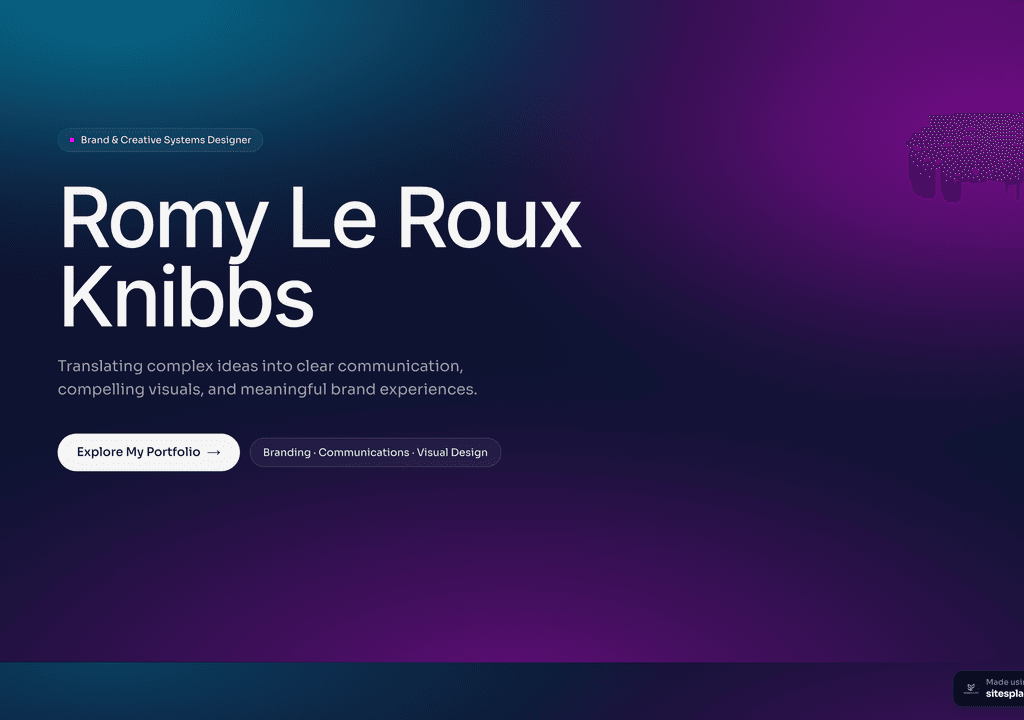
Romy Le Roux Knibbs
A brand & communications designer's portfolio — case studies in a polished, gradient-led layout.
Visit live site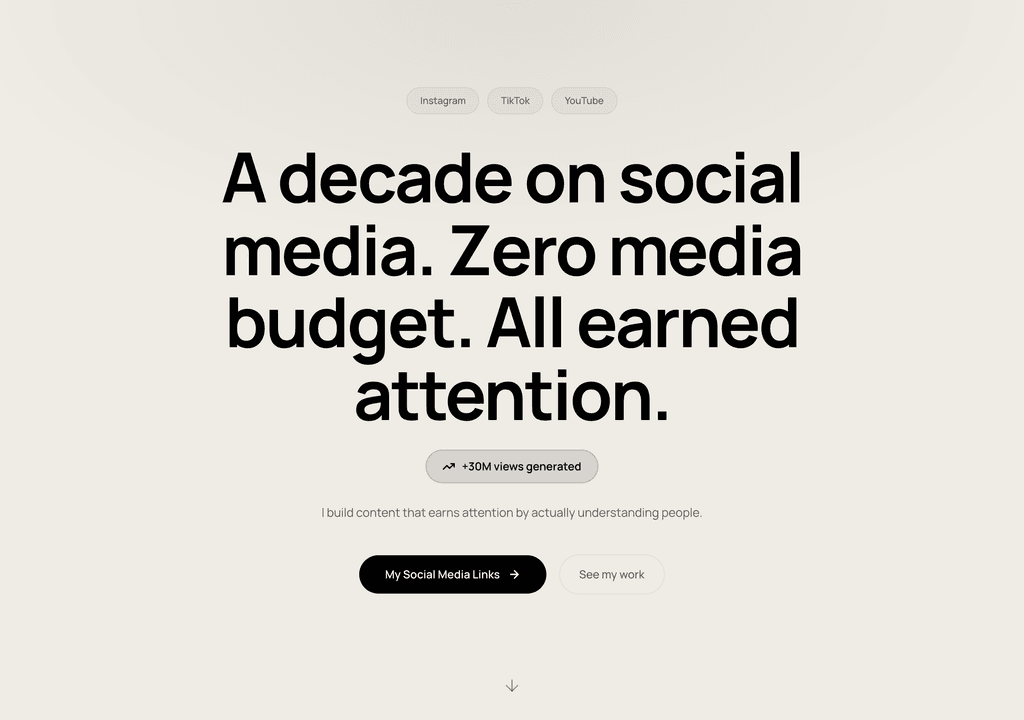
Steve Corbin Jr.
A social-media specialist's portfolio that turns a decade of earned attention into inbound clients.
Visit live site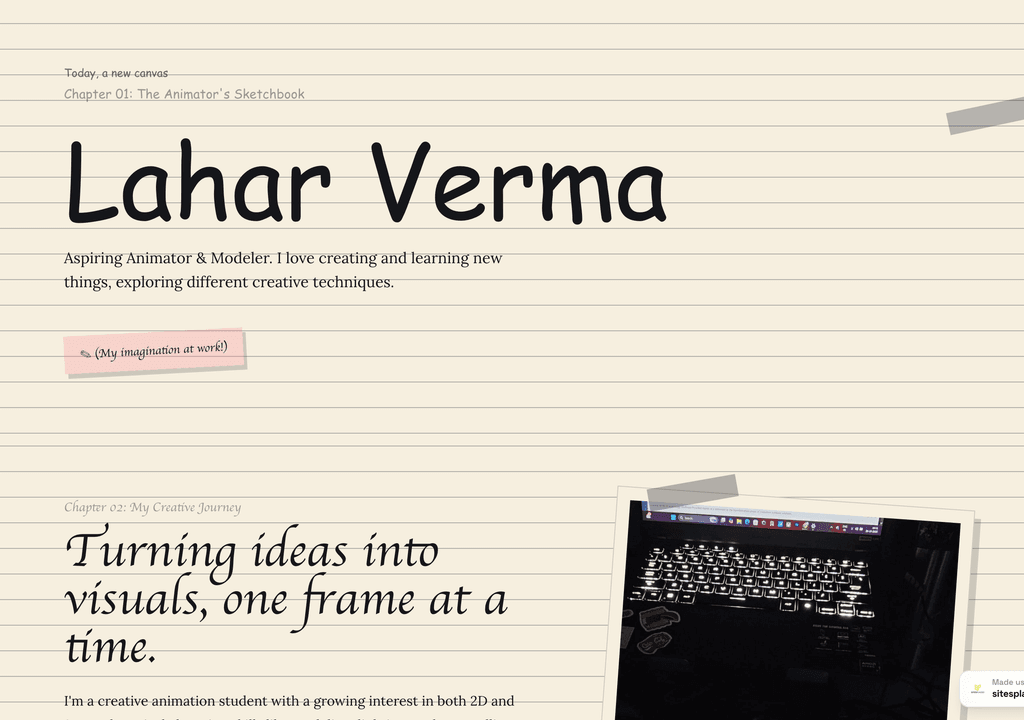
Lahar Verma
An aspiring animator's sketchbook-style portfolio — projects and creative journey, chapter by chapter.
Visit live siteWhat an interior design portfolio website needs
Six building blocks separate a portfolio that wins enquiries from a pretty photo dump. Every section of this guide maps to one of them:
Project galleries
Five to ten projects, each with four to eight after-photos, one hero shot and one detail close-up — organised as stories, not an endless grid.
Before / after pairs
Same room, same angle. The single most persuasive element on any interior designer's website, because it shows value created, not just taste.
Materials & moodboards
Palette chips, finish samples and fabric boards beside the finished room. They prove your results come from a process, not luck.
Client results
Budget band, city, timeline and scope for each project — plus a one-line client quote. Numbers let prospects self-qualify before they call.
Services & process
Full design, turnkey, consultation — and your four steps from brief to handover, so clients know exactly what working with you looks like.
An enquiry form that qualifies
Ask for city, property type, budget and timeline. Serious leads arrive pre-qualified; window-shoppers filter themselves out.
If your practice spans buildings as well as interiors, the same structure adapts — see our companion guide to the architecture portfolio website.
Show the transformation, not just the result
A beautiful after-photo proves you have taste. A before-and-after pair proves you create value — and value is what a client paying several lakhs for a renovation is buying. The single most persuasive element on an interior designer’s website is the same room, same angle, before and after.
Structure each project as a short story rather than a gallery: where the project started, what the client asked for, the one or two decisions that changed everything, and the finished space. Sixty seconds of reading, maximum. Then let the photographs carry the rest.
- ✓Open with the strongest after-photo, then show the before — the contrast does the selling
- ✓State the brief, city and budget band; clients self-qualify when they see projects like theirs
- ✓Include one detail close-up per project — a joinery detail, a material palette, a styled corner
- ✓Caption decisions, not objects: “storage wall to free the floor” beats “custom wardrobe”
- ✓End each project with a quiet link to your enquiry form while the impression is fresh
Materials boards: the proof of process clients rarely see
Most designers leave their strongest differentiator in the studio. The materials board — palette chips, laminate and veneer samples, stone, fabric swatches — is how you actually work, and showing it on your portfolio does two jobs at once: it signals a rigorous process, and it manages expectations about how decisions get made before a client ever signs.
- ✓Photograph one flat-lay of the materials board per project, in the same daylight as your interiors
- ✓Place the board photo directly beside the finished room it produced — the pairing tells the story
- ✓Caption the reasoning, not the brand names: “warm oak + matte black to calm a small living room”
- ✓Mention durability and maintenance trade-offs — clients planning real households notice
- ✓If you present concept moodboards to clients, show one early-stage board next to the final result
One caution: keep boards secondary to finished rooms. Prospects buy outcomes first, process second — a materials board supports a project story, it never replaces one.
Client results: the numbers that close the deal
Photographs make a prospect want you; specifics make them trust you. For each project, state the scope (“3BHK full design and execution”), the city, the budget band and the timeline. A prospect with a similar flat and a similar budget instantly reads that as “this designer handles projects like mine” — which is the exact thought that precedes an enquiry.
Then add the client’s voice. One or two honest sentences per project — what worried them, what changed — beat a wall of five-star widgets. Place testimonials beside the enquiry form, where hesitation actually happens, and next to the project they refer to. If a client will agree to a “three months later” photo of the room in real use, that is the most credible image on the entire site.
Photo prep: the unglamorous step that doubles enquiry rates
Interior photography forgives nothing. Shoot in daylight with the lamps on, square up your verticals, and declutter beyond what feels natural — rooms read messier in photos than in person. Take the before photo from the exact spot you plan to shoot the after; the pair is worth more than either frame alone.
For the web, export at roughly 2048px on the long edge. You do not need to fuss beyond that: SitesPlaced compresses, resizes and lazy-loads every image automatically, so a ten-project portfolio still opens fast on a phone — which is where many clients will first see it. (If photography is your craft rather than a chore, our photography portfolio guide goes deeper on image-first sites.)
The structure that wins clients
Beyond the projects, a client-winning interior design website answers three questions fast: what do you do, what does working with you look like, and how do I start? That translates into a services section (full design, turnkey execution, consultation), a short process — brief, concept, execution, handover — and an enquiry form that asks for city, property type and timeline so serious leads arrive pre-qualified.
Add a face. Interiors are an intimate purchase, and a photograph of you with two honest sentences about how you work converts better than any awards list. Testimonials sit best right beside the enquiry form, where hesitation actually happens.
How long does it take — and where do clients come from?
We measured this with real platform data: 469 websites and stores built on SitesPlaced between February and July 2026, timestamps included. Three numbers matter for a designer planning a portfolio:
of live sites went from blank account to published within 10 minutes
of live sites were published the same day they were started
more visitors arrive from Instagram + Facebook than from Google search
The publish numbers are a cliff, not a curve: sites that weren’t published on day one mostly never got published at all. So don’t wait for all ten projects to be photographed — publish with your three strongest transformations and add the rest as they’re shot.
The traffic number changes where you put your energy. In our store-analytics data (small independent sellers on the platform), Instagram and Facebook send roughly 4.6× more visitors than Google search, and visits split almost evenly across devices — 47% mobile, 48% desktop, 5% tablet. For a designer, the practical reading: your Instagram bio link is your front door, your portfolio is the room it opens into, and both the phone and the laptop rendering have to be flawless. Full methodology and findings are in the build-time data study.
How to build your interior design portfolio website
Choose five to ten projects
Pick the projects closest to the work you want more of. One strong residential story beats four mediocre ones.
Pair the befores and afters
Match angles where you can, and pull one detail close-up plus a materials-board shot per project. This is the bulk of the work — the site itself is fast.
Pick a portfolio template
Start from a photo-first SitesPlaced template with per-project pages, then set your palette to match your brand.
Let AI draft the words
AI writes your project briefs, services and bio from a few notes; you edit for voice. No staring at blank text boxes.
Publish and route enquiries
Go live at yourname.sitesplaced.com or your own domain, switch on the enquiry form, and put the link in your Instagram bio.
Interior designer website options compared
Most interior designers weigh a builder like Squarespace or Wix against simply maintaining a Houzz profile. Here is the honest comparison for winning direct clients:
| Feature | SitesPlaced | Squarespace | Wix | Houzz profile |
|---|---|---|---|---|
| Before / after project stories | ✓ Per-project pages | DIY from blocks | DIY from blocks | Photo grid only |
| Built for client enquiries | ✓ Lead form built in | ✓ | ✓ | Houzz-routed leads |
| Your own address & branding | ✓ Subdomain or domain | ✓ | ✓ | ✗ houzz.com profile |
| AI writes your first draft | ✓ From your bio/photos | AI assist (paid plans) | AI assist | ✗ |
| Image optimisation handled | ✓ Automatic | ✓ | ✓ | ✓ |
| Entry price | Free to build & publish | See official pricing | See official pricing | Free profile, paid Pro |
| Time to a live site | Minutes | Hours | Hours | Under an hour |
Indicative comparison for an interior designer’s public portfolio, July 2026. Check Squarespace and Wix pricing pages for current rates.
The directory-versus-website question has a simple resolution: keep the Houzz profile for discovery, but make your own website the destination. When a lead googles your name after seeing your profile — and they do — your site is what closes them.
What does an interior design portfolio website cost?
On SitesPlaced: free to build and publish, with templates, hosting, SSL, image handling and the enquiry form all included, live at yourname.sitesplaced.com. You pay ₹199/month only for a custom domain and to remove the badge — and interior design students remove the badge for a one-time ₹99. There is no percentage of your project fees, no lead commission, nothing per-enquiry. For the wider market picture — freelancer quotes, agency builds and domain costs — see how much a portfolio website costs in India.
Templates that suit interior work
Photo-first layouts with room for project stories. Open the demos, clone one, and swap in your transformations — or browse the full template gallery for more.
 Design
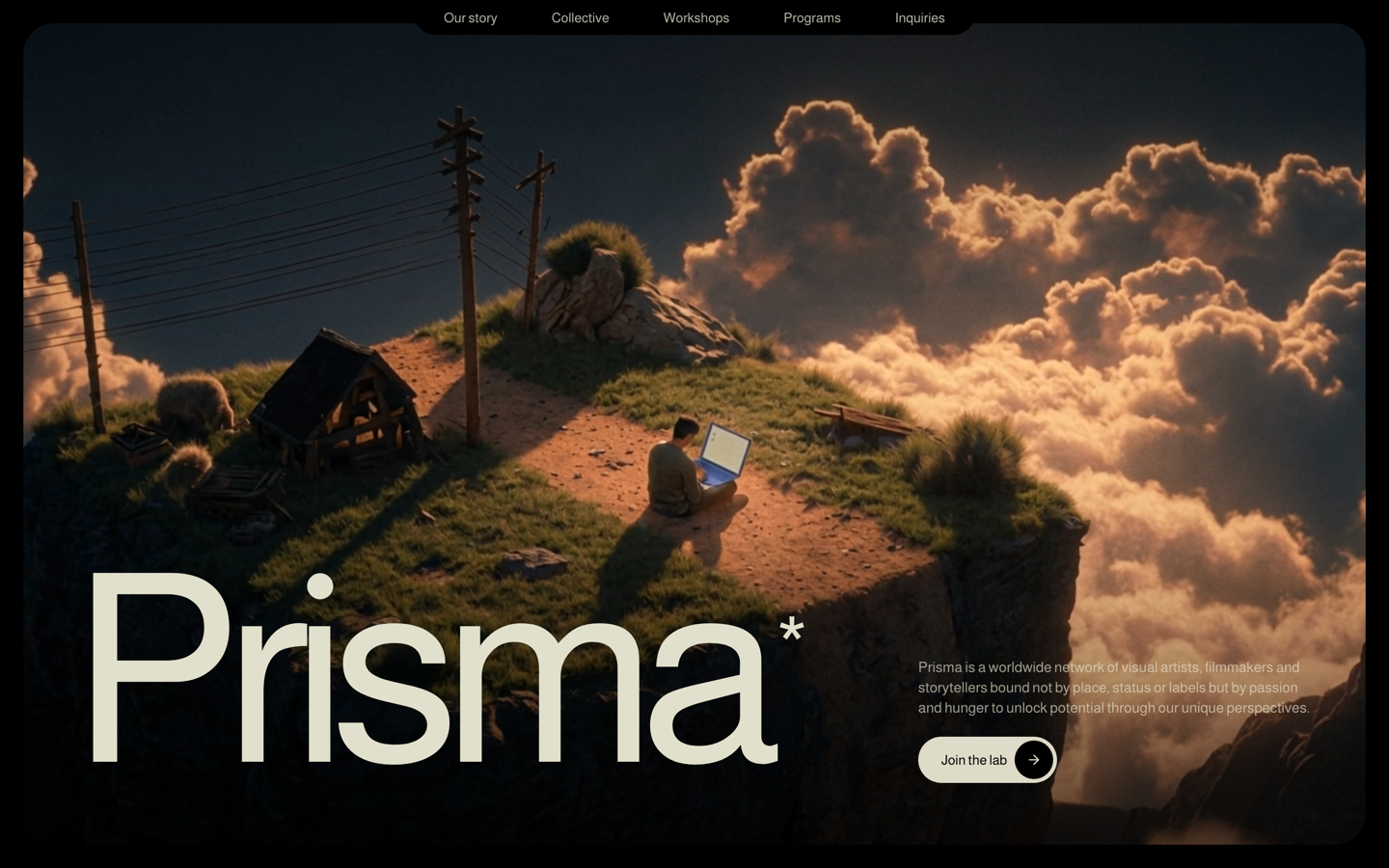
Prisma — Creative Studio
Bold, art-directed studio site with case-study scroll scenes. For brand, graphic and creative designers.
View live demo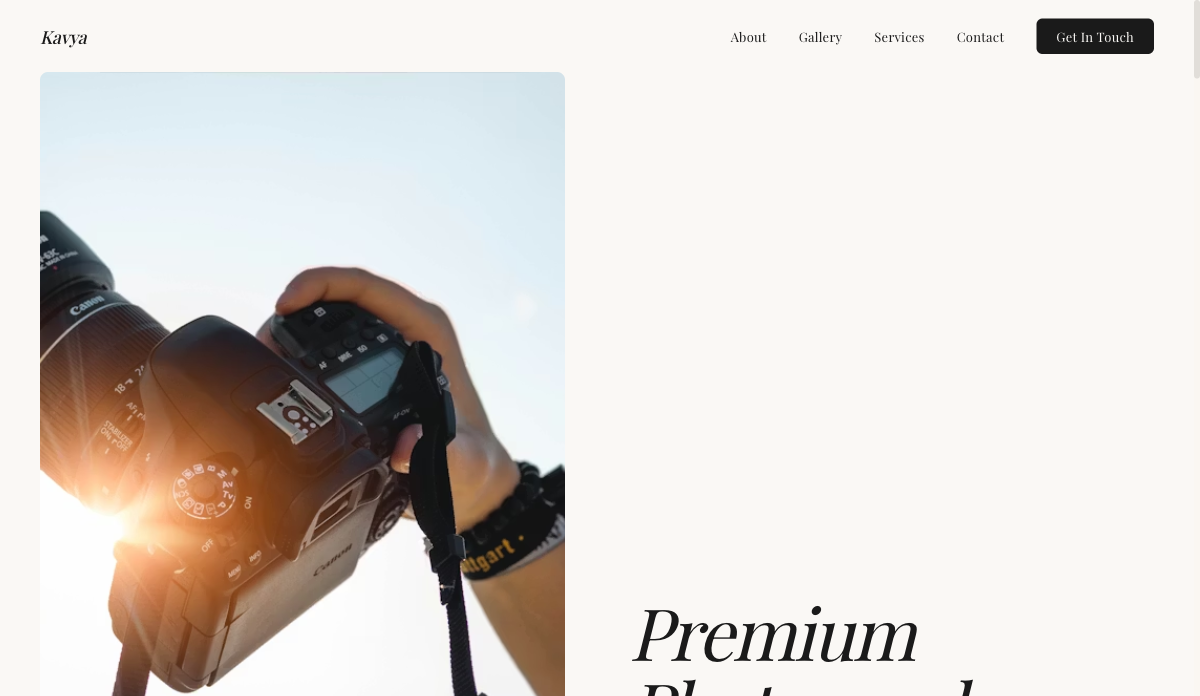 Visual
Photographer — Visual Portfolio
Full-bleed gallery layout with lightbox and category filters. For photographers, visual artists and stylists.
View live demo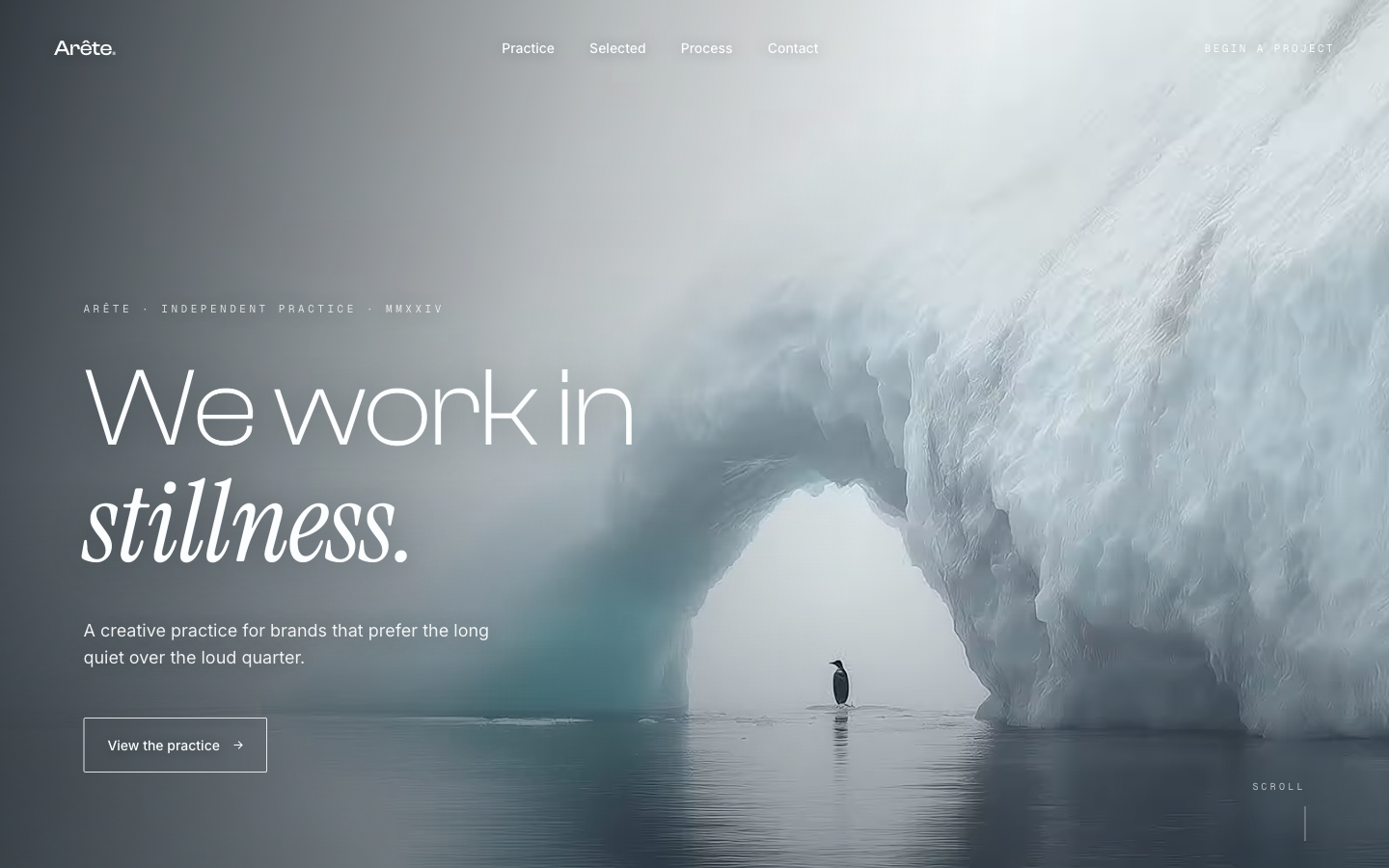 Editorial
Glacial Arch — Editorial
Quiet, editorial landing with refined type and whitespace. For design studios and art directors who want restraint.
View live demoWhich route is right for you?
Choose SitesPlaced if you…
- • Want before/after project pages without assembling them block by block
- • Want enquiries on your own site, with city and budget pre-filled
- • Would rather approve AI-drafted text than write from scratch
- • Want a live, branded site this week — free to publish at yourname.sitesplaced.com
- • Want a custom domain and the badge removed for ₹199/month (a one-time ₹99 for students)
Consider the alternatives if you…
- • Enjoy hand-designing every page and have the hours (Squarespace, Wix)
- • Rely heavily on directory traffic and paid leads (Houzz Pro)
- • Already have a site that converts and just needs photos updated
- • Bill international clients and dollar pricing doesn't matter
Turn your transformations into your best salesperson
Pick a photo-first template, pair your befores and afters, let AI draft the project stories, and publish at yourname.sitesplaced.com in minutes — free to build and publish. Pay ₹199/month only for a custom domain and to remove the badge (a one-time ₹99 for design students).
Build my interior design portfolio →Frequently asked questions
How do I make an interior design portfolio website?
Build it around project stories: each project gets a before shot, the design intent in two or three sentences, and four to eight after photos with one detail close-up. Add services, a short bio and an enquiry form. On SitesPlaced you pick a portfolio template, let AI draft the text, upload your photos and publish free in minutes at yourname.sitesplaced.com — pay ₹199/month only when you want a custom domain and the badge removed.
How long does it take to build an interior design portfolio website?
The website itself takes minutes: in SitesPlaced's data from 469 real builds, 72% of the sites that are live today were published within 10 minutes of being created, and 88% the same day. The real work is curating photos — expect an afternoon pairing befores and afters for five to ten projects. Publish the imperfect version first: in the same data, sites that weren't published on day one mostly never got published at all.
What should an interior designer's portfolio website include?
Five to ten projects with before/after photos, the brief and budget band for each, a materials or moodboard shot per project, your services (full design, turnkey, consultation), a face-and-story about section, client testimonials, and a contact form that asks for city, property type and timeline. That last detail filters serious enquiries from window-shoppers.
Is Houzz enough, or does an interior designer need a website?
Houzz is a useful directory, but it is a marketplace profile — you compete on the same page as every other designer, and the leads belong to the platform. A website is your own ground: your brand, your story, your enquiry form. Most established designers keep a Houzz profile and run their own website as the primary address.
How much does an interior design portfolio website cost?
On SitesPlaced, building and publishing are both free — including premium templates, hosting, SSL and the enquiry form — and your site goes live at yourname.sitesplaced.com. You pay ₹199/month only when you want a custom domain and the SitesPlaced badge removed (AI and higher limits included). Squarespace and Wix publish their rates on their pricing pages and generally land higher per month for an equivalent site.
How do I photograph interiors for my portfolio?
Shoot in daylight with the lights on, keep verticals straight, declutter ruthlessly, and take the before photo from the same angle as the after. A phone on a tripod beats an expensive camera held casually. Export at around 2048px for the web — the builder handles compression and loading speed from there.