
A portfolio that lands internships
Internship recruiters are not expecting years of experience — they are looking for someone who clearly took initiative. A portfolio with real projects is the fastest way to show it, and it is free to build and publish for everyone.
By Manan Agrawal, Founder · Updated June 10, 2026
A portfolio is the strongest edge a student can bring to an internship hunt. It turns your projects into proof, gives you one link to add to every application, and makes you memorable among applicants who only send a résumé. On SitesPlaced it is free to build and publish for everyone, AI writes your content, and you go live at yourname.sitesplaced.com in minutes.
Real student portfolios, live right now
Real students built and published these on SitesPlaced — open any in a new tab to see what a finished one looks like.
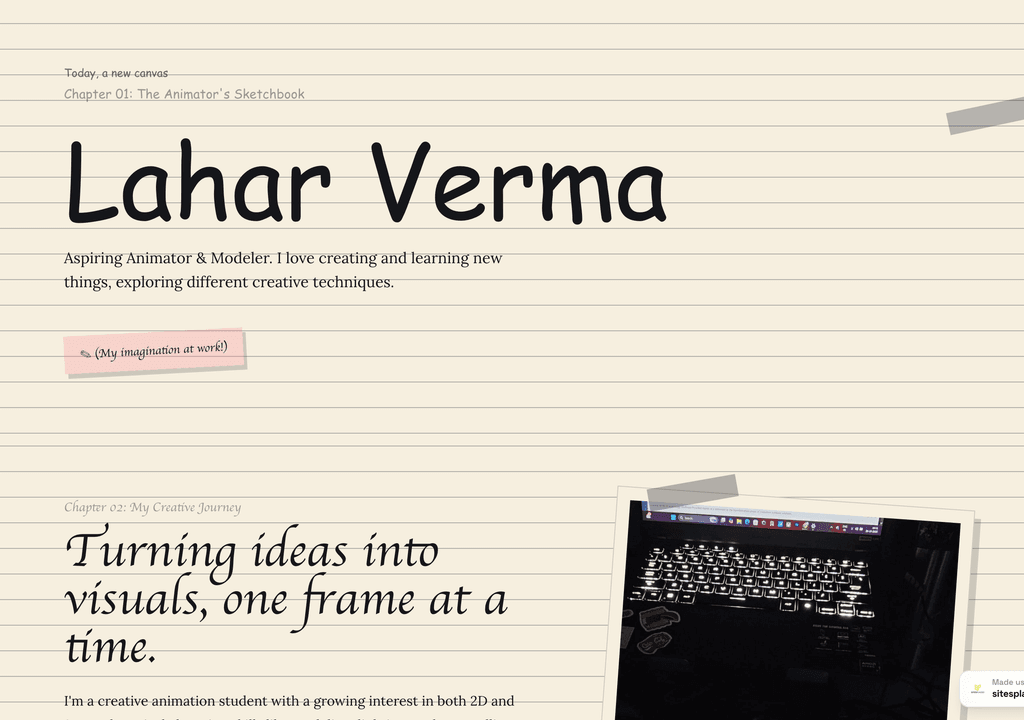
Lahar Verma
An aspiring animator's sketchbook-style portfolio — projects and creative journey, chapter by chapter.
Visit live site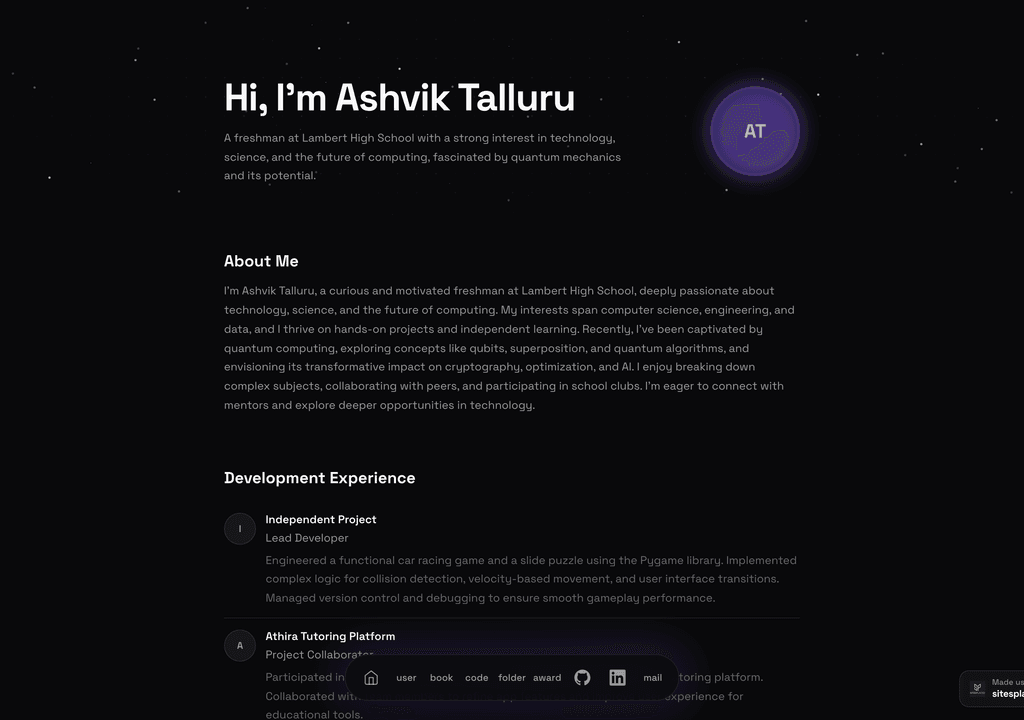
Ashvik Talluru
A computer-science student's project-first portfolio with real builds, experience and links.
Visit live site
Romy Le Roux Knibbs
A brand & communications designer's portfolio — case studies in a polished, gradient-led layout.
Visit live siteGenerate your student portfolio in 60 seconds
Fill in four fields and watch a live preview build itself. When you like it, publish the real thing free on SitesPlaced — AI writes the first draft from your résumé.
No plan, no card. Publish at aisha-verma.sitesplaced.com
Portfolio
Aisha Verma
Software Engineer & Builder
VIT
About
Projects
Experience
Contact
Live preview · your real site is fully editable
Why does a portfolio win internships?
For internships, recruiters know you are early — they are not hunting for a decade of experience. They are looking for signals of initiative and ability: did this person build something, can they explain it, are they worth a few months of mentoring? A portfolio answers all three at a glance.
It also levels the field. You might not have a famous internship on your résumé yet, but a couple of real, openable projects can speak louder than a brand name. The link in your application turns “trust me” into “see for yourself.”
What to put in an internship portfolio
- ✓A one-line intro: who you are and the kind of internship you want
- ✓Three to six projects with working links — course work, hackathons, side projects all count
- ✓A short story per project: what it does and what you learned
- ✓Skills relevant to the role you are applying for
- ✓Any experience, club roles or coursework that supports your case
- ✓A clear contact section and your résumé link
How should you use your portfolio link?
Add it to your résumé header
Put your portfolio link right next to your email and phone so every recruiter sees it first.
Drop it in applications and LinkedIn
Use it in the website field of application forms, your LinkedIn, and any referral message.
Mention it in your cover note
A single line — 'You can see my projects at yourname.sitesplaced.com' — invites the recruiter to click.
Keep it current
Add new projects as you build them, so the link is always your strongest, latest work.
Internship-ready portfolio templates
Live demos you can open and clone — recruiter-ready and free for everyone.
 Popular
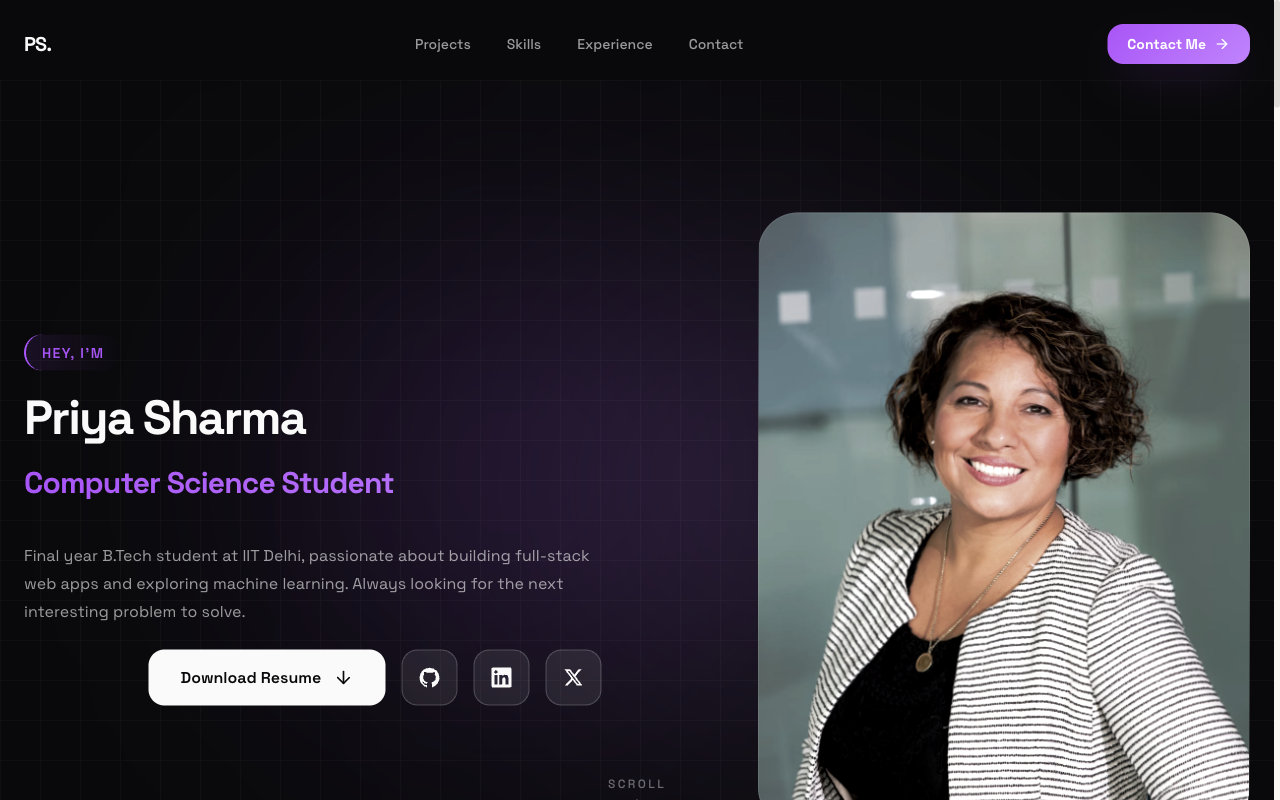
Flagship — Student Portfolio
Recruiter-friendly, projects-first layout. The safe, strong default for placements and internships.
View live demo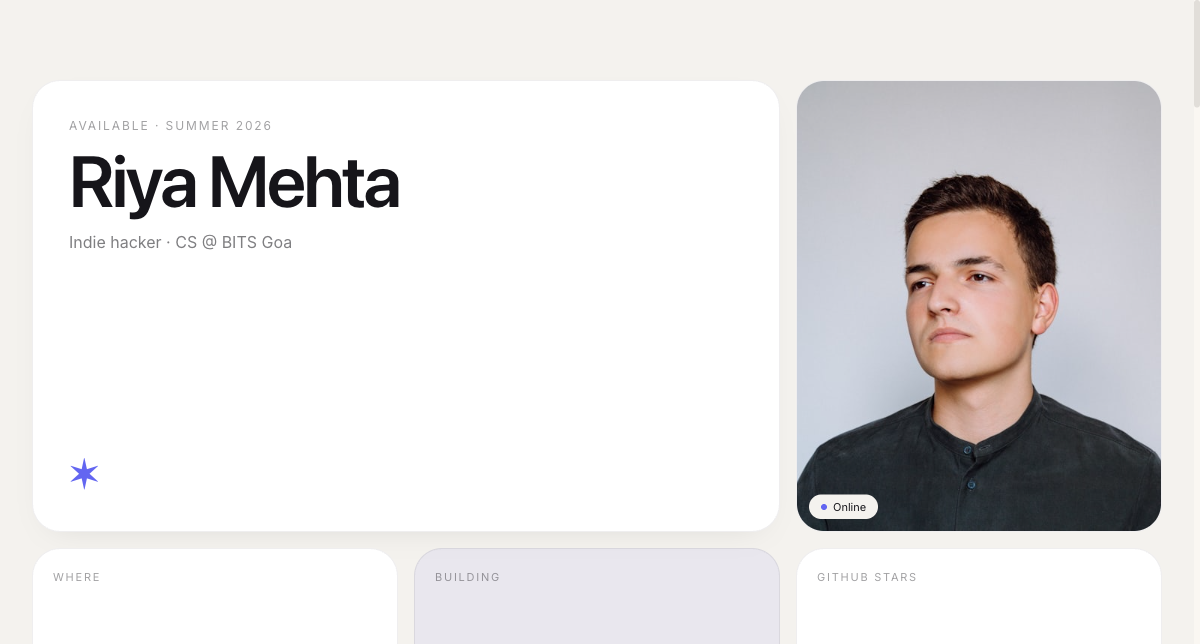 Modern
Bento Portfolio
Apple-style bento grid that organises skills, projects and links into tidy, scannable tiles.
View live demo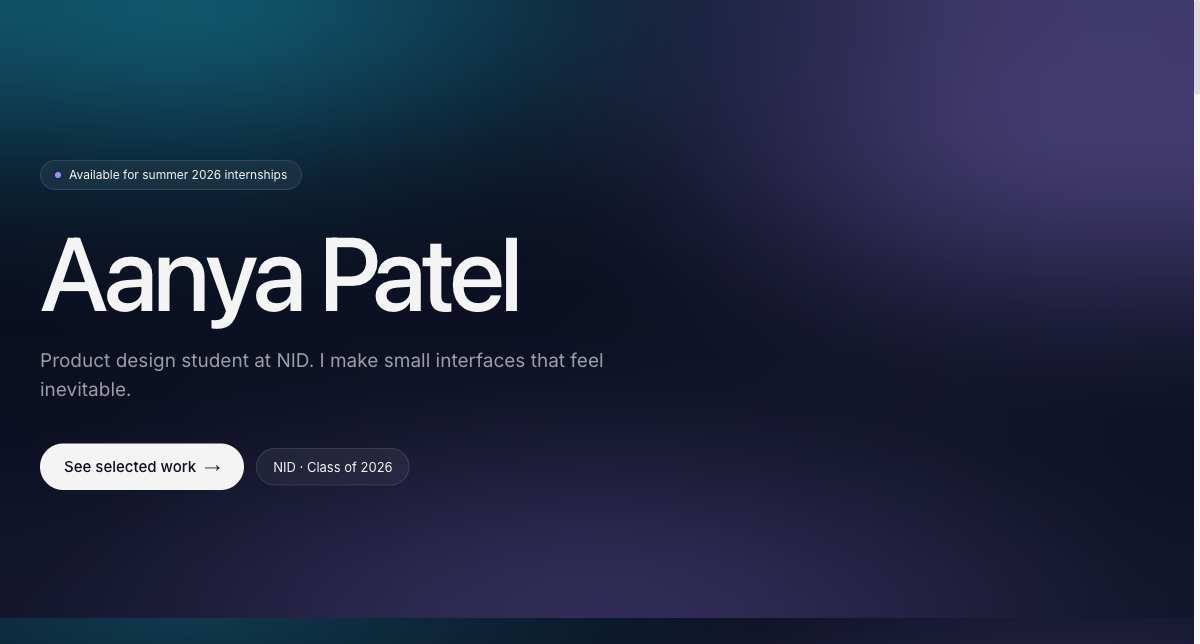 Creative
Aurora Portfolio
Soft-gradient, design-forward portfolio for students who want creative but still professional.
View live demo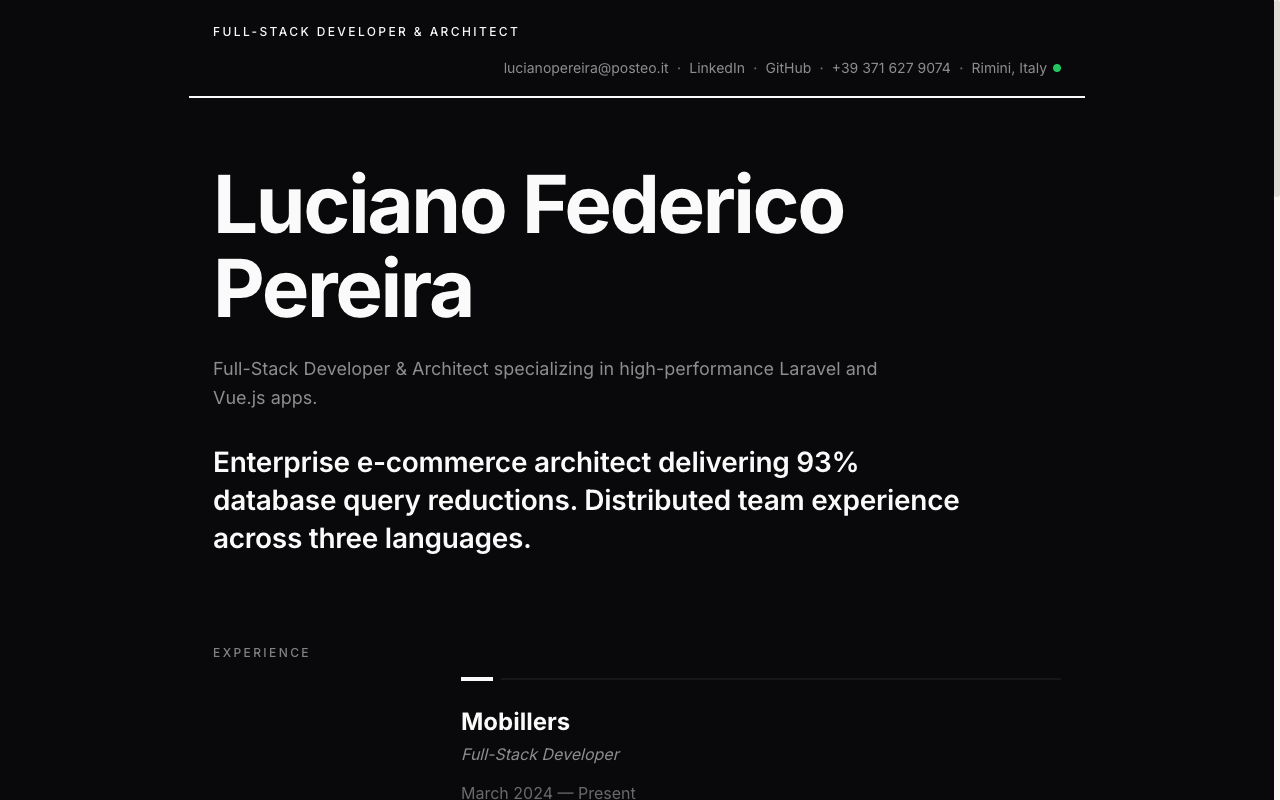 Resume
Resume Portfolio
Your CV as a website — a clean, linkable one-pager recruiters can skim in seconds.
View live demo Editorial
Magazine Portfolio
Editorial magazine layout for design, media and communication students with a strong visual story.
View live demo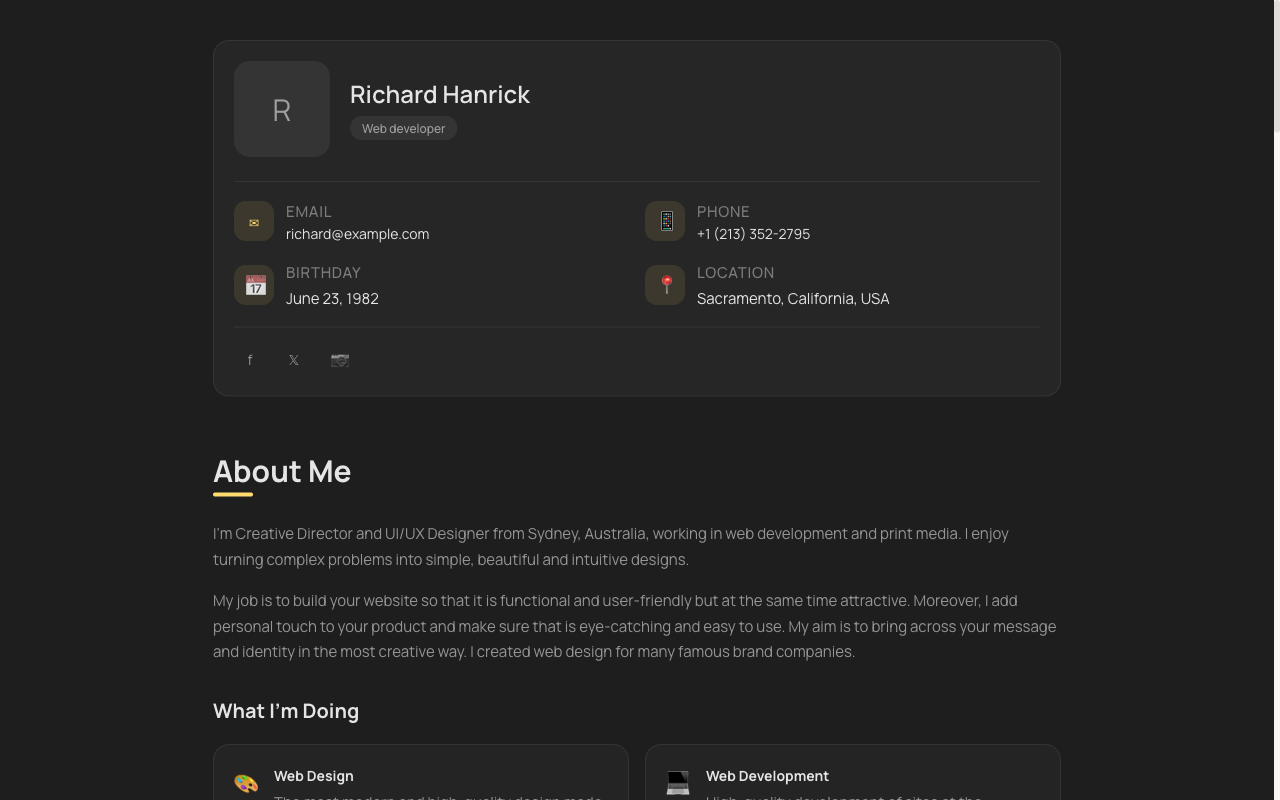 Minimal
vCard Portfolio
Compact digital visiting card — name, role, links and contact in one tidy, shareable page.
View live demoBuild your internship portfolio free
Pick a template, let AI draft your content from your résumé, and publish at yourname.sitesplaced.com in minutes. Free to build and publish, no card — add the link to your applications today.
Build my portfolio free →Frequently asked questions
Do I need a portfolio to get an internship?
You do not strictly need one, but it is one of the biggest advantages you can give yourself. Most internship applicants have similar résumés and little experience, so a portfolio with real projects is what makes you memorable and proves you can actually do the work. On SitesPlaced building and publishing are free for everyone, so it is an easy edge to take.
What should an internship portfolio include?
A one-line intro of who you are and the internship you want, three to six projects with working links, your skills, any prior experience or coursework, and an obvious way to contact you with your résumé. Lead with the work most relevant to the role.
I have no experience — what do I put in my portfolio?
Projects are your experience. Course projects, hackathons, self-built apps, design work, even a strong assignment all count. For an internship, recruiters expect you to be early — they are looking for potential and initiative, which projects demonstrate perfectly.
How do I use my portfolio in internship applications?
Put the link in your résumé header, your LinkedIn, and any application form's website field, and mention it in your cover note. When a recruiter or referral can open one link and see your projects, you stand out from applicants who only attach a PDF.
Is the internship portfolio builder free?
Yes. Everyone builds and publishes on SitesPlaced for free, premium templates included, with no card and no coding — your portfolio goes live at yourname.sitesplaced.com with a small “Made using sitesplaced.com” badge. You can have an internship-ready portfolio live in minutes.