


How long does it take to make a website? Data from 469 real builds
By Manan Agrawal, Founder · Published July 4, 2026
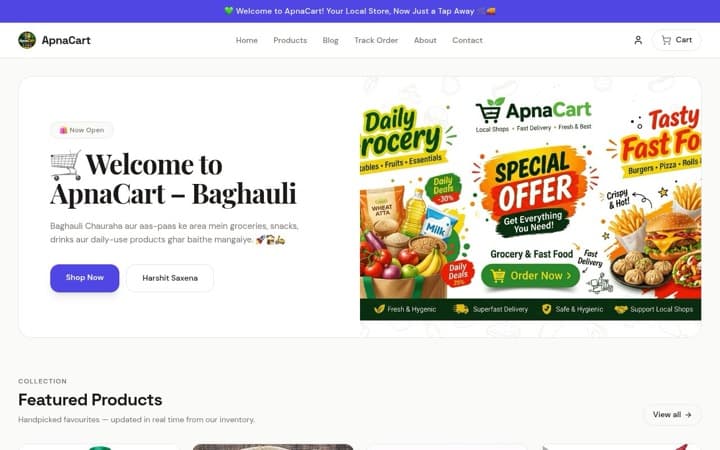
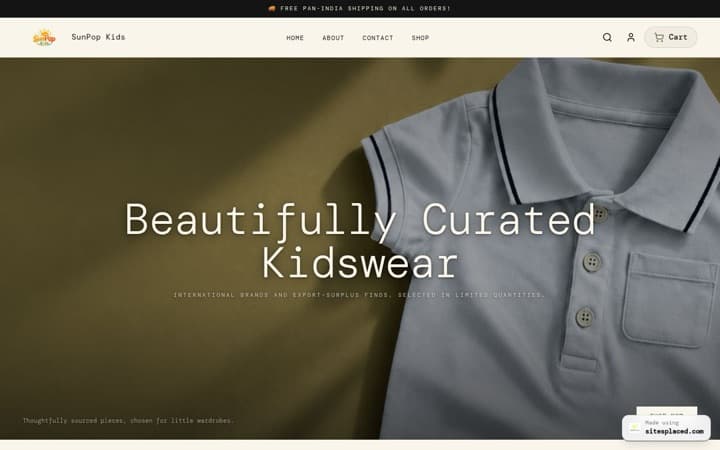
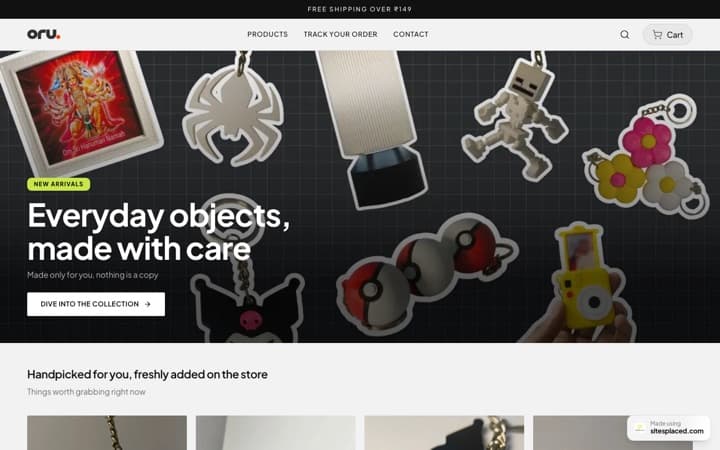
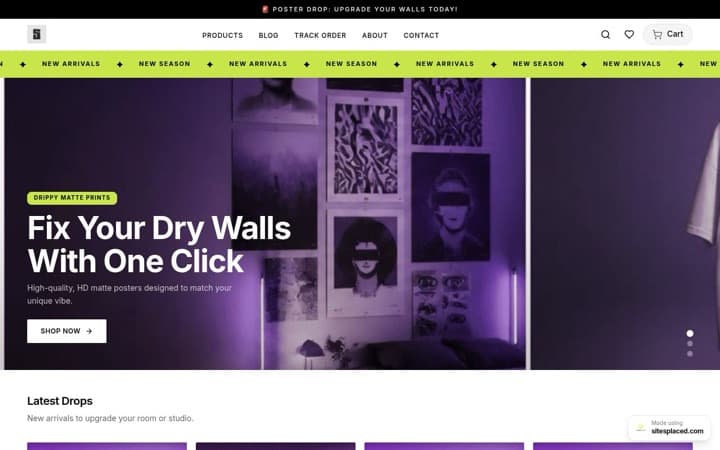
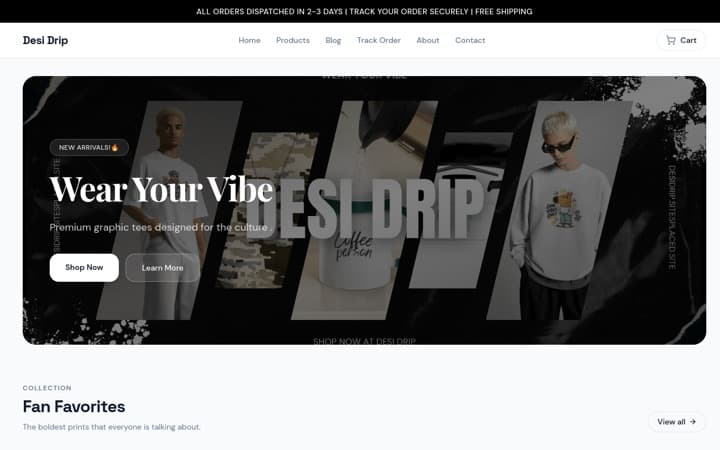
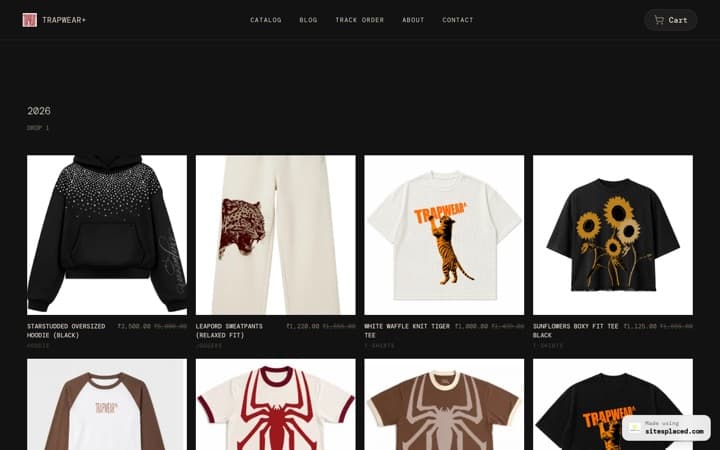
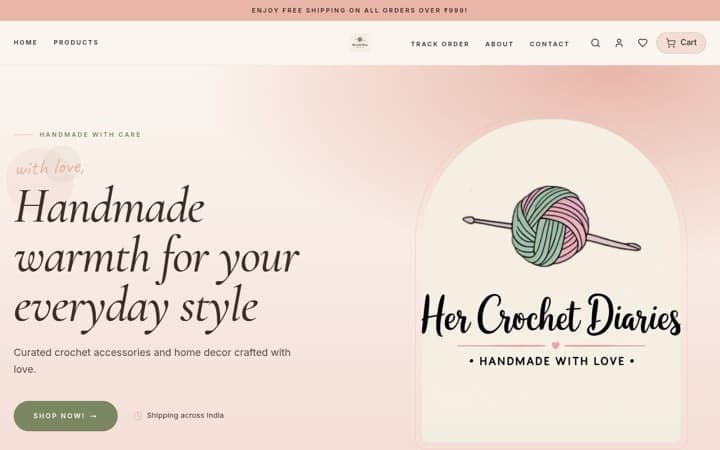
Making a website takes under 10 minutes for most people — when the site is generated for them. Of the 325 live sites in this study, 72% went from blank account to published site within 10 minutes; 88% published the same day they started. This isn’t a survey or an estimate: it’s measured from creation and publish timestamps of real websites and stores built on SitesPlaced between February and July 2026.
of live sites were created, finished and published in under 10 minutes
products in the median small online store at launch
median product price across all small-seller stores
more store traffic from social (Instagram + Facebook) than from search
Methodology (read this before quoting us)
We took a snapshot of the SitesPlaced database on July 4, 2026: 469 sites created between February and July 2026, of which 325 are published and live. Build time is measured as the window from a site’s creation timestamp to its last edit — for a published site, everything (building, editing, publishing) happened inside that window, so “published within 10 minutes” is a true upper bound, not marketing rounding. Product and pricing stats cover 644 products across 85 stores; traffic stats come from our store-analytics beacon (launched late June 2026). Everything is an anonymized aggregate: no individual seller, site or buyer is identifiable, and we deliberately do not publish revenue or order-volume figures.
One honest caveat: SitesPlaced generates the first draft of every site from a description or an Instagram import, so these build times describe generated builders. If you assemble a site by hand in a drag-and-drop editor, expect hours; on WordPress, a weekend. That comparison is the subject of our guide to the easiest way to make a website.
Finding 1 — publishing happens in minutes or never
The distribution of build times is not a bell curve — it’s a cliff. 72% of sites that are live today were published within 10 minutes of being created. Another 8% took up to an hour, and another 8% up to a day. Sites that weren’t published on day one mostly never got published at all.
The practical lesson for anyone starting a website: momentum is the whole game. Publish the imperfect version in your first sitting — you can edit a live site forever, but an unpublished draft has a short shelf life.
Finding 2 — real stores launch with 6 products at ₹450
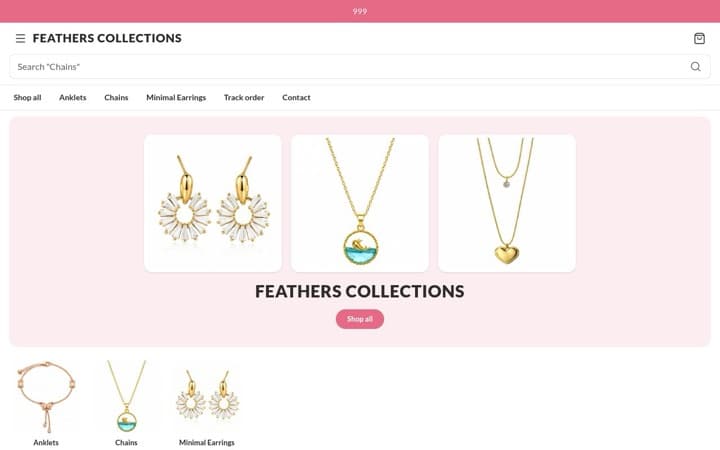
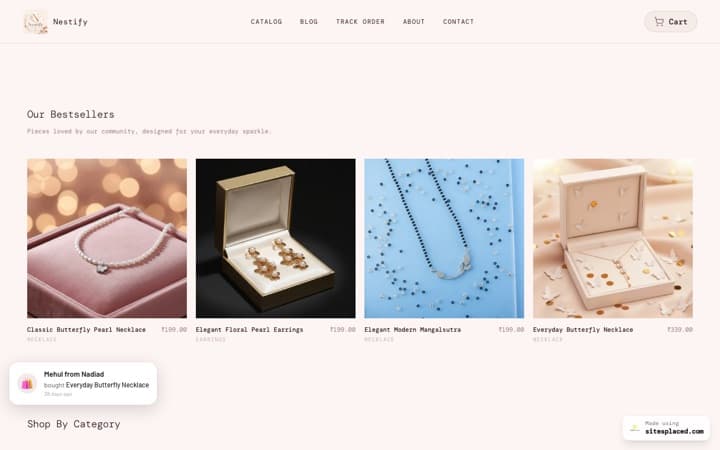
The median store on SitesPlaced lists 6 products (average ~8, and the biggest lists 181). The median product costs ₹450, with the middle half of all products priced between ₹250 and ₹850 — the price band of earrings, accessories and small gifts, which fits the biggest niche we see: jewellery accounts for roughly 3 in 10 products listed. About 25% of products are on sale at any given time, with a median discount of 29%, and just under half of all products have stock tracking turned on.
If you’re waiting to launch until your catalogue is “complete”: the sellers actually taking orders started with six things and a WhatsApp number — nearly half of all stores connect WhatsApp for checkout and order chat.
Finding 3 — social beats search 4.6× for store traffic
In store-analytics data, Instagram and Facebook together send roughly 4.6× more visitors to small stores than Google search does. Devices split almost evenly — 47% mobile, 48% desktop, 5% tablet — and the busiest shopper regions are Delhi, Maharashtra, Haryana, Tamil Nadu and Uttar Pradesh.
Two takeaways. First: in your first months, your Instagram bio link is worth more than your Google ranking — the store’s job is to convert social attention into orders, which is why UPI, COD and WhatsApp checkout matter more than SEO plugins. Second: search compounds later — the stores that also publish product pages Google can index start collecting search traffic on top of their social base.
Finding 4 — how small-store buyers actually pay
Among orders placed on SitesPlaced stores so far, person-to-person settlement still rules: for every order paid through an online gateway, roughly two are settled directly — UPI agreed over WhatsApp, or cash on delivery. This is why “easy” ecommerce in India can’t mean “card checkout only”: the builders that work here treat WhatsApp and COD as first-class payment paths, not afterthoughts.
Frequently asked questions
How long does it take to make a website in 2026?
With a generated builder: minutes, not days. Across 325 live sites on SitesPlaced, 72% were created, edited and published within 10 minutes of starting, 80% within the first hour, and 88% within the same day. With drag-and-drop builders the same job typically takes 1–3 hours; WordPress takes a weekend; an agency takes 2–6 weeks.
How many products should I launch my online store with?
Fewer than you think. The median SitesPlaced store lists 6 products, and the average is about 8. Real sellers launch small and add products as orders come in — waiting until you have 50 products photographed is the most common way a store never launches at all.
What do products on small Indian online stores cost?
The median product price across 644 products on SitesPlaced stores is ₹450, with the middle half of products priced between roughly ₹250 and ₹850. About a quarter of all products are on sale at any time, with a median discount of 29%.
Where does traffic to a small online store come from?
Mostly social, not search. In our store-analytics data, Instagram and Facebook send roughly 4–5× more visitors to small stores than Google does. If you sell on Instagram, your bio link and story links matter more than SEO in your first months — the website's job is to convert that social traffic into orders.
Do shoppers browse small stores on mobile or desktop?
Almost evenly split: 47% mobile, 48% desktop, 5% tablet in our data. The lesson is that your store must be genuinely good on both — not a desktop site that tolerates phones, and not a mobile page that looks empty on a laptop.
What do most people build — websites or stores?
Roughly three quarters of sites built on SitesPlaced are websites and portfolios; one quarter are online stores. Jewellery is the single biggest store niche — earrings, pendant sets and necklaces alone account for roughly 3 in 10 of all products listed.
Cite or reuse this data
These statistics are original SitesPlaced platform data (snapshot July 4, 2026, anonymized aggregates). You are welcome to quote them with attribution and a link to this page — licensed CC BY 4.0. For press questions or the underlying aggregate tables, email admin@sitesplaced.com.
Be one of the 10-minute publishers
Describe your website or paste your Instagram handle — review the site it builds, publish free in one sitting.