

Small business ideas for women from home in India — 15 ideas, what each needs, and what it costs to start
The home businesses that work are the ones that start from a skill you already have, cost a few thousand rupees to begin, and can take orders on WhatsApp and a free online store from day one. Below are 15 of them across food, handmade, fashion, beauty, kids and services that sell a product, each with what it needs, an example start cost, where it sells and the one risk to plan for.
Key takeaway: pick the idea where you already own the tool and the skill, not the one with the biggest market. Start with ten customers you can reach on WhatsApp. Put a bank account and a UPI ID in your own name, get the paperwork your category needs, and open a free store so the menu, the prices and the payment live somewhere you do not have to retype. The first two months are slow for everyone; that is normal, not a verdict.
TL;DR
- • Cheapest to start: crochet, worksheets as downloads, mehendi cones, hand-painted stationery.
- • Needs stock up front: kurti curation and imitation jewellery; start with a small lot.
- • Local only: fresh cakes and tiffins. Ships all India: pickles, snacks, candles, jewellery, crafts.
- • Paperwork: FSSAI for food, cosmetics rules for soap and oils, Udyam registration for everyone, GST depending on your case. Confirm each with the authority or a CA.
- • Orders: WhatsApp first, then a free store with UPI through your own gateway account, cash on delivery and WhatsApp checkout.
How to choose from the list
Three questions sort the fifteen ideas quickly. What do I already know how to make or do well? A business built on a skill you have beats one you must learn while also learning to sell. What can I sell to people I can already reach? Your family groups, your colony, your old colleagues and your children’s school are your first hundred customers; pick something they would buy. Does it ship, or is it local? Fresh food and stitching are local businesses that grow by word of mouth in one city. Pickles, candles, jewellery and crafts can go anywhere by courier, which means Instagram and a store matter more.
The start costs below are examples with round numbers, to show the shape of each idea. Prices differ by city and supplier, and almost every number drops if you already own the main tool.
Food
Selling food generally needs FSSAI registration or a licence; the official portal is foscos.fssai.gov.in. Confirm what applies to your kitchen and your volume before the first sale.
Home bakery: cakes, cookies, brownies
- What it needs: An oven (an OTG is enough to start), tins, a weighing scale, cake boxes.
- Example start cost: ₹3,000 to ₹5,000 if you already own an oven; ₹10,000 to ₹15,000 if not.
- Where it sells: Same city, same day. Dry bakes (cookies, brownies, plum cakes) can be couriered.
- Taking orders online, free: A menu with prices on a free store, WhatsApp checkout for custom cakes, an advance by UPI.
- The risk to plan for: Perishable; a cancelled custom order is a loss. Take an advance.
Pickles, papad, masalas, chutneys
- What it needs: Glass or PET jars, labels, raw material in season, a dry place to cure.
- Example start cost: ₹3,000 to ₹6,000 for the first batch and packaging.
- Where it sells: All India by courier; buyers are people who miss home food.
- Taking orders online, free: Jar sizes as variants, a flat delivery charge, cash on delivery with a small COD charge.
- The risk to plan for: Leaks in transit. Tape every lid and double-bag the jar.
Tiffin or meal boxes for office-goers and students
- What it needs: Steel or disposable containers, a weekly menu, a short delivery radius.
- Example start cost: ₹2,000 to ₹4,000 for containers and the first week’s groceries.
- Where it sells: Your own locality only; delivered by you or a local rider.
- Taking orders online, free: Weekly plans as products, paid in advance by UPI; the menu on the store, the chat on WhatsApp.
- The risk to plan for: Daily commitment. Start with ten customers, not fifty.
Healthy snacks: laddoos, millet cookies, roasted namkeen
- What it needs: Airtight pouches or jars, a nutrition line on the label, a scale.
- Example start cost: ₹3,000 to ₹6,000.
- Where it sells: All India; gifting in the festive and wedding season.
- Taking orders online, free: Pack sizes as variants, a combo product for gifting, a free-delivery threshold.
- The risk to plan for: Shelf life. Print the packing date and the best-before date.
Handmade
Soaps, oils, scrubs and anything applied to the skin are cosmetics and have their own rules; CDSCO is the authority. Confirm what applies before selling.
Candles and soaps
- What it needs: Wax or soap base, moulds, fragrance, wicks, jars, a thermometer.
- Example start cost: ₹4,000 to ₹8,000 for a first run of 40 to 60 pieces.
- Where it sells: All India; strong gifting demand from Diwali to Christmas and through the wedding season.
- Taking orders online, free: Scents as variants, a gift-wrap extra on each product, hampers for the season.
- The risk to plan for: Heat in transit and breakage. See our fragile-packing guide.
Crochet and knitted items: baby sets, amigurumi, bags
- What it needs: Yarn, hooks or needles, a good lamp, patience.
- Example start cost: ₹1,000 to ₹2,500 in yarn to begin.
- Where it sells: All India; parents and gift buyers.
- Taking orders online, free: Made-to-order products with a text field for colour and name, a two-week dispatch note on the page.
- The risk to plan for: Your hours. Price the time, not just the yarn.
Resin or clay jewellery and home décor: coasters, trays, earrings
- What it needs: Resin or clay, moulds, pigments, findings, a ventilated space, gloves.
- Example start cost: ₹3,000 to ₹6,000.
- Where it sells: All India; Instagram-led.
- Taking orders online, free: Sets as products, a photo-upload field for custom pieces (initials, dried flowers).
- The risk to plan for: Fragile and time-consuming. Double box; quote dispatch dates you can keep.
Hand-painted or block-printed stationery and gifts: diaries, bookmarks, name plates
- What it needs: Blank diaries, paints or blocks, a cutting mat, packaging.
- Example start cost: ₹2,000 to ₹5,000.
- Where it sells: All India; return gifts, teachers’ day, weddings.
- Taking orders online, free: A personalisation text field on each product; bulk sets as separate products.
- The risk to plan for: Low ticket size. Sell sets and bundles, not single bookmarks.
Fashion
Kurti and suit-set curation from wholesale markets
- What it needs: A first lot of stock, a plain wall and daylight for photos, a measuring tape for the size chart.
- Example start cost: ₹10,000 to ₹20,000 for the first lot.
- Where it sells: All India; most buyers come from Instagram and WhatsApp.
- Taking orders online, free: Sizes and colours as variants with stock counts, a size chart on each page, COD with a charge.
- The risk to plan for: Unsold stock and returns. Start with few designs in many sizes, not many designs in one.
Blouse stitching and alterations, plus ready-to-wear blouses
- What it needs: A sewing machine, fabric, linings, hooks, a measurement form.
- Example start cost: ₹2,000 in fabric if you own a machine; ₹8,000 to ₹12,000 for a machine if not.
- Where it sells: Stitching locally; ready blouses in standard sizes all India.
- Taking orders online, free: Ready blouses as products; a measurement text field or a WhatsApp conversation for custom work.
- The risk to plan for: Fit disputes. Write the measurement guide once and send it every time.
Imitation and oxidised jewellery curation
- What it needs: A first lot from a wholesale market or a maker, pouches, small boxes, a phone with a steady hand.
- Example start cost: ₹5,000 to ₹10,000.
- Where it sells: All India; wedding season is the peak.
- Taking orders online, free: Sets as products, a trust line about the plating and care, tracked shipping.
- The risk to plan for: Tarnish complaints. Say what the base metal is and how to store it.
Beauty
Mehendi artist with cones and aftercare oil as products
- What it needs: Your skill, fresh henna, cones, a portfolio of your own work.
- Example start cost: ₹1,500 to ₹3,000 for cones and packaging.
- Where it sells: Bookings locally; cones and oil by courier all India.
- Taking orders online, free: Cones and oil as products; a bookings product for wedding and festival dates, paid by UPI advance.
- The risk to plan for: Seasonal. Cones carry the slow months.
Herbal hair oil, ubtan, bath salts
- What it needs: Ingredients, bottles with good caps, labels with ingredients listed, patch-test habit.
- Example start cost: ₹3,000 to ₹6,000.
- Where it sells: All India; repeat buyers once it works for them.
- Taking orders online, free: Sizes as variants, a subscription-style refill reminder sent by hand on WhatsApp.
- The risk to plan for: Cosmetics rules and leaks. Confirm the rules; seal every cap.
Kids and learning
Kids’ activity kits, busy books, felt toys
- What it needs: Felt, Velcro, safe glue, printed cards, zip pouches.
- Example start cost: ₹3,000 to ₹6,000.
- Where it sells: All India; parents on Instagram, birthday return gifts.
- Taking orders online, free: Age groups as variants, a name-personalisation field, a bundle for parties.
- The risk to plan for: Safety. Label small parts, avoid loose beads for under-threes.
Printable worksheets and lesson plans as digital downloads
- What it needs: Your teaching experience, Canva or a word processor, a laptop.
- Example start cost: ₹0 to ₹1,000.
- Where it sells: Anywhere, with no shipping at all.
- Taking orders online, free: A download product delivered on payment. The free store allows one live download; more need the Growth plan.
- The risk to plan for: Copying. Watermark previews and sell bundles.
All 15 at a glance
| # | Idea | Example start cost | Local or all India |
|---|---|---|---|
| 1 | Home bakery: cakes, cookies, brownies | ₹3,000 to ₹5,000 if you already own an oven; ₹10,000 to ₹15,000 if not | Same city, same day. Dry bakes (cookies, brownies, plum cakes) can be couriered |
| 2 | Pickles, papad, masalas, chutneys | ₹3,000 to ₹6,000 for the first batch and packaging | All India by courier |
| 3 | Tiffin or meal boxes for office-goers and students | ₹2,000 to ₹4,000 for containers and the first week’s groceries | Your own locality only |
| 4 | Healthy snacks: laddoos, millet cookies, roasted namkeen | ₹3,000 to ₹6,000 | All India |
| 5 | Candles and soaps | ₹4,000 to ₹8,000 for a first run of 40 to 60 pieces | All India |
| 6 | Crochet and knitted items: baby sets, amigurumi, bags | ₹1,000 to ₹2,500 in yarn to begin | All India |
| 7 | Resin or clay jewellery and home décor: coasters, trays, earrings | ₹3,000 to ₹6,000 | All India |
| 8 | Hand-painted or block-printed stationery and gifts: diaries, bookmarks, name plates | ₹2,000 to ₹5,000 | All India |
| 9 | Kurti and suit-set curation from wholesale markets | ₹10,000 to ₹20,000 for the first lot | All India |
| 10 | Blouse stitching and alterations, plus ready-to-wear blouses | ₹2,000 in fabric if you own a machine; ₹8,000 to ₹12,000 for a machine if not | Stitching locally |
| 11 | Imitation and oxidised jewellery curation | ₹5,000 to ₹10,000 | All India |
| 12 | Mehendi artist with cones and aftercare oil as products | ₹1,500 to ₹3,000 for cones and packaging | Bookings locally |
| 13 | Herbal hair oil, ubtan, bath salts | ₹3,000 to ₹6,000 | All India |
| 14 | Kids’ activity kits, busy books, felt toys | ₹3,000 to ₹6,000 | All India |
| 15 | Printable worksheets and lesson plans as digital downloads | ₹0 to ₹1,000 | Anywhere, with no shipping at all |
Example figures only. Your costs depend on what you already own and where you buy.
The paperwork, kept short
- A bank account and UPI ID in your own name. Not a shared one. It keeps the money and the records yours, and every payment provider will ask for it.
- Food: FSSAI registration or licence, depending on your size and what you make. Portal: foscos.fssai.gov.in. Print the number on your label once you have it. More in how to sell homemade food online in India.
- Soap, oils, skincare: cosmetics have their own rules; CDSCO is the authority. Confirm before you sell.
- Udyam registration: the government’s registration for small businesses, free on the official portal. It helps with bank accounts and some schemes. See Udyam registration for online sellers.
- GST: depends on turnover, what you sell and where. Do not take the threshold from a blog; read do you need GST to sell online in India and confirm with a CA.
Taking orders online, for free
Begin on WhatsApp, because that is where your first customers are. A photo, a price, a UPI QR code and a delivery date is a complete order system for the first month. Our free UPI QR code generator makes the code; selling on WhatsApp covers the rest.
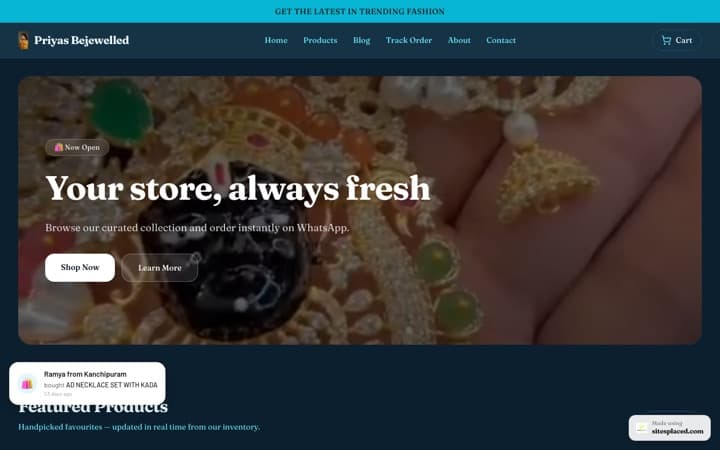
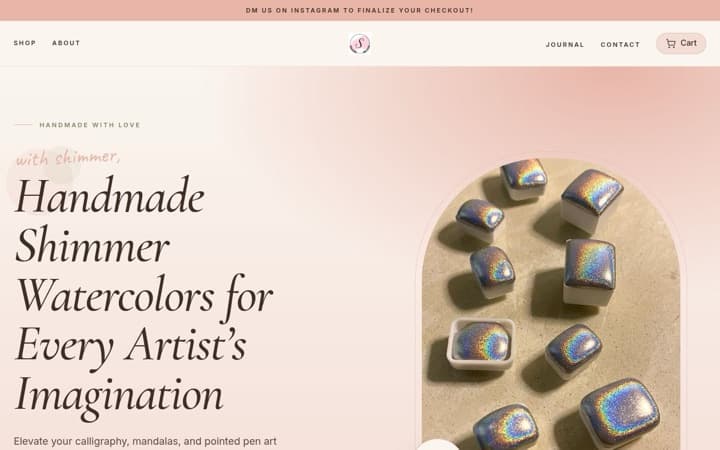
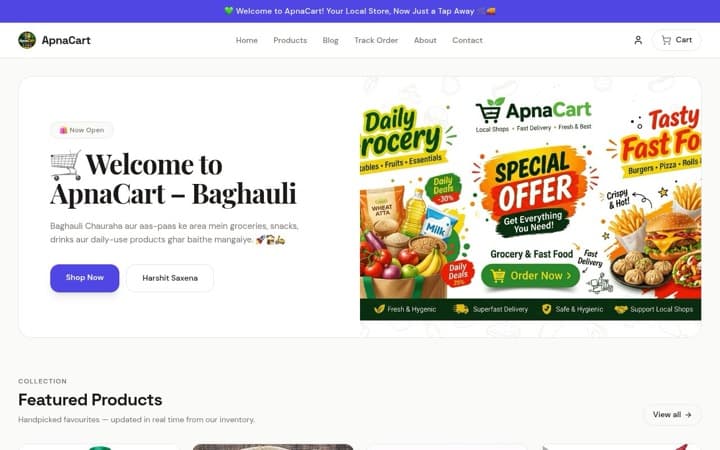
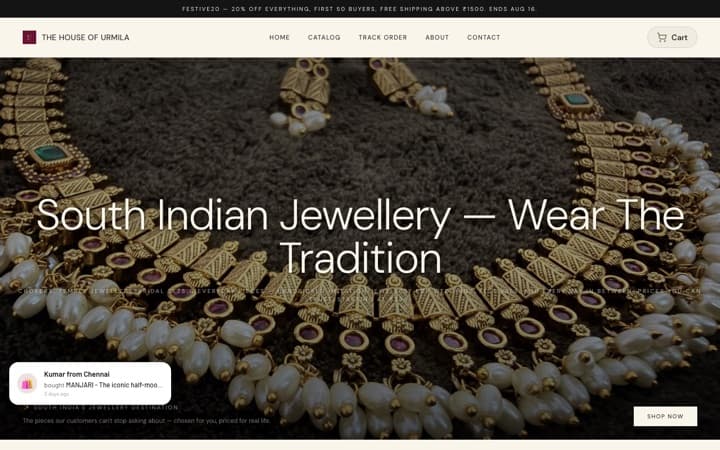
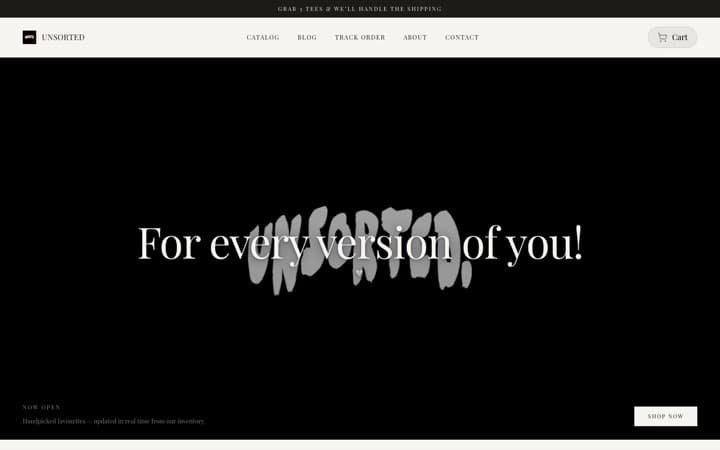
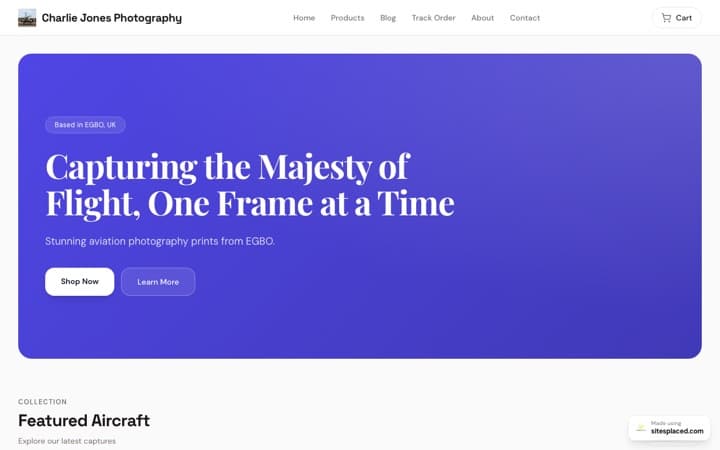
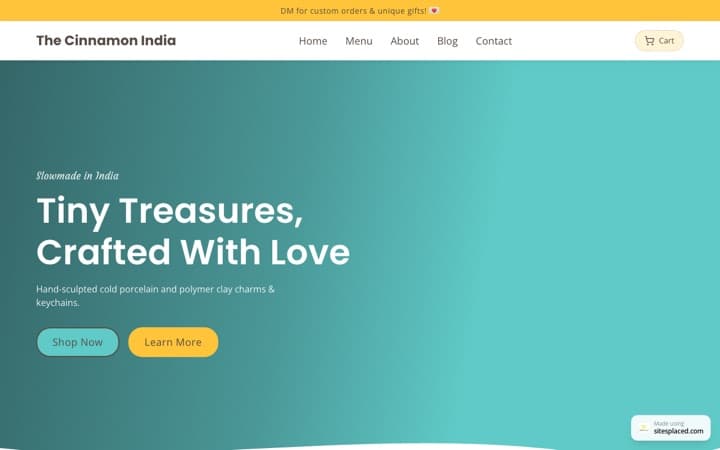
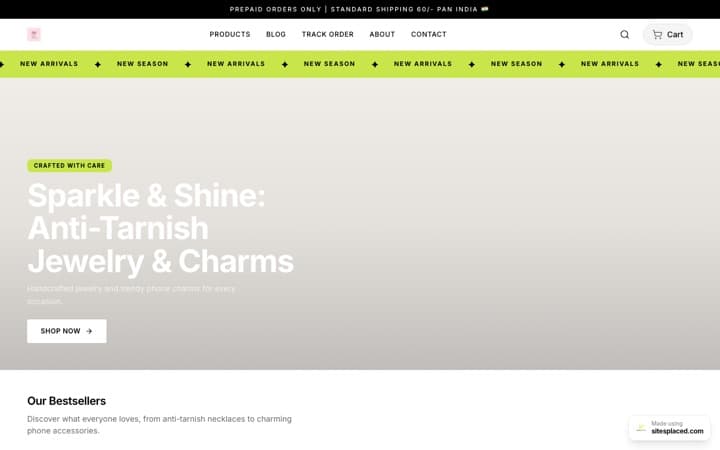
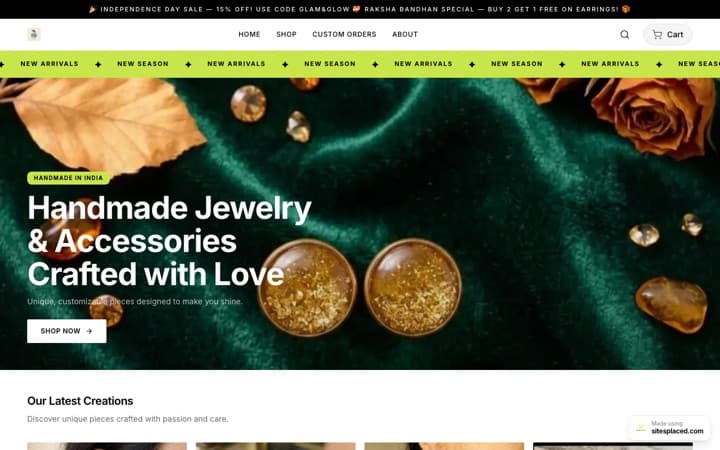
The moment you are retyping the same menu and prices into chats, open a store. A free SitesPlaced store gives you unlimited products with variants (sizes, flavours, colours), UPI, cards and net banking through your own Razorpay, PhonePe or Cashfree account, cash on delivery with an optional COD charge, WhatsApp checkout for the orders that need a conversation, coupons, a free-delivery bar, invoices with your UPI ID on them, and Shiprocket or Shipmozo for couriers. It lives at a free address like yourname.sitesplaced.site, with a small SitesPlaced badge, and takes 0% commission. The one limit to know for idea 15: the free plan allows one live download product; more need the Growth plan.
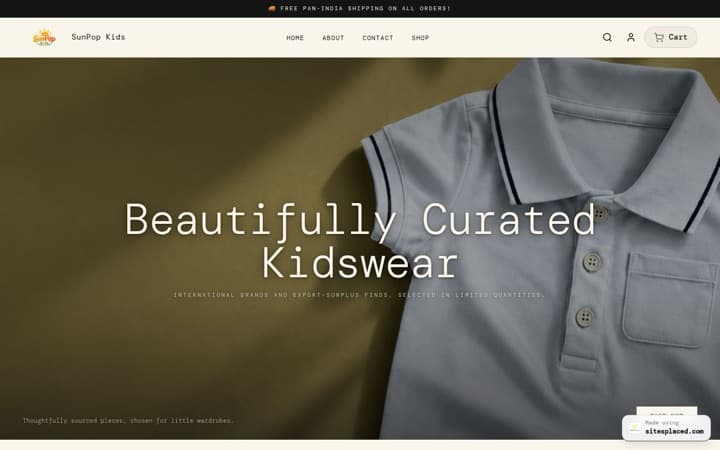
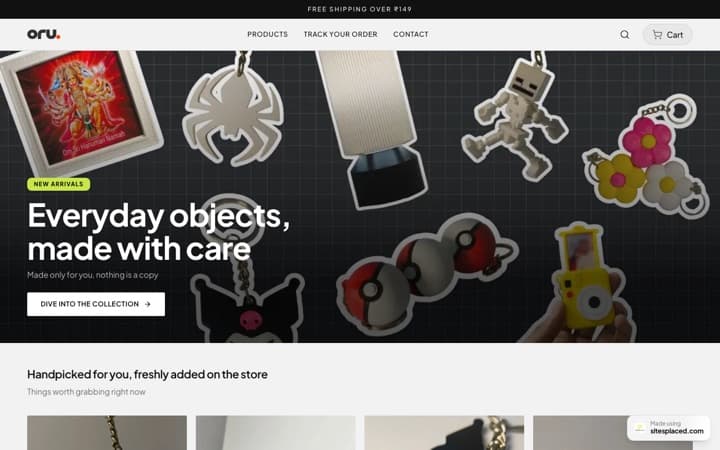
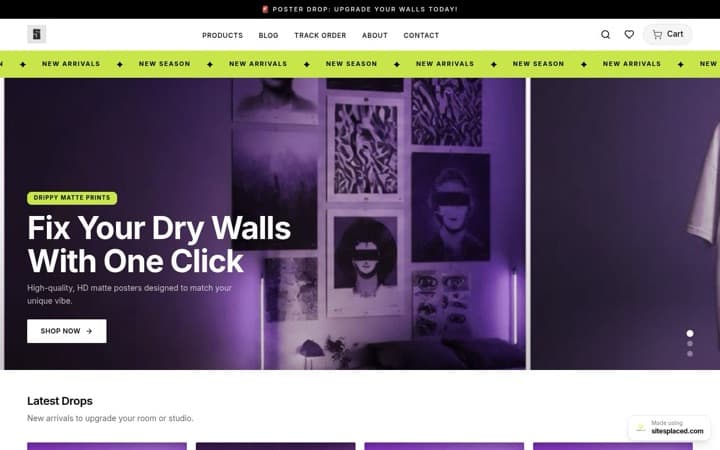
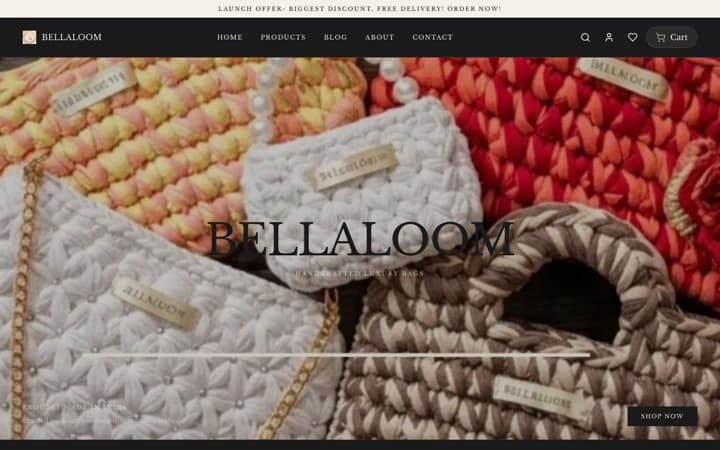
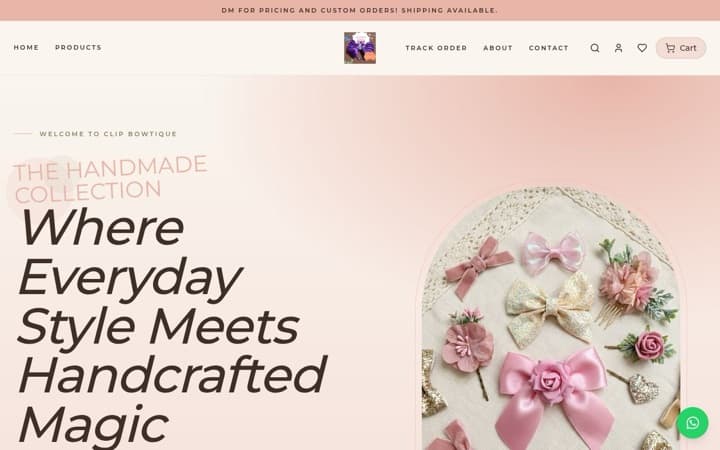
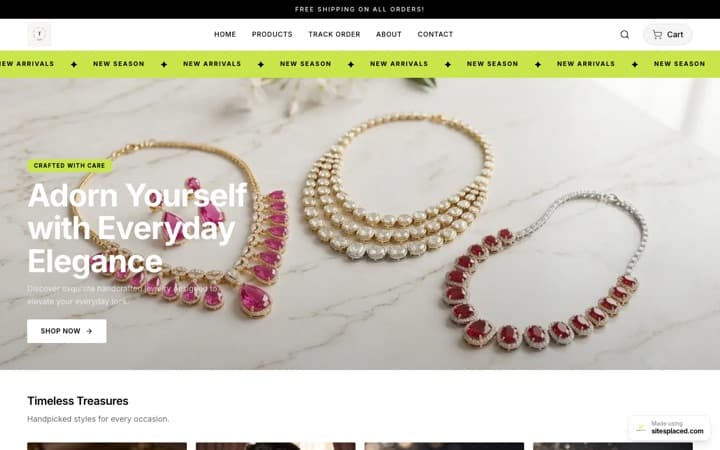
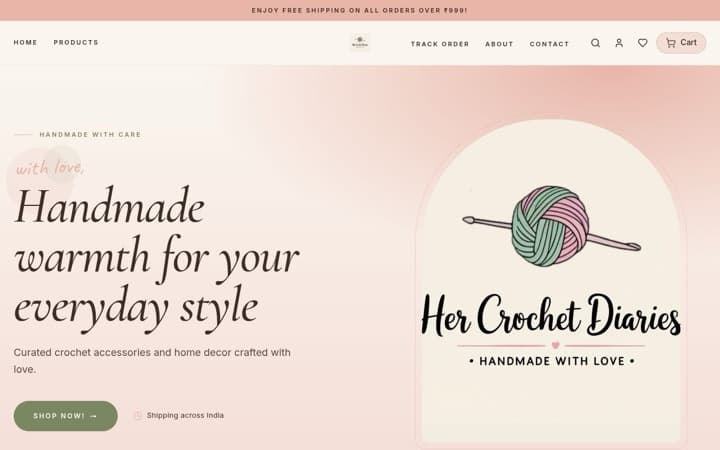
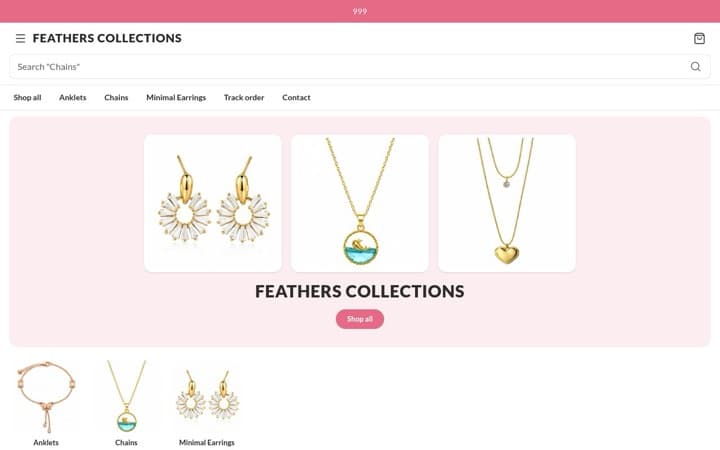
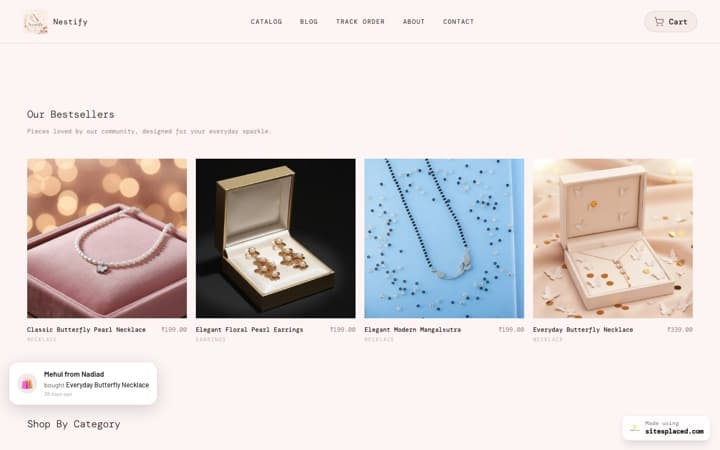
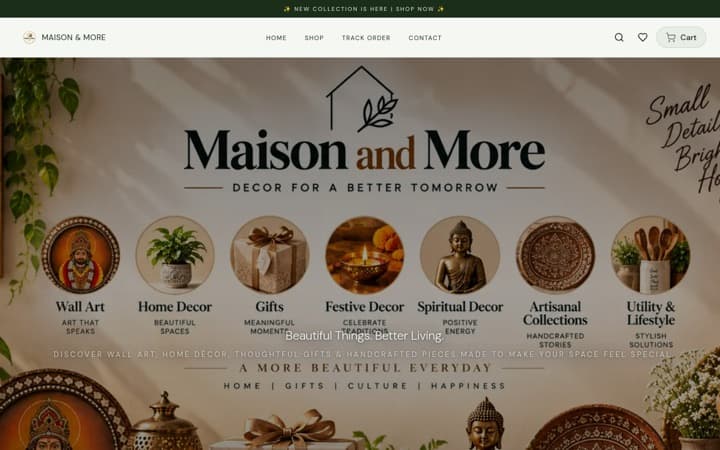
Then share the link in every group and every reply instead of the menu. The week-by-week plan for the first orders is in how to get your first 10 orders, and websites for women entrepreneurs shows what a finished store looks like. If you are weighing a home business more broadly, how to start a small business from home in India is the longer read.
What the first two months honestly look like
Slow. You will post and hear nothing. Then a cousin orders, then her neighbour. You will spend more time packing and replying than making. Some weeks the courier will be the whole problem. This is the same for every seller we see, in every category, and it is not a sign the idea is wrong; it is what starting looks like. Set two or three fixed working hours a day so the business does not spread across all of them, pick two dispatch days a week, and keep a notebook of every cost. By the end of month two you will know your real cost per order and which product people reorder. That is the point at which to add products, not before.
When you are ready to look more established, the Starter plan adds your own domain (yourbrand.com), removes the badge, adds store analytics, and makes store pages answer about 4× faster than on the free plan (about 75 ms instead of about 330 ms, measured 28 September 2026 on live paid stores). You can pay ₹199 once for 30 days with no autopay, or ₹1,990 once for a year. With autopay, the code FREE7 gives 7 days free on Starter or Growth; cancel before the first charge and pay nothing.
Frequently asked questions
Which home business needs the least money to start?
Anything built on a skill you already have and tools you already own: crochet if you have yarn, baking if you have an oven, stitching if you have a machine, worksheets if you have taught. Digital downloads cost almost nothing to start because there is nothing to ship. The expensive ideas are the ones that need stock bought up front, such as kurti or jewellery curation.
Do I need a licence to sell food from home in India?
Generally yes. Food businesses in India register with or are licensed by FSSAI, and which one applies depends on your turnover and what you make. The official portal is foscos.fssai.gov.in. Check what applies to you there or with a CA before your first sale, and print your registration number on your labels once you have it.
Can I sell homemade soap or hair oil from home?
Soap, oils, scrubs and anything applied to the skin or hair count as cosmetics, which have their own manufacturing and labelling rules in India; CDSCO is the authority. Many home makers start small, but you should confirm what the rules require for your products before you sell, and list every ingredient on the label either way.
Do I need GST to sell from home?
Not every small seller does; it depends on your turnover, what you sell and whether you sell across state lines or through marketplaces. The rules have thresholds that change, so do not rely on a blog post for the number. Read our plain-English guide to GST for online sellers and confirm your own case with a CA.
How do I take payments without a shop?
Open a bank account and a UPI ID in your own name, so the money and the records are yours. For orders on WhatsApp, a UPI QR code is enough. For a store, connect your own Razorpay, PhonePe or Cashfree account so buyers can pay by UPI, card or net banking at checkout, and offer cash on delivery with a small extra charge if you courier. On SitesPlaced, all of that is on the free plan with 0% commission.
How do I get my first customers from home?
Start with the people who already trust you: family WhatsApp groups, your building or colony group, your old office, your children's school parents. Post what you made today with a price and a link. Ask every happy buyer to forward it to one person. Instagram comes second and takes longer. Our guide to the first ten orders has the week-by-week version.
Is the festive and wedding season a good time to start?
It is the best time to sell and the worst time to learn. Demand for food, candles, jewellery and gifts rises from October to February, so if you can start a few weeks before, do. But do not take fifty orders in your first week; take ten, deliver them well, then open up. The wedding season runs roughly November to February with a second run in April to June.
Open a free store today
Your products, your prices, UPI through your own gateway account, cash on delivery and WhatsApp checkout, at a free address. 0% commission. Pay ₹199 once for 30 days of Starter when you want your own domain, no autopay.