


What to sell online in India in 2027 — 20 product ideas for small sellers, with the margin and the risk in plain words
The best things for a small seller to sell online in India in 2027 are the products a big marketplace does badly: regional food, handmade goods, small-batch fashion and jewellery, home textiles from the towns that make them, personalised gifts, and digital products that need no stock at all. Below are 20 ideas in six groups. For each one: who buys it, what the margin is like in plain words, and the one risk to plan for.
Key takeaway: do not pick a product because a list says it is “trending”. Pick one you can restock next week, that survives a courier, and that people buy more than once. The categories below have worked for small Indian sellers for years for a structural reason, not a fashionable one: a marketplace cannot make a grandmother’s pickle, hand-pour a candle or put your name on a mug. That reason will still be true in 2027.
TL;DR
- • Lowest risk to start: digital templates, print-on-demand, shelf-stable food you already cook.
- • Best margins: personalised gifts, candles, jewellery, digital products.
- • Hardest to ship: clay, glass, wax, jars, bulky textiles. Pack for it and price for it.
- • Seasonal money: hampers, bakes and bridal accessories from November to February; carry them with an all-year product.
- • Three tests for any idea: can I restock it, does it survive a courier, will they buy it again?
How to read “margin” and “risk” below
We use three words for margin, deliberately without percentages, because the real number depends on your costs and your delivery charge. Thin means little is left after delivery and packaging unless you sell in volume. Medium means comfortable if you keep the parcel small and the returns low. Good means the price sits well above the materials, usually because the buyer is paying for your skill, your story or their own name on the thing. Work out your own with the free profit margin calculator and how to price your products.
“Risk” is the thing most likely to cost you money in your first three months: breakage, perishability, returns, a crowded category, or a season that ends. Every risk here has a fix; most of the fixes are packing, pricing or a sentence on the product page.
Food
Food sells on memory and trust. Selling it generally needs FSSAI registration or a licence (portal: foscos.fssai.gov.in); confirm what applies to you before the first order.
Regional snacks and namkeen
- Who buys: People from your region living in other cities, and gift buyers who want something a supermarket does not stock.
- Margin: Medium: ingredients are cheap, but good packaging and delivery eat into it.
- Risk: Shelf life and crushed packets. Print the packing date; pack in a rigid box.
Pickles, chutneys and podi
- Who buys: Home cooks who miss a grandmother’s version; repeat buyers once they find one they like.
- Margin: Good on ingredients, but labour-heavy; price your hours.
- Risk: Leaking jars in transit. Tape every lid, bag every jar, double box.
Millet and “healthy” snacks: laddoos, cookies, roasted mixes
- Who buys: Office-goers and parents looking for a snack they feel fine about.
- Margin: Medium; branded competition keeps prices honest.
- Risk: Health claims. Say what is in it; do not promise what it does.
Festive bakes: plum cakes for Christmas, mithai and dry-fruit boxes
- Who buys: Gift buyers from late November to New Year, then again for the wedding season.
- Margin: Medium to good in season, nothing out of it.
- Risk: Perishable and timed. Publish an order-by date and stop taking orders after it.
- Seasonal: see the Christmas hub for timing and hampers.
Handmade
Handmade goods are the clearest case of “a marketplace cannot do this”. The maker is the brand; show the hands.
Soy candles and wax melts
- Who buys: Gift buyers from Diwali through Christmas; home decorators all year.
- Margin: Good per piece once you buy wax and jars in bulk.
- Risk: Heat and breakage in transit; a crowded category. Scent names and packaging set you apart.
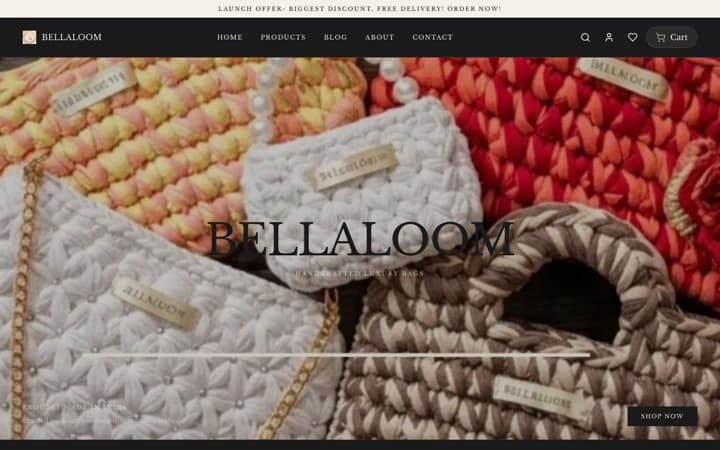
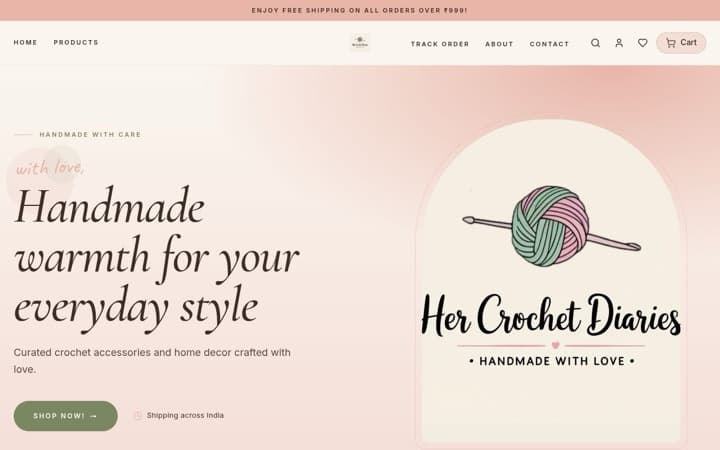
Crochet and macramé: bags, plant hangers, baby sets
- Who buys: Parents, gift buyers, people furnishing a first flat.
- Margin: Depends entirely on how you price your hours; materials are cheap.
- Risk: Slow to make. Quote dispatch dates you can keep and sell made-to-order.
Terracotta and clay planters and décor
- Who buys: Balcony gardeners and home decorators in cities.
- Margin: Good on the item, thin after shipping a heavy, fragile parcel.
- Risk: Breakage and weight. Double box and charge a delivery fee on these products.
Block-printed and hand-painted textiles: dupattas, table linen, cushion covers
- Who buys: Buyers who want a craft with a place name attached.
- Margin: Medium; sourcing from the craft town directly helps.
- Risk: Colour consistency and colour-bleed complaints. Photograph the actual piece; include care instructions.
Fashion
Fashion is the biggest category and the one with the most returns. Small batches, clear size charts and real photos are the whole game.
Co-ord sets and kurta sets in small batches
- Who buys: Women 20 to 40 who shop on Instagram and want something not everyone has.
- Margin: Medium; returns and unsold sizes decide whether it is good.
- Risk: Stock in the wrong sizes. Few designs in many sizes, not the reverse.
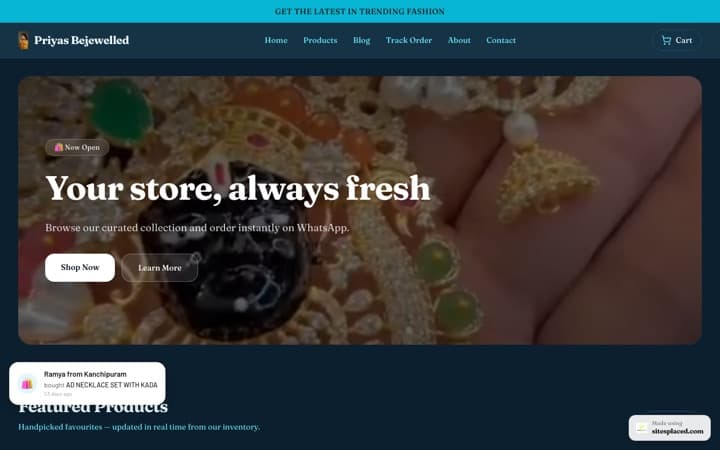
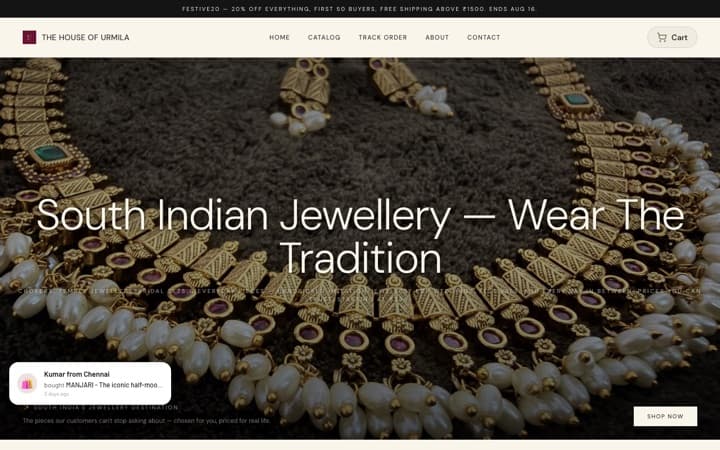
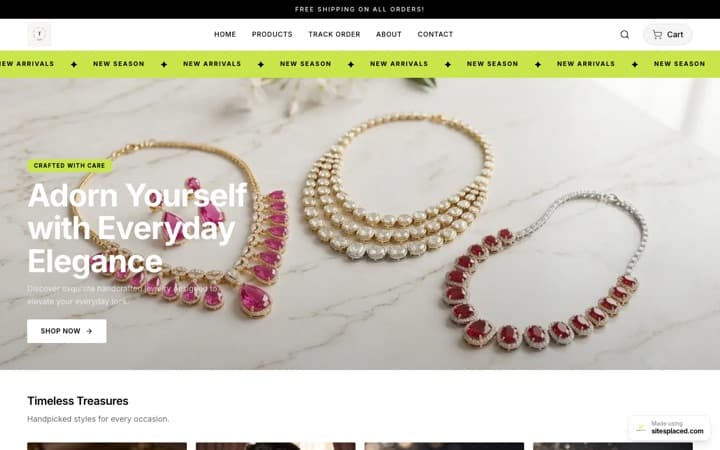
Oxidised and imitation jewellery
- Who buys: Festival and wedding-season buyers; students; gift buyers.
- Margin: Good; low ticket, high repeat.
- Risk: Tarnish complaints and lookalike competition. Say the base metal and the care; style the photos.
- Peaks in the wedding season, roughly November to February.
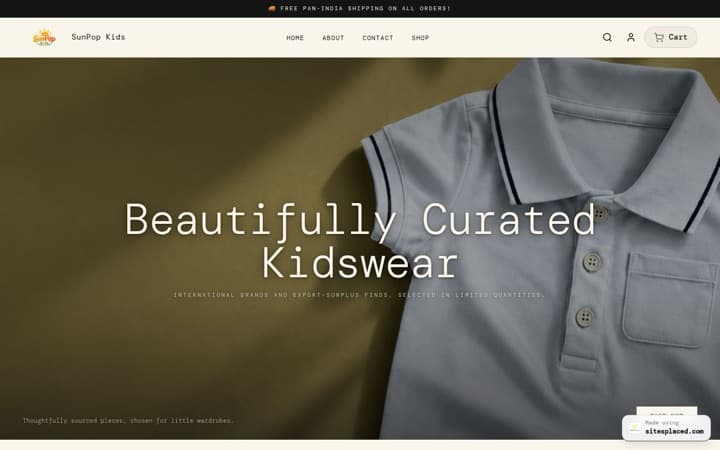
Kids’ ethnic wear
- Who buys: Parents before festivals and family weddings.
- Margin: Medium; children outgrow sizes, so parents buy often but will not pay for heirloom quality.
- Risk: Seasonal spikes and sizing. Age-based size chart on every page.
Bridal and party accessories: potlis, hair pins, clutches, kaleere
- Who buys: Brides, bridesmaids and wedding guests.
- Margin: Good; small, light, easy to ship.
- Risk: Very seasonal and date-bound. Ask the wedding date in a text field and dispatch early.
- Wedding-season product: see the hub.
Home
Home goods have steady, unglamorous demand. The margin is decided by the box size.
Bedsheets, cushion covers and curtains from textile towns
- Who buys: People setting up or refreshing a home; gifting at housewarmings.
- Margin: Thin to medium; bulky parcels cost more to ship than you expect.
- Risk: Volumetric weight. Vacuum-pack where you can and build delivery into the price.
Kitchen and dining: brass, wooden boards, steel storage
- Who buys: Home cooks and gift buyers for weddings and housewarmings.
- Margin: Medium; heavy items again.
- Risk: Weight and dents. A product-level delivery fee on the heavy pieces.
Plants and planters, delivered locally
- Who buys: Flat-dwellers in your own city.
- Margin: Good, because there is no courier: you deliver.
- Risk: Local only, perishable, and a bad week of weather kills stock. Keep the delivery area small.
Gifting
Gifting solves the buyer’s problem, not yours: they need something good-looking, at a clear price, delivered by a date. Every gifting idea is also a seasonal idea.
Hampers for Christmas, New Year and weddings
- Who buys: People buying for someone else: families, friends, small offices.
- Margin: Medium; many parts, the box costs more than you think.
- Risk: Breakage and timing. Pack for the courier, publish an order-by date.
- A build-your-own hamper page is free on SitesPlaced; see the Christmas and wedding-season hubs.
Personalised gifts: name mugs, engraved items, photo frames, caricatures
- Who buys: Birthdays, anniversaries, farewells, all year.
- Margin: Good; the personalisation is what they pay for.
- Risk: Spelling mistakes and no returns. A text field and a photo upload on the product, and a confirmation before you make it.
Wedding return gifts and favours in bulk
- Who buys: Families planning a wedding, ordering 50 to 500 pieces.
- Margin: Thin per piece, decent per order.
- Risk: One order is a large share of your month. Take an advance; sell as a “box of 50” product with the message in a text field.
- Wedding-season product; bulk orders are a conversation on WhatsApp.
Digital and no-stock
Nothing to pack and nothing to ship. These are the lowest-risk ideas on the list and the easiest to copy.
Digital templates, planners and printables
- Who buys: Students, small businesses, people organising a wedding or a home.
- Margin: Very high after the first sale; no delivery cost at all.
- Risk: Piracy and a crowded market. Watermark previews, sell bundles, keep improving the files.
- The free plan allows one live download product; more need the Growth plan.
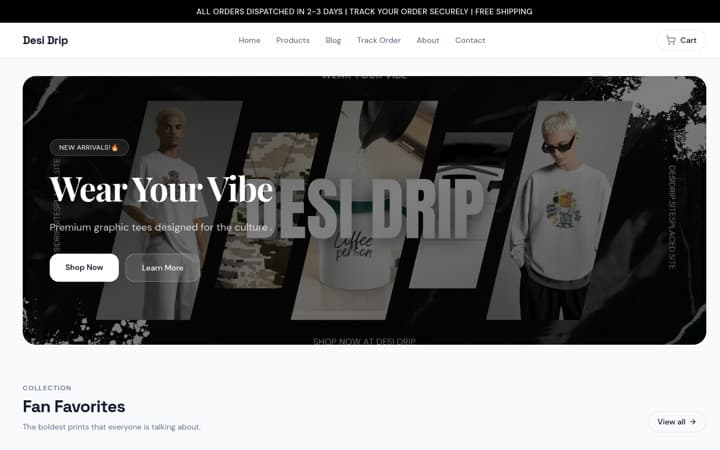
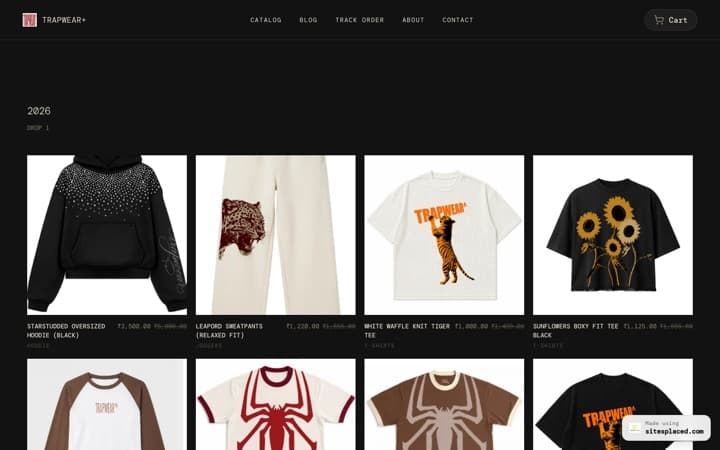
Print-on-demand T-shirts, totes and phone cases
- Who buys: Fans of a niche: a college, a city, a joke, a cause.
- Margin: Thin; the printer takes most of the price.
- Risk: Quality you did not see before it shipped. Order samples first.
- Qikink and Printify connect to a SitesPlaced store on the free plan.
All 20 in one table
| # | Product | Margin | Main risk |
|---|---|---|---|
| 1 | Regional snacks and namkeen | Medium | Shelf life and crushed packets |
| 2 | Pickles, chutneys and podi | Good on ingredients, but labour-heavy | Leaking jars in transit |
| 3 | Millet and “healthy” snacks: laddoos, cookies, roasted mixes | Medium | Health claims |
| 4 | Festive bakes: plum cakes for Christmas, mithai and dry-fruit boxes | Medium to good in season, nothing out of it | Perishable and timed |
| 5 | Soy candles and wax melts | Good per piece once you buy wax and jars in bulk | Heat and breakage in transit; a crowded category |
| 6 | Crochet and macramé: bags, plant hangers, baby sets | Depends entirely on how you price your hours | Slow to make |
| 7 | Terracotta and clay planters and décor | Good on the item, thin after shipping a heavy, fragile parcel | Breakage and weight |
| 8 | Block-printed and hand-painted textiles: dupattas, table linen, cushion covers | Medium | Colour consistency and colour-bleed complaints |
| 9 | Co-ord sets and kurta sets in small batches | Medium | Stock in the wrong sizes |
| 10 | Oxidised and imitation jewellery | Good | Tarnish complaints and lookalike competition |
| 11 | Kids’ ethnic wear | Medium | Seasonal spikes and sizing |
| 12 | Bridal and party accessories: potlis, hair pins, clutches, kaleere | Good | Very seasonal and date-bound |
| 13 | Bedsheets, cushion covers and curtains from textile towns | Thin to medium | Volumetric weight |
| 14 | Kitchen and dining: brass, wooden boards, steel storage | Medium | Weight and dents |
| 15 | Plants and planters, delivered locally | Good, because there is no courier | Local only, perishable, and a bad week of weather kills stock |
| 16 | Hampers for Christmas, New Year and weddings | Medium | Breakage and timing |
| 17 | Personalised gifts: name mugs, engraved items, photo frames, caricatures | Good | Spelling mistakes and no returns |
| 18 | Wedding return gifts and favours in bulk | Thin per piece, decent per order | One order is a large share of your month |
| 19 | Digital templates, planners and printables | Very high after the first sale | Piracy and a crowded market |
| 20 | Print-on-demand T-shirts, totes and phone cases | Thin | Quality you did not see before it shipped |
The seasonal ideas, and when to start them
Four of the twenty (festive bakes, hampers, bridal accessories and return gifts) earn most of their year in a few months. Christmas is Friday 25 December 2026 and New Year’s Day is Friday 1 January 2027, so a Christmas seller should have products live and an order-by date published by early December; the Christmas hub has the timing, hamper and packaging guides. The wedding season runs roughly November to February, with a second run in April to June; auspicious dates vary by family and region, so ask the buyer theirs. The wedding-season hub covers return gifts, bridal accessories and bulk orders. Valentine’s Day is Sunday 14 February 2027 and is a short, sharp window for personalised gifts and jewellery.
Two features on a free SitesPlaced store do a lot of the seasonal work: a build-your-own hamper page (the buyer picks the items, you pack one hamper, priced by number of items), and per-product personalisation (a text note, a photo upload, and paid extras such as gift wrap or a card). Put the last order date in the announcement bar, and pause ordering with your own message after it.
The no-stock ideas, honestly
Ideas 19 and 20 need no money for stock, which is why so many people try them, and why the competition is heavy. Digital products have the best margin on this list and the worst piracy problem; the fix is to keep improving the files, sell bundles, and watermark every preview. Print-on-demand through Qikink or Printify removes stock and packing but leaves you a thin margin and a product you never touched before the buyer did, so order samples first. Both connect to a SitesPlaced store on the free plan; the free plan allows one live download product, with more on Growth. The full picture, including pre-orders, is in how to sell online without inventory in India.
What is actually different about 2027
We are not going to invent a trend chart. What we can say from the stores we see is this. UPI is now simply how people pay, in small towns as much as cities, so a prepaid order is easier to ask for than it was. More buyers are in tier-2 and tier-3 towns, which means more parcels going further and more weight on your delivery pricing. More sellers are online too, so a generic product with a generic description gets lost; a product with a real maker, a real place and real photos does not. And writing a listing, a caption or a reply is cheaper than ever, because an assistant will draft it; the facts in it still have to be yours.
None of that changes which categories work. It changes how much the story, the packing and the price matter within them. Pick an idea from the list, check it against the three tests, and start with ten products and ten buyers. How to get your first 10 orders is the next read; if you sell anything breakable, so is how to pack and ship fragile items.
Frequently asked questions
What sells the most online in India?
By volume, the big marketplaces sell the most electronics, fashion and groceries, and a small seller cannot compete there on price or speed. What a small seller can sell is what the marketplaces do badly: regional food, handmade and personalised goods, small-batch fashion and jewellery, and products with a real place or person behind them. This list is built around those.
What can I sell online without keeping any stock?
Digital products (templates, planners, presets, printables) and print-on-demand merchandise (T-shirts, totes, phone cases printed and shipped by a print-on-demand service when an order comes in). Both need almost no money to start and nothing to pack. The trade-off is competition and, for print-on-demand, thin margins. Our guide to selling without inventory covers both in detail.
Is food a good product to sell online in India?
Shelf-stable food is one of the strongest categories for a small seller, because people buy it on memory and reorder it. Fresh food is a local business only. Either way, selling food generally needs FSSAI registration or a licence (foscos.fssai.gov.in); confirm what applies to you before you sell, and print the date of packing and the best-before date on every pack.
Which products are the riskiest to ship?
Anything glass, ceramic or clay (breakage), anything with wax or chocolate (heat), anything in a jar (leaks), and anything bulky and light (billed by volume, not weight). None of these is a reason not to sell; each is a reason to pack properly and build delivery into the price. Our guide to packing fragile items covers the method.
What is the best product for a complete beginner?
The one you can make or source again next week without a trip to another city, that survives a courier, and that people buy more than once. For most beginners that is a shelf-stable food they already cook, a craft they already do, or a digital product they already know how to make. Pick for restocking and repeat, not for the size of the market.
Should I sell seasonal products?
Yes, if you have an all-year product to carry the quiet months. The season from Diwali through Christmas and New Year, and the wedding season from roughly November to February, bring a large share of a gifting seller's year. Plan the stock, publish an order-by date, and pause ordering after it rather than disappointing buyers.
Do I need GST or a licence to sell these online?
It depends on the product and your turnover. Food generally needs FSSAI; cosmetics have their own rules (CDSCO); GST depends on turnover, product and where you sell, and the thresholds change. Read our plain-English guide to GST for online sellers and confirm your own case with a CA before you rely on any number.
Pick one, and put it online free
Unlimited products, a hamper builder, personalisation on any product, UPI through your own gateway account, cash on delivery, WhatsApp checkout and Shiprocket or Shipmozo. 0% commission, on the free plan. Starter is ₹199 once for 30 days when you want your own domain, no autopay.