
How to avoid Instagram shopping scams — and how honest sellers earn trust
Most Instagram shopping scams follow the same script. Once you know the red flags, they're easy to spot — and if you're a seller, the same list tells you exactly which trust signals make genuine buyers feel safe enough to pay.
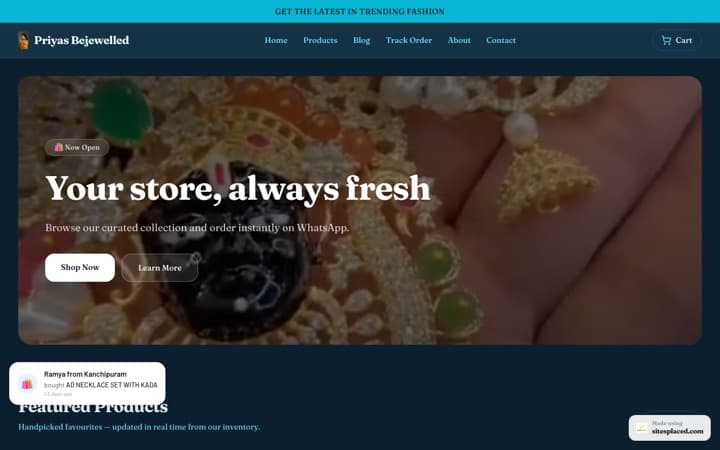
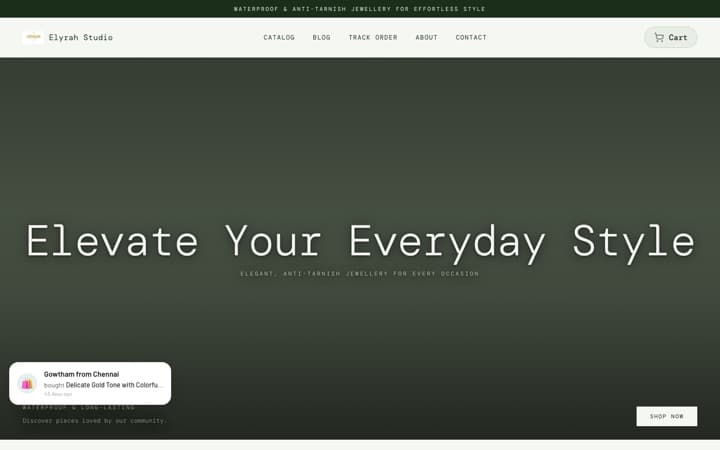
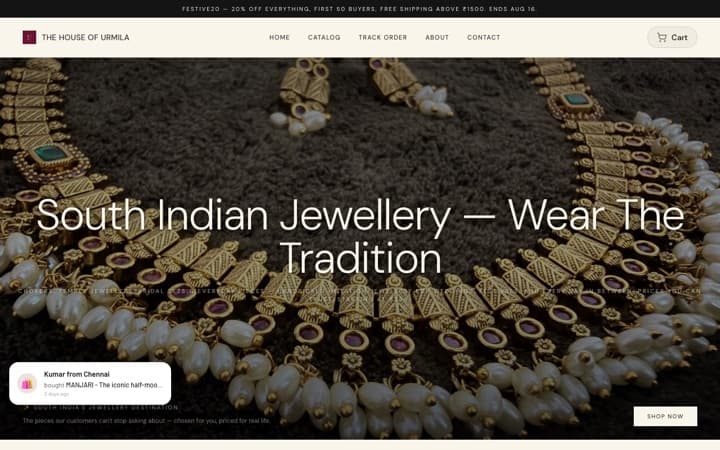
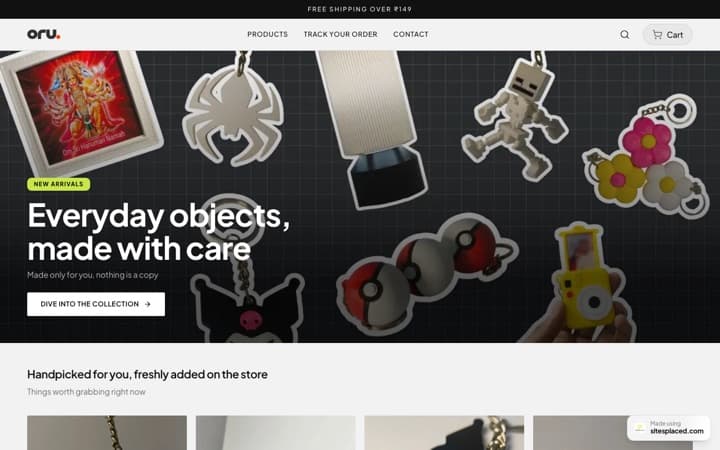
The short version: scams hide behind DM-only pages, advance-only personal UPI requests and stolen photos. Real businesses have a website on their own domain, HTTPS, clear policies, invoices and order tracking. For sellers, building those signals — easy on a SitesPlaced store — is the difference between "is this a scam?" and "add to cart."
6 red flags every buyer should watch for
Prepaid-only, UPI-to-personal-number
A genuine business offers Cash on Delivery or a proper payment page. 'Pay this personal UPI ID in advance, no COD' is the single most common scam pattern — there's no recourse once the money's gone.
No website, only a DM
If the entire 'store' is an Instagram handle and a chat, there's nothing to verify. Real sellers have a website on their own domain you can open, read and check.
No policies or contact details
No returns policy, no shipping policy, no business contact, no address. Trustworthy sellers publish these because they expect to stand behind their orders.
Stolen or stock photos
Reverse-image-search a few product shots. If the same photos appear on dozens of unrelated pages, the seller likely doesn't hold the stock they're showing.
No reviews or traceable orders
No tagged customer posts, no reviews, no invoice, no tracking link. A real order leaves a paper trail; a scam leaves only a screenshot.
Pressure and urgency
'Only 2 left, pay in 10 minutes.' Manufactured urgency is designed to stop you checking the things above. Slow down and verify first.
How to verify a seller in under a minute
- Open the link in their bio. Does it lead to a real website on its own domain, with HTTPS in the address bar? A working store is hard to fake.
- Look for policies. Returns, shipping and contact details signal a seller who plans to be around after the sale.
- Check the checkout. A proper payment page with UPI, cards or COD — and a confirmation and invoice afterwards — is far safer than a personal-UPI advance.
- Search the reviews. Tagged customer posts and visible reviews you can't easily fabricate are strong proof.
- Reverse-image a product photo. Originality suggests real stock; widely reused images suggest the opposite.
The flip side: trust is a seller's job
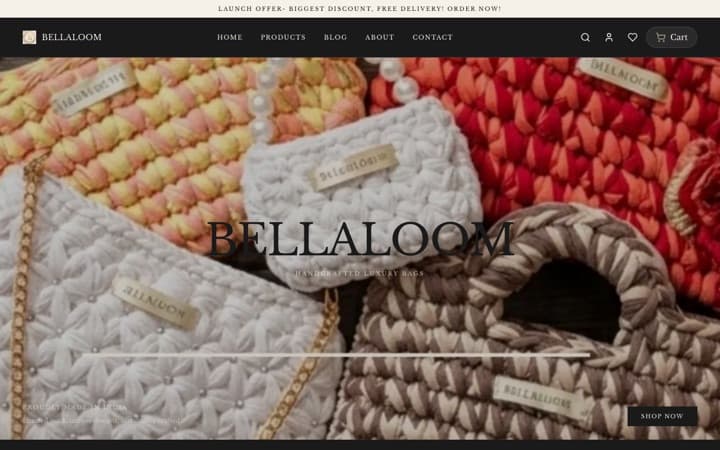
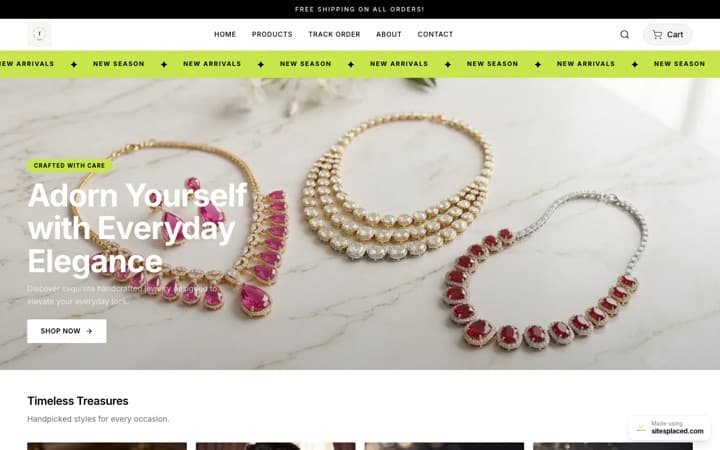
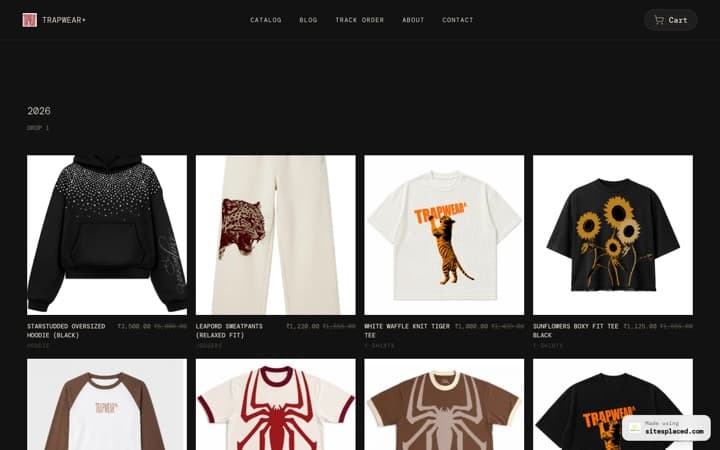
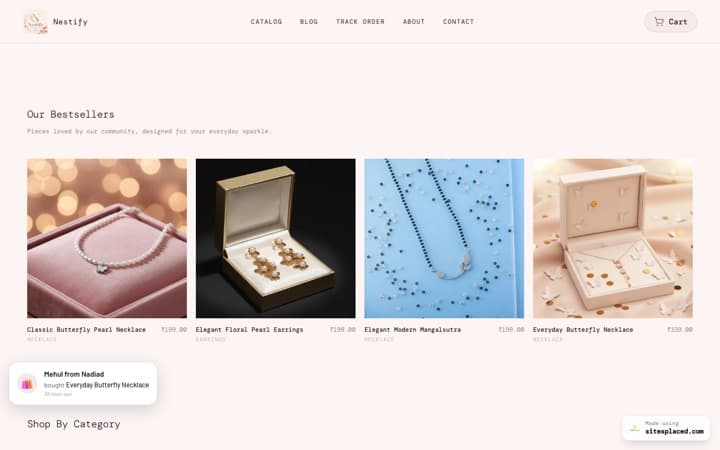
Every red flag above is something an honest seller can simply remove. Buyers are cautious because scams exist — so the sellers who win are the ones who make verification effortless. The strongest single trust signal you can give is a website you actually own.
A SitesPlaced store hands you all of it at once: a custom domain and HTTPS, real UPI/COD/Razorpay and WhatsApp checkout instead of an advance-only DM, GST-ready PDF invoices for every order, and order tracking through Shiprocket so buyers can follow their parcel. Add visible policies and reviews, and a hesitant buyer's questions answer themselves.
Instagram is still your discovery channel — it's where buyers first meet you. But the moment they're deciding whether to trust you with their money, a real store on your own domain does the convincing that a DM never can.
Trust signals that close the sale
- • Your own custom domain and HTTPS — not a personal handle alone.
- • A real checkout with UPI, COD and Razorpay, not an advance to a personal account.
- • Clear return, shipping and contact policies published on the store.
- • GST-ready PDF invoices and order tracking buyers can actually follow.
- • Reviews and an order history that prove other people bought safely.
Frequently asked questions
How can I tell if an Instagram shop is a scam?
Check for the things scams lack: a real website on the seller's own domain, HTTPS, published return and shipping policies, a contact method, reviews and order tracking. Be wary of prepaid-only requests to a personal UPI ID, stolen product photos and high-pressure urgency. Genuine sellers usually have a store you can open and verify.
Is it safe to buy from Instagram shops?
It can be, if the seller backs the page with real trust signals. The safest sellers send you to a proper website with a secure checkout, invoices and tracking rather than asking for an advance to a personal account. A store on a custom domain — like one built on SitesPlaced — is a strong sign you're dealing with a real business.
Why does buying from a website feel safer than a DM?
A website has things a DM can't fake easily: a custom domain, HTTPS, visible policies, a real checkout, a GST invoice and order tracking. Those create accountability. SitesPlaced gives sellers all of that out of the box, so honest sellers can signal trust and buyers can verify it before paying.
How can sellers prove they are genuine?
Remove the red flags buyers look for. Get your own domain, publish clear policies, offer COD and proper payment options, send GST-ready invoices, and give buyers order tracking. A SitesPlaced store provides all of these, turning 'just another Instagram page' into a credible business buyers feel safe ordering from.
What payment methods are safest to use?
Prefer Cash on Delivery, or a real checkout page using UPI, cards or Razorpay where you receive a confirmation and invoice — not an advance transfer to a personal UPI ID. Sellers on SitesPlaced offer UPI, COD and Razorpay through a proper checkout with 0% commission, which is both safer for buyers and cleaner for sellers.
Look legit — build a store buyers trust
Give buyers HTTPS, real checkout, invoices and tracking — every trust signal that removes the "is this a scam?" hesitation. Free to build and publish, 0% commission; from ₹199/month (Starter) only for your own custom domain or to remove the badge.