Is it safe to buy from Instagram shops? It depends on what the seller shows you
Plenty of Instagram shops are genuine and ship exactly what they promise. But Instagram gives buyers little built-in protection, so safety comes down to the signals a seller does or doesn't show. Here's how to tell the difference — and what it means for sellers who want to be trusted.
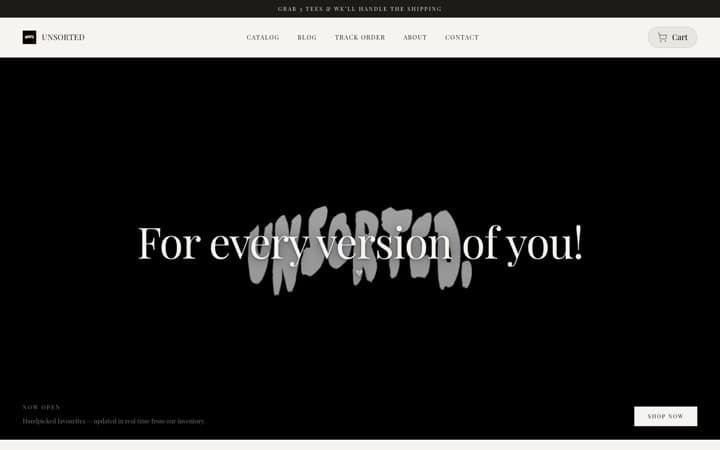
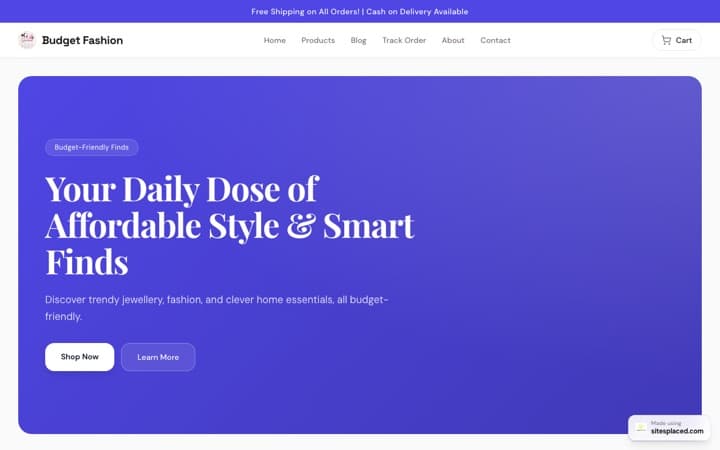
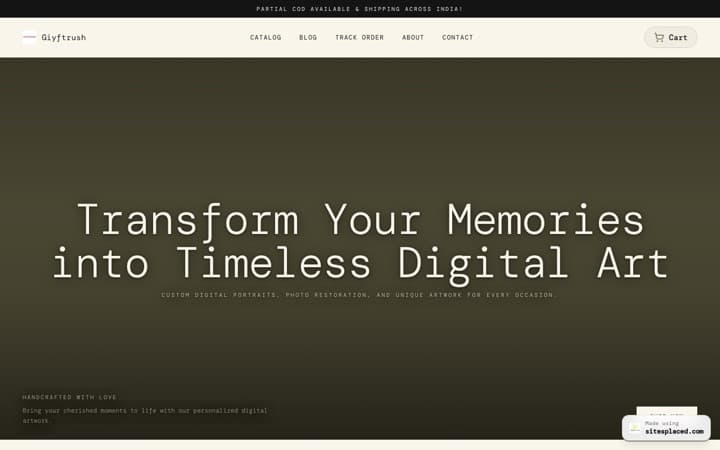
The short version: a risky shop sells only in DMs, has no website, demands prepayment to a UPI number and offers no policies or invoice. A safe shop sends you to a real store on its own domain with HTTPS, clear policies, Cash on Delivery and a trackable, invoiced order. The website is the dividing line.
Why Instagram alone is risky for buyers
Instagram is built for discovery, not for protecting transactions. When you buy by DMing a seller and sending money to a UPI ID, there's no order page, no automatic invoice, and no dispute system standing between you and the seller. If the parcel never arrives, you're relying entirely on the goodwill of an account that can change its handle or vanish overnight.
None of this means every Instagram seller is a scammer — most aren't. It means the platform doesn't do the trust work for you, so you have to read the signals yourself. The good news: the signals are easy to check once you know what to look for.
Risky vs safe: the signals to check
| Risky shop | Safe shop |
|---|---|
| Selling happens entirely in DMs | Checkout on a real website with a clear product page, price and payment options |
| No website — just an Instagram handle | An owned store on a custom domain (yourbrand.com) with an HTTPS padlock |
| No shipping, returns or contact policy | Visible policies so you know what happens if something goes wrong |
| Prepaid-only, 'pay this UPI number, trust me' | Multiple options including Cash on Delivery, UPI and cards via a proper gateway |
| No invoice, no order confirmation | A GST-ready invoice and an order you can track from paid to delivered |
| Stolen or inconsistent product photos, no reviews | Consistent original photography and visible customer feedback |
For sellers: a website is how you earn buyer confidence
Every risk signal above is something a seller can remove. The buyer's checklist is, in reverse, a seller's trust checklist — and the fastest way to tick all the boxes at once is to stop selling only in DMs and give buyers a real store to check out on.
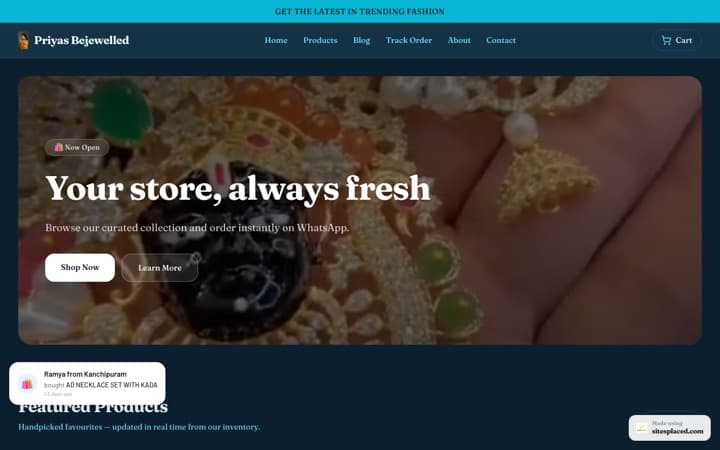
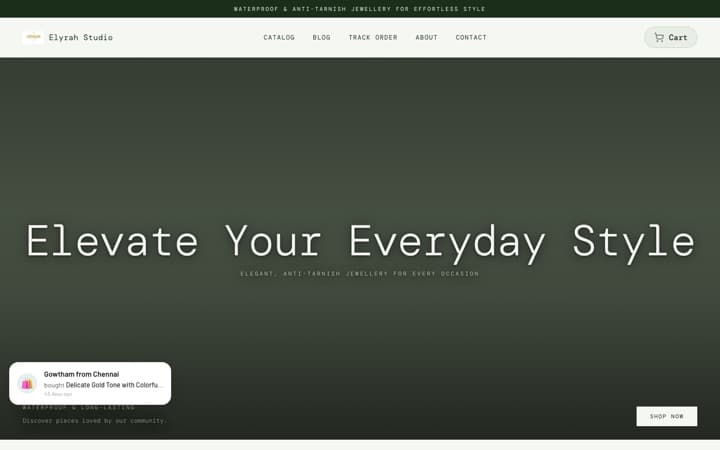
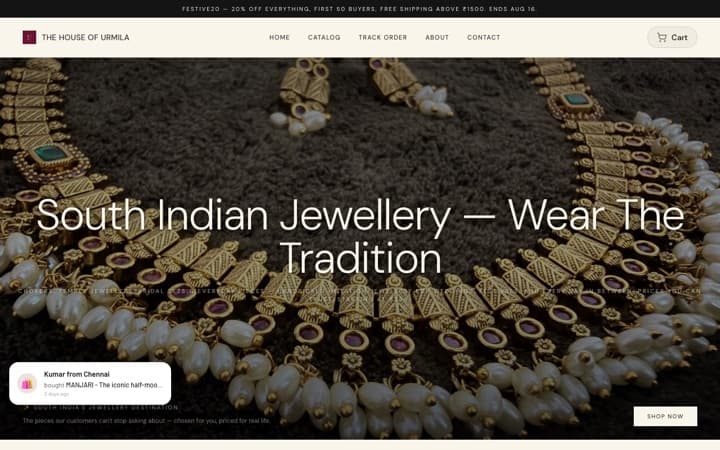
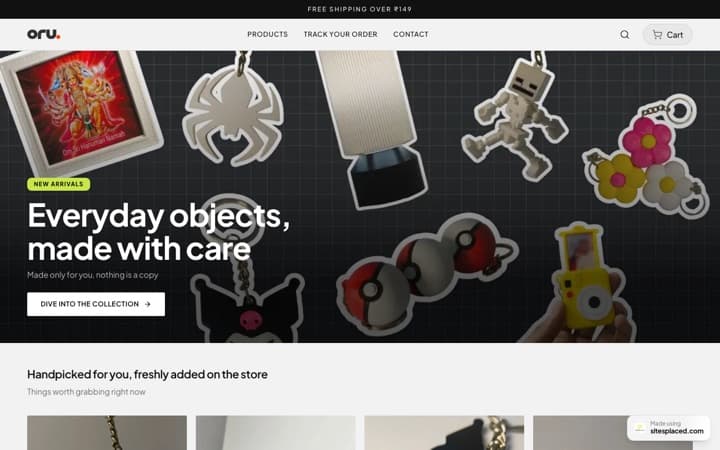
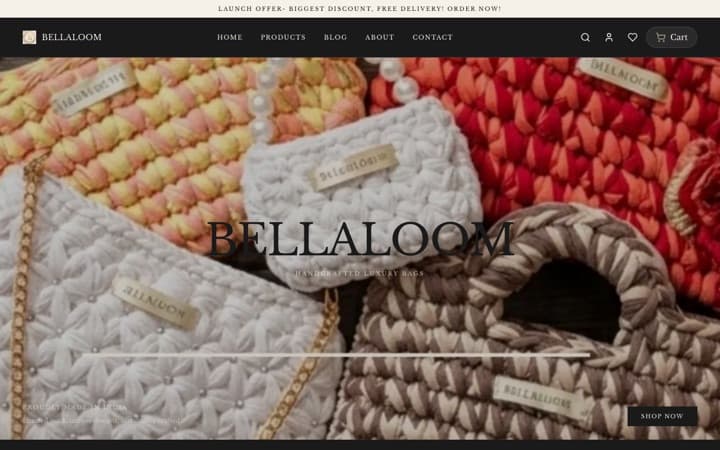
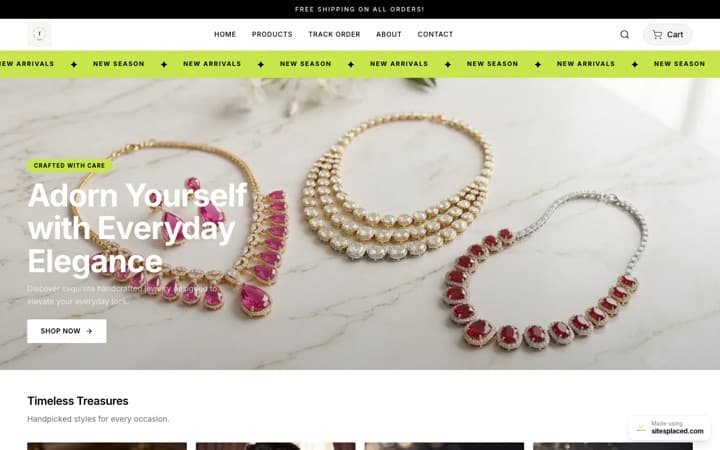
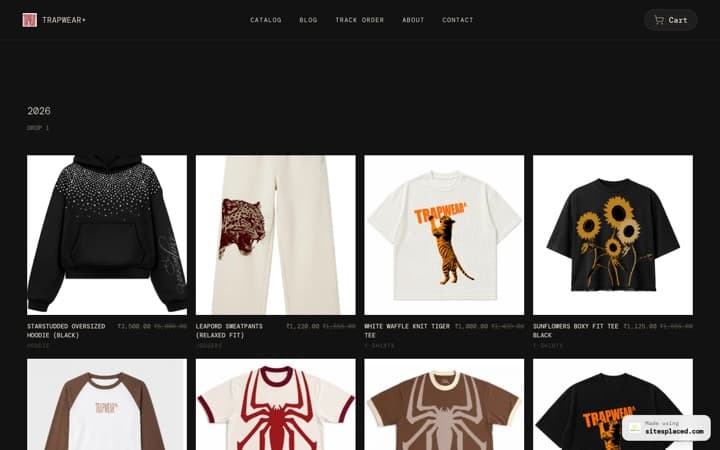
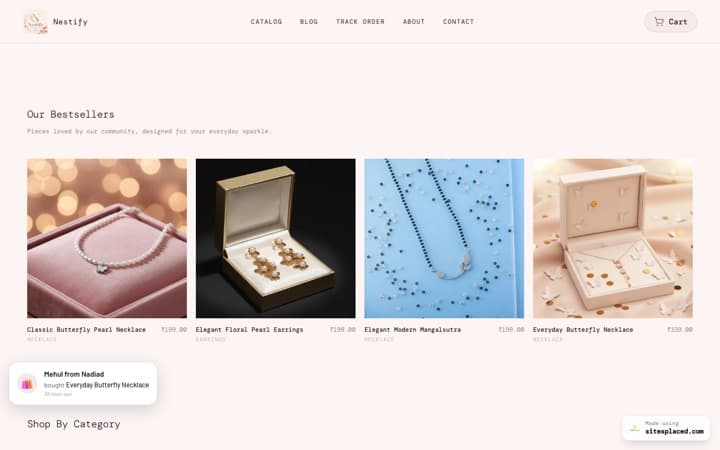
Consider a generic, illustrative example: two beauty pages sell the same lip balm at the same price. One says "DM to order, pay on this UPI." The other links to a clean storefront on its own domain, where you can read the returns policy, pay by Cash on Delivery, and get an invoice and tracking. Most buyers pick the second without thinking about why — the trust is visible. The seller who invested in a real website simply converts more of the same traffic.
That's the practical case for owning your store rather than living in DMs: it isn't only about convenience, it's about being obviously safe to buy from.
The trust signals a SitesPlaced store gives you
- • Custom domain + HTTPS — a real web address with the padlock buyers look for.
- • Clear policies — shipping, returns and contact pages that set expectations.
- • Safe payment choices — UPI, Cash on Delivery and Razorpay built in, so buyers pick what feels safe.
- • Invoices & tracking — GST-ready invoices and an order dashboard from paid to delivered.
- • A real brand presence — a storefront that reads as a business, not a disposable account.
Frequently asked questions
Is it safe to buy from Instagram shops?
It can be — many Instagram sellers are completely genuine — but Instagram itself offers buyers little protection in India, so safety depends on the seller. The safest shops send you to a real website on a custom domain with HTTPS, clear policies, multiple payment options including Cash on Delivery, and an invoice or order confirmation. A shop that only deals in DMs and demands prepayment is harder to trust.
How can I check if an Instagram seller is trustworthy before buying?
Click the bio link and see if it opens a real store. Look for an HTTPS padlock, visible shipping and returns policies, a contact method, consistent product photos, customer reviews, and the option to pay with Cash on Delivery or a proper gateway rather than just a UPI number. A seller using a SitesPlaced store will have these signals built in.
Why is Cash on Delivery safer for buyers?
Cash on Delivery lets you pay when the parcel arrives, which removes the biggest fear of prepaid DM orders. Sellers who offer COD alongside UPI and cards signal confidence in their product. On SitesPlaced, COD, UPI and Razorpay are all built in, so buyers can choose what feels safe.
Does having a real website make a seller more trustworthy?
Yes. A website on a custom domain, with HTTPS, policies, invoices and order tracking, is a footprint that's hard to fake and easy to verify. It tells buyers they're dealing with a real business, not a disposable account. That's why a SitesPlaced store raises buyer confidence and conversion for sellers.
I'm a seller — how do I make buyers feel safe?
Remove the risk signals. Move checkout off DMs and onto a real store, add a custom domain with HTTPS, publish shipping and returns policies, offer COD and UPI, and send a GST-ready invoice and tracking for every order. A SitesPlaced store gives you all of this so genuine buyers buy with confidence.
Be the Instagram shop buyers trust
Move checkout off DMs and onto a real store with HTTPS, policies, COD and invoices. Free to build & publish, 0% commission; ₹199/month (Starter) adds a custom domain, branding removal and AI.