How to spot fake job offers on Instagram — and how real brands prove they're legit
Scam DMs and fake 'work from home' offers are everywhere on Instagram. Most follow the same script. Here's how to recognise the red flags fast — and, if you're a seller, how to show buyers that you're the real thing.
The short version: a fake offer pays too much for too little, arrives unsolicited, asks you to pay first, comes from an account with no real footprint, and rushes you off-platform. Legitimate businesses, by contrast, can be verified — they have their own website on a custom domain, with policies, invoices and a real order trail.
Five red flags of a fake Instagram job offer
It pays too much for too little
A real employer rarely promises ₹2,000–₹5,000 a day for 'just liking posts' or 'simple data entry from home.' If the pay is wildly out of line with the work, the offer exists to bait you, not to hire you. Genuine roles describe real responsibilities and realistic compensation.
It arrived as an unsolicited DM
Cold DMs offering jobs you never applied for are a classic scam pattern. Legitimate hiring usually starts with a posting, an application, or a referral — not a stranger sliding into your inbox with a 'congratulations, you're selected' message and an emoji-heavy pitch.
They ask you to pay first
Registration fees, 'training kits,' security deposits, or asking you to buy products to 'unlock' the role are all major red flags. A real job pays you; it doesn't ask you to pay to start. Any request for money upfront should end the conversation.
The account has no real footprint
Check the profile. Scam accounts are often new, have few or stolen posts, a generic handle, no website, no tagged customers and no consistent history. A real brand has a verifiable trail — a website on its own domain, working policy pages, and a presence that holds up to a quick search.
They rush you and move you off-platform fast
Urgency is the scammer's favourite tool. 'Only 2 slots left, reply now,' followed by a push to move to a random WhatsApp number or Telegram channel and share documents, is designed to stop you from thinking. Slow down — real opportunities survive a pause.
How to verify whether a brand is real
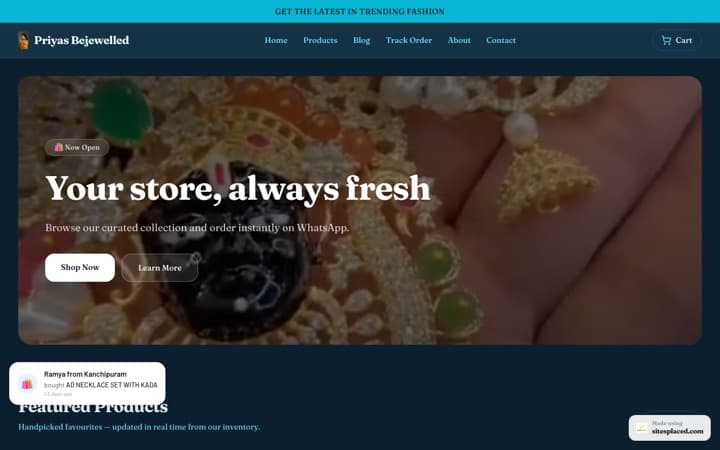
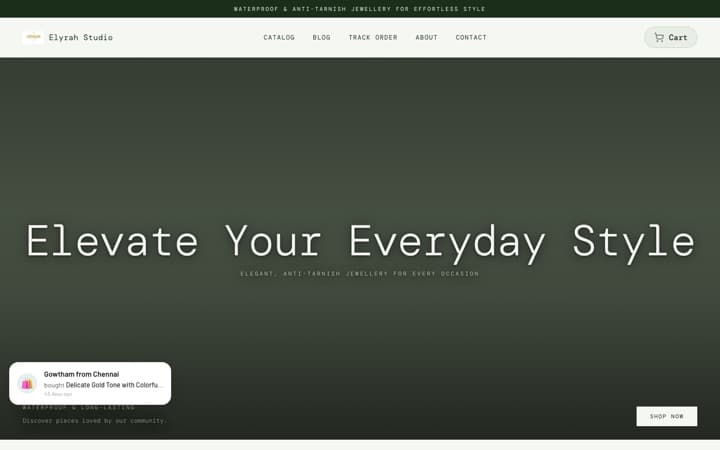
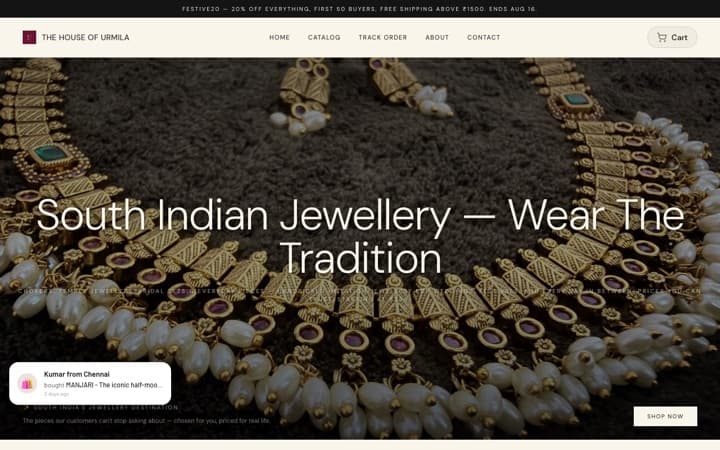
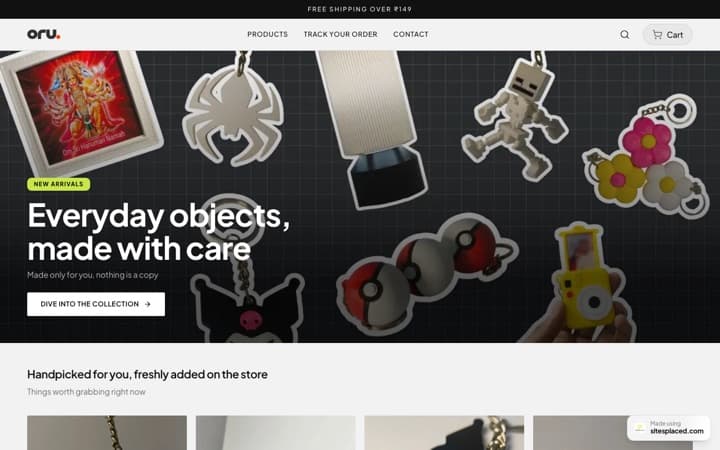
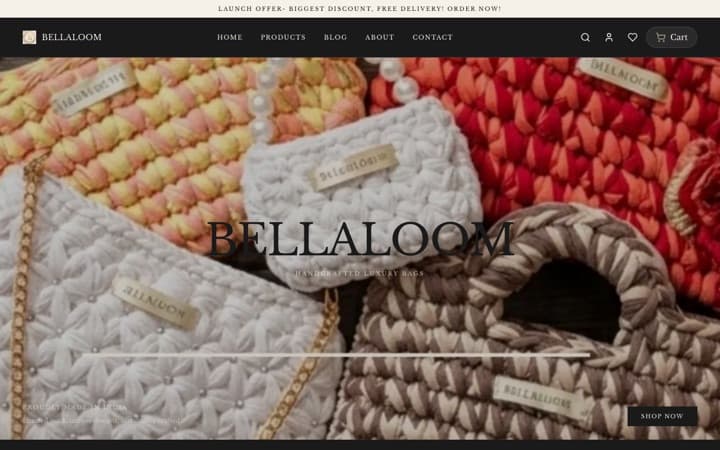
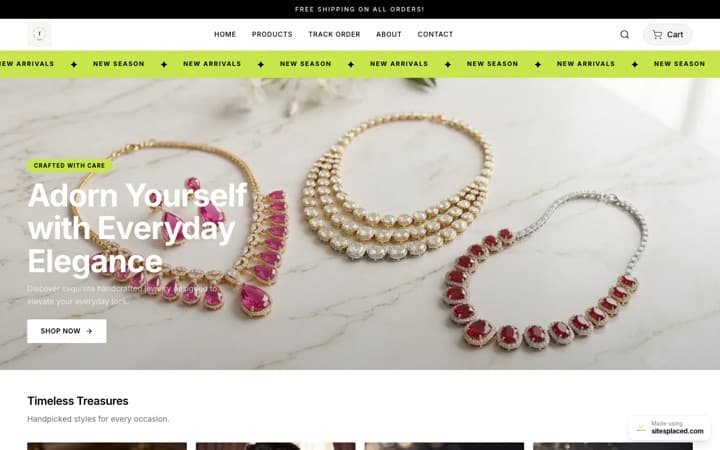
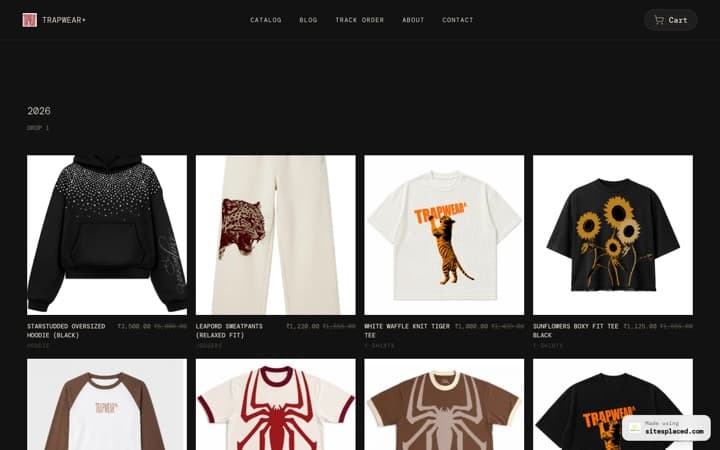
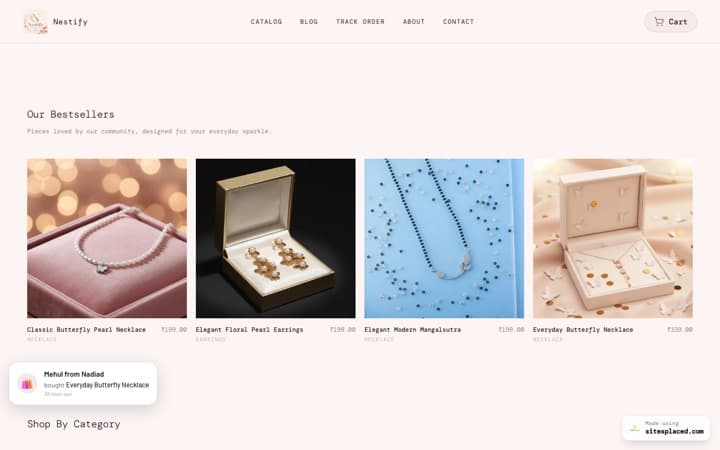
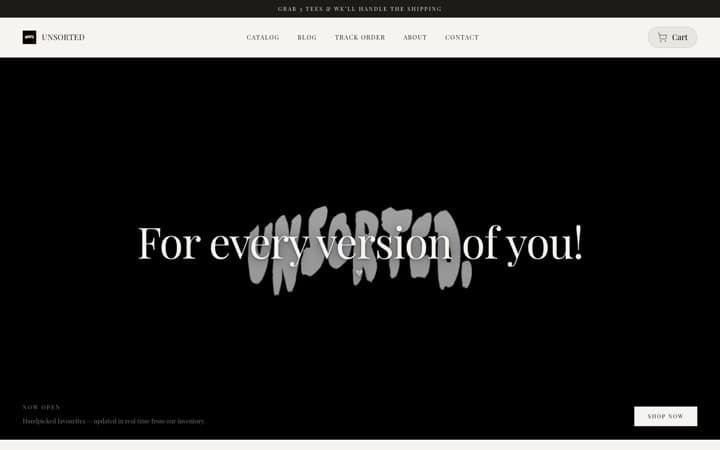
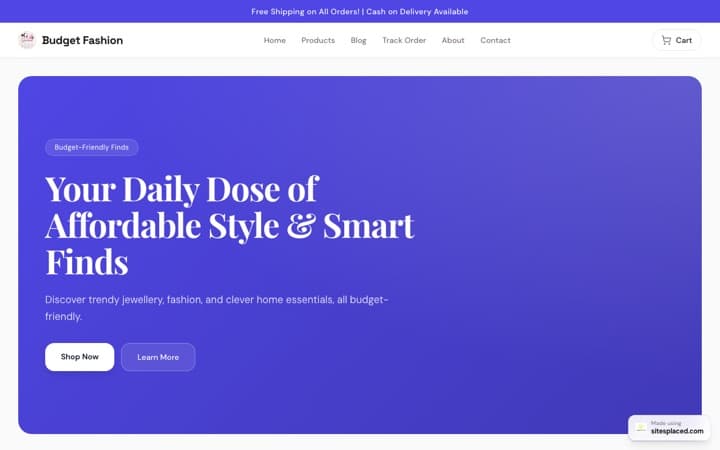
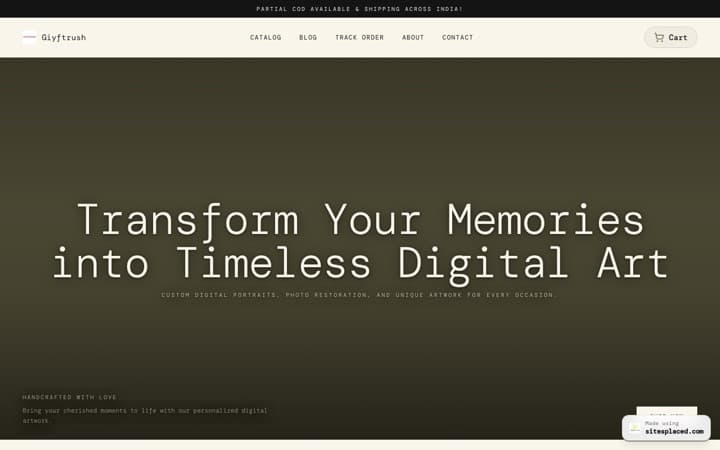
Whether you're considering an offer or deciding whether to buy from a seller, the verification steps are the same. Start with the bio link. Does it open a real website on a custom domain — say, a clean storefront at yourbrand.com — or a dead Linktree, a sketchy redirect, or nothing at all? A genuine business invests in a proper home on the web; a scam rarely bothers.
Next, look for the boring-but-important signals: an HTTPS padlock, visible shipping and returns policies, a real contact method, product pages with consistent photography, and some kind of order or invoice trail. These are tedious to fake convincingly and at scale, which is exactly why their presence is reassuring and their absence is a warning.
Finally, do a quick search outside Instagram. A real brand usually shows up on Google with its own domain. An operation that exists only inside DMs, with no website and no traceable footprint, is asking you to take everything on faith.
For sellers: be the brand that's obviously legit
The flip side of all this is opportunity. Buyers are wary, and the sellers who win are the ones who remove doubt. The single strongest move is to own a real website instead of operating only from DMs.
- • Custom domain + HTTPS — a storefront at your own address reads as a business, not a burner account.
- • Clear policies — shipping, returns and contact pages tell buyers you stand behind your orders.
- • GST-ready invoices — a proper invoice for every order is something no fly-by-night operation provides.
- • Trackable orders — an order dashboard and Shiprocket tracking prove the order is real and on its way.
- • Real payments — UPI, COD and Razorpay through a store look far safer than 'pay this number, trust me.'
Frequently asked questions
How do I know if a job offer on Instagram is fake?
Look for the classic red flags: unrealistically high pay for trivial work, an unsolicited DM you never applied to, any request to pay a fee upfront, an account with no real footprint, and pressure to act fast or move to a private chat. A genuine business can be verified — it has its own website on a custom domain, real policy pages and a consistent public presence.
Should I pay a registration or training fee for an Instagram job?
No. A real job pays you; it never asks you to pay to start. Registration fees, training kits, deposits or 'buy this to unlock the role' requests are reliable signs of a scam. Stop the conversation and report the account.
How can I verify that a brand on Instagram is real?
Click the link in their bio and see where it goes. A legitimate seller usually has its own website on a custom domain with HTTPS, visible policies (shipping, returns, contact), real product pages and an order history. A brand with no website and only DM-based dealings is much harder to trust.
Why does having my own website make me look more trustworthy as a seller?
Because it's a footprint scammers can't easily fake at scale. An owned store on a custom domain — with HTTPS, clear policies, GST-ready invoices and trackable orders — signals that you're a real business. A SitesPlaced store gives you exactly these trust signals so genuine customers feel safe buying from you.
What's the strongest trust signal a legitimate seller can show?
An owned website. A storefront on your own domain, with policies, invoices and order tracking, is the clearest way to separate yourself from DM-only operators. On SitesPlaced you get a custom domain, HTTPS, GST invoices and an order dashboard built in, so your brand reads as credible at a glance.
Build the trust signal that sets you apart
Give buyers a real website to trust — HTTPS, policies, invoices and trackable orders. Free to build & publish, 0% commission; ₹199/month (Starter) adds a custom domain, branding removal and AI.