

Do you need a tax ID to sell on Instagram? PAN, GST and the India reality
Short answer: you can usually start small without GST, but PAN is standard and GST catches up as you grow. Here's a plain-English map of the tax side of selling clothes online in India — what each ID is, and when it actually applies to you.
The short version: a PAN is standard for any business and bank activity. GST registration is required once you cross your state's turnover threshold or supply goods interstate. Small sellers can begin without GST and register as they scale. This is general guidance, not tax advice — confirm your specifics with a chartered accountant.
A quick note: tax thresholds and rules in India are revised from time to time, and they depend on your state, your turnover and what exactly you sell. Nothing here is legal or tax advice. Use it to understand the lay of the land, then check the current rules and your own situation with a CA before you register or file.
PAN: the ID you almost certainly already need
Your Permanent Account Number is your core tax identity in India. You'll use it to open a current account, receive payouts from UPI and card settlements, and file income tax on your profits. If you're earning from selling — even modest amounts — your income is taxable, and PAN is how that income is tracked. Most sellers already have one as individuals; if you're running this as a business, you may register a proprietorship or other entity, but the PAN stays central.
PAN is not the same as "permission to sell." It's an identity and a tax handle, not a licence. But it's the baseline: without it, even basic banking and compliance get awkward. Treat it as step zero.
GST: where the threshold and interstate rules bite
GST registration is the one most new sellers worry about — and the rules are genuinely conditional. Two triggers matter most:
- Turnover threshold. Once your annual turnover crosses the limit set for your state, registration is generally required. Below it, many small sellers operate without registering. The exact figure is revised over time, so don't anchor on a number you saw on a forum.
- Interstate supply. This is the rule that surprises people. If you ship goods to customers in other states, GST registration can be required regardless of how small your turnover is. Since Instagram sells nationwide, this is worth checking early.
Once registered, you charge GST on sales, issue GST invoices, and file returns. It sounds heavier than it is in practice — but it's a real obligation, and getting the timing wrong can mean penalties. This is exactly the kind of decision a CA should confirm for your numbers and your state.
A simple way to think about the stages
| Stage | PAN | GST | Typical action |
|---|---|---|---|
| Just starting, low volume, same-state | Yes | Often not yet | Sell, keep records, watch your turnover |
| Shipping to other states | Yes | Likely required | Check the interstate rule with a CA |
| Crossing the turnover threshold | Yes | Required | Register, charge GST, issue GST invoices |
Illustrative stages only — actual thresholds and conditions change and vary by state. Confirm with a chartered accountant.
Compliance is easier when your store does the paperwork
Once you're GST-registered, every order needs a proper invoice — and doing that by hand for each DM order is where small sellers slip up. This is where owning a real store pays off, beyond just looking professional.
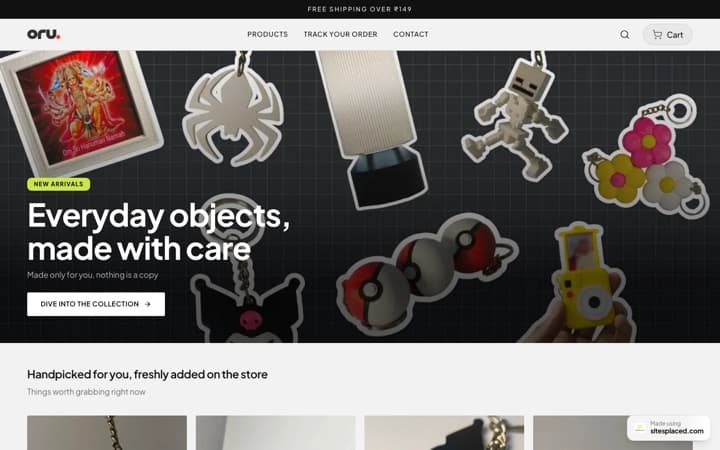
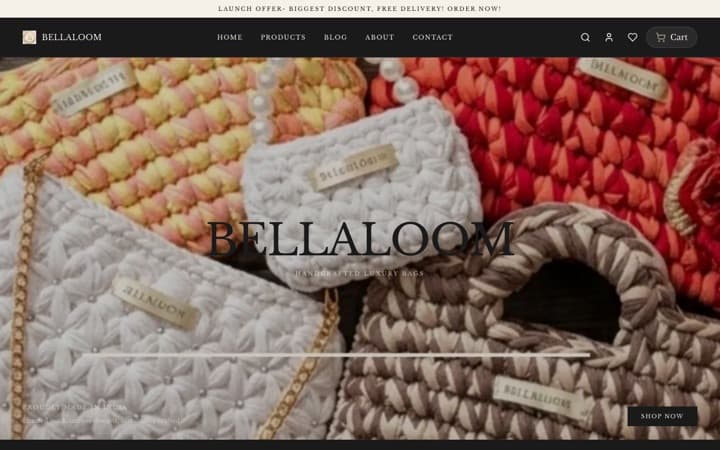
A SitesPlaced store generates GST-ready PDF invoices automatically for each order, and keeps your orders, stock and customer records in one dashboard. So when you do register, you're not bolting on a tool — the paper trail is already there. A store on your own domain with clear policies and clean invoices also signals to buyers that you're a legitimate, compliant business, which converts better than a DM-only page with no records.
Frequently asked questions
Do I need a tax ID to sell clothes on Instagram in India?
For small volumes you can usually start without GST registration, but a PAN is standard for any business activity and your bank account. GST registration becomes necessary once you cross the turnover threshold for your state or supply goods interstate. Rules change, so confirm your situation with a chartered accountant.
What is the difference between PAN and GST?
PAN (Permanent Account Number) is your tax identity for income tax and is used almost everywhere — bank accounts, payments and filings. GST (Goods and Services Tax) registration is a separate number you obtain when your turnover or type of supply requires it, and it lets you charge and remit GST on sales.
When do I have to register for GST?
Commonly when your turnover crosses the threshold set for your state, or earlier if you supply goods to customers in other states. Thresholds and conditions are revised over time, so treat any figure you read online as a starting point and verify the current rule with a CA before deciding.
Can SitesPlaced generate GST invoices for my store?
Yes. A SitesPlaced store generates GST-ready PDF invoices automatically for each order, so once you register you're set up to issue proper invoices without extra tools — and your invoices, orders and stock all live in one dashboard.
Does having a registered store make me look more legitimate?
It helps a lot. A store on your own domain with clear policies and proper GST invoices signals you're a real, compliant business — which builds buyer trust and tends to convert better than a DM-only Instagram page where there's no paper trail.
Set up to be compliant from day one
Get GST-ready PDF invoices, an order dashboard and your own domain in one place. Free to build and publish, 0% commission, with UPI, COD and WhatsApp checkout built in — from ₹199/month (Starter) only for a custom domain, badge removal and AI.