


Do I need a license to sell clothes on Instagram? The honest 2026 answer for India
Short version: you can start small without a special licence. The bigger question isn't "what do I legally need to start" — it's "what makes buyers trust me enough to pay". This walks through both.
The short version: a small home-based clothing business can usually begin with just a PAN. GST registration enters the picture once you cross the turnover threshold or sell interstate. A shop establishment registration may apply if you run a physical premises. None of this is a barrier to starting — and the trust you signal with your own store often matters more to buyers than any badge.
This is general guidance, not legal or tax advice. Rules change — confirm with a qualified CA or the relevant authority for your situation.
What you can do without any licence
If you're a one-person clothing brand reselling or stitching at home and shipping a handful of orders a week, you generally don't need a special permission to post on Instagram and take orders. Instagram is a marketing channel — like a notice board. Putting a saree or a kurta set on your feed and accepting a UPI payment is, at small scale, ordinary commerce.
What you should have from day one is a PAN (standard for anyone earning), a bank account in your or your business's name, and basic records of what you sold and to whom. Clean records make every later step — registering for GST, filing returns, claiming expenses — dramatically easier.
When GST actually kicks in
GST is the registration most new sellers worry about, and the rule of thumb is simpler than it sounds. Two common triggers push you toward registering:
- Turnover threshold. Once your annual sales cross the prescribed limit for goods, registration is generally required. Below it, small sellers often operate without GST.
- Interstate supply. The moment you ship across state lines as a regular supply, the rules tighten and registration commonly becomes necessary even at lower volumes.
Thresholds and conditions change, so treat the above as a map, not a contract — a CA can tell you exactly when you cross the line. The practical takeaway: don't let GST stop you from starting, but plan to register as you scale, and pick tools that make issuing a proper tax invoice a non-event.
Optional registrations worth knowing about
- Udyam / MSME. Free and optional. It can help with access to schemes and credit and makes your business feel more formal, but it isn't required to sell clothes online.
- Shop & Establishment. Relevant mainly if you operate a physical shop or office with staff — a purely online, home-run brand often won't need it, but local rules vary.
- Trademark. Not a licence at all, but if you're building a clothing brand name worth protecting, registering it early stops copycats later.
The part most sellers miss: trust beats paperwork
Here's the uncomfortable truth about selling clothes through a DM-only Instagram page: buyers can't tell you apart from a scammer. No website, prepaid-only requests, screenshots instead of invoices — these are the exact red flags careful shoppers avoid. The licences above make you compliant; they don't make you look trustworthy at the moment of payment.
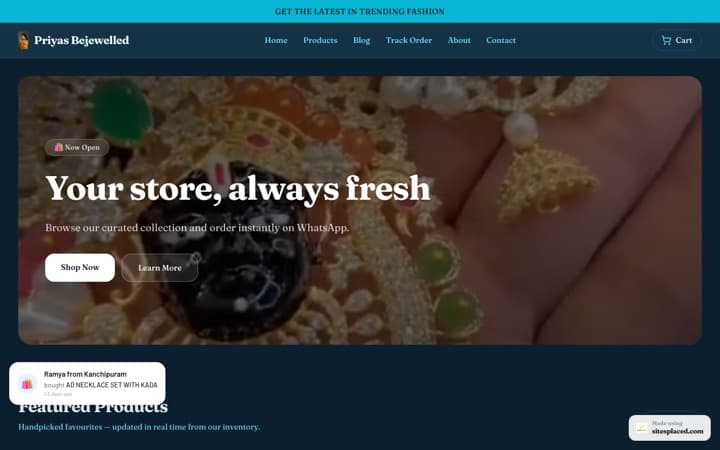
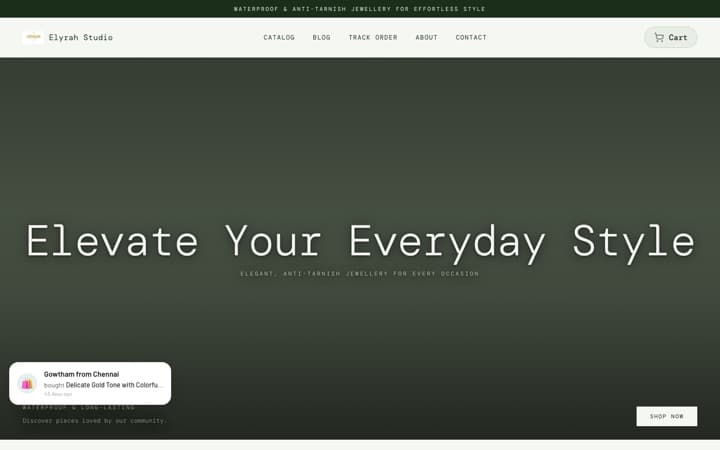
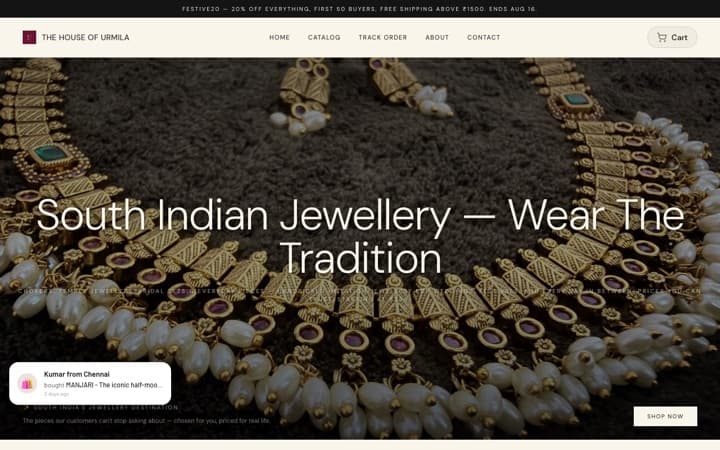
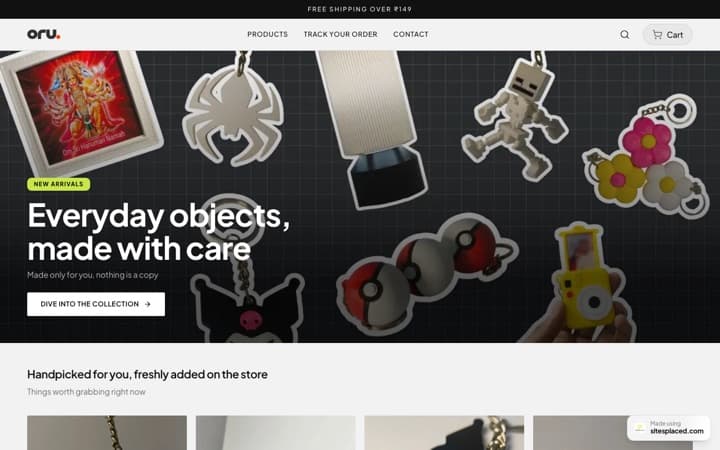
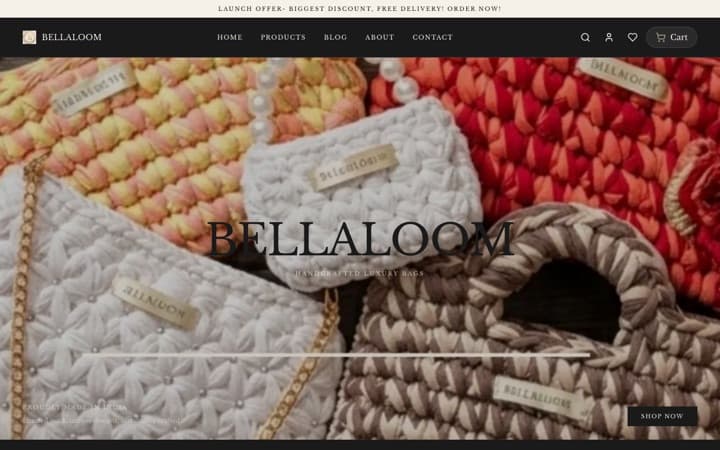
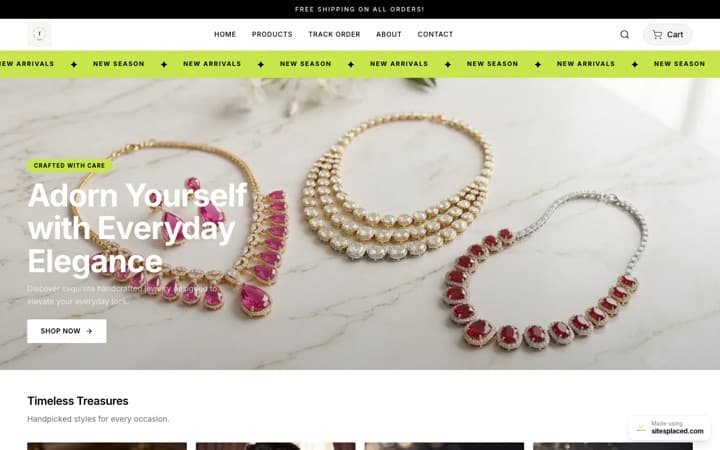
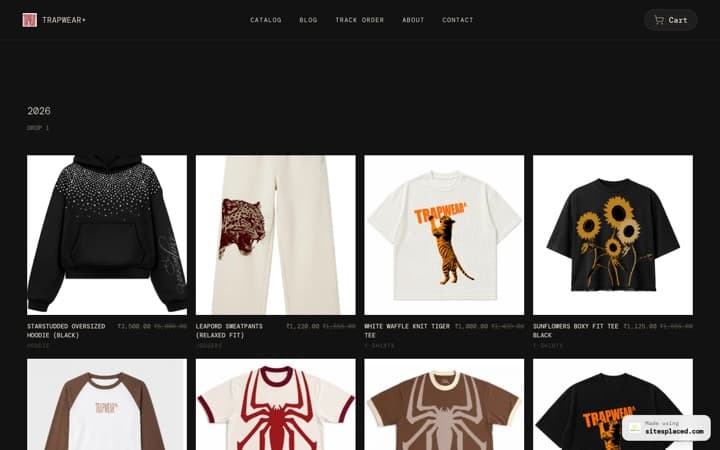
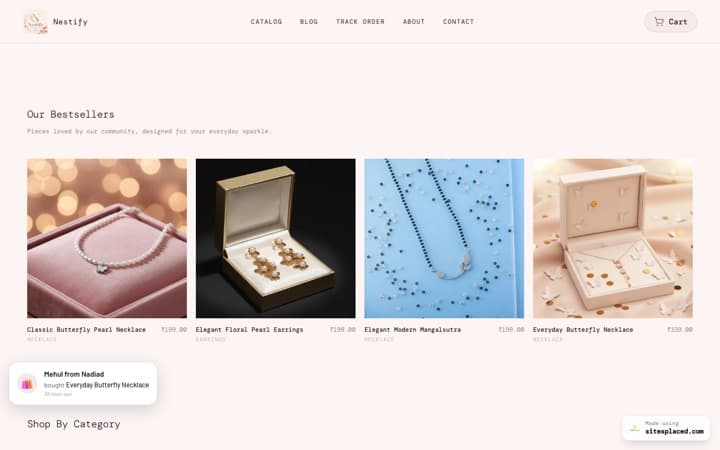
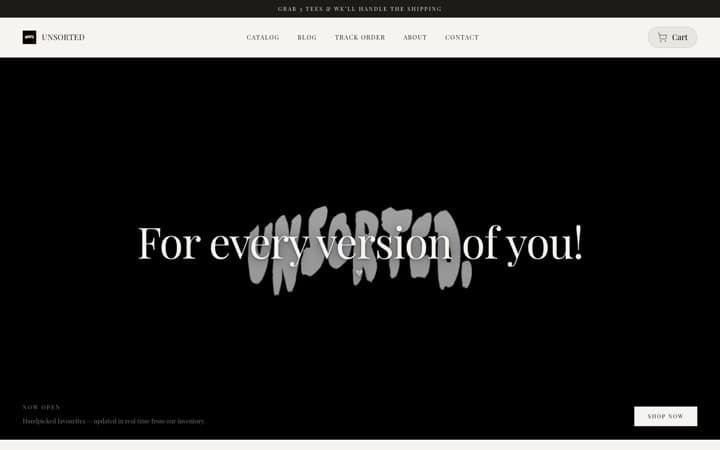
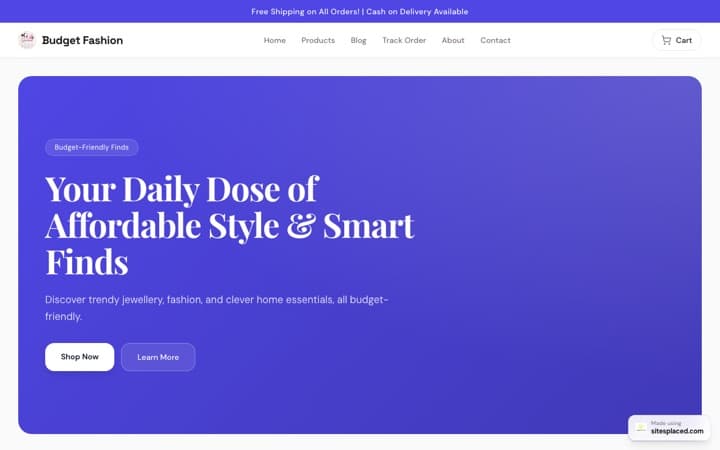
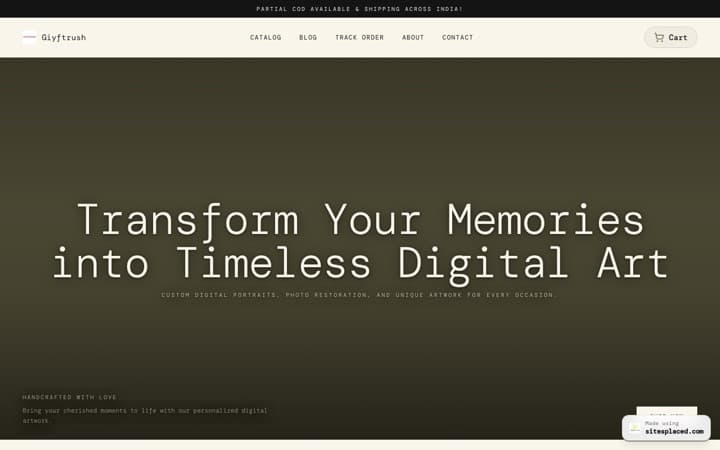
That's where owning a real store changes the game. A branded store on your own domain — with HTTPS, a visible refund and shipping policy, GST-ready invoices and order tracking — tells a stranger "this is a genuine business". Instagram is brilliant for discovery; it's a terrible place to close a sale, because it gives you nothing you own. A SitesPlaced store is the missing piece: your domain, your checkout, your customer list.
A clean way to start (compliant and credible)
- Keep a PAN and a dedicated account. Separate business money from personal from day one.
- Issue invoices for every order. Even before GST, a proper invoice signals professionalism. SitesPlaced generates GST-ready PDF invoices automatically.
- Publish your policies. A returns and shipping policy on a real page reassures buyers and reduces disputes.
- Use checkout people trust. UPI, Cash on Delivery and Razorpay are what Indian buyers expect — all built in on SitesPlaced with 0% commission.
- Register as you grow. Add GST when you cross the threshold or sell interstate; your records and invoices will already be in order.
Frequently asked questions
Do I need a license to sell clothes on Instagram in India?
For a small home-based clothing business you usually don't need a special 'Instagram licence'. You can start selling on a modest scale with a PAN. Formal registrations like GST become relevant once your turnover crosses the threshold or you sell across state lines. This is general guidance — check current rules or a CA for your situation.
Do I need GST to sell clothes online?
Not from day one for small volumes, but GST registration is generally required once you cross the turnover threshold or supply interstate. Many sellers register as they scale so they can issue proper tax invoices. SitesPlaced generates GST-ready PDF invoices automatically, so your store is set up correctly the moment you do register.
Is a PAN enough to start selling on Instagram?
A PAN is standard for any income-earning activity and is enough to begin selling clothes on a small scale. As you grow, you may add GST and, optionally, an Udyam/MSME registration. Treat this as general guidance and confirm specifics with a professional.
Does having my own store make me look more legitimate?
Yes. A branded store on your own domain — with a refund policy, shipping policy, HTTPS and GST-ready invoices — signals you're a real business, not a random DM seller. On SitesPlaced that legitimacy is built in, and it tends to convert better than a DM-only Instagram page.
Can I sell on Instagram before I register a business?
Many small sellers start before formal registration and register as they grow. The safer path is to keep clean records, issue invoices, and register for GST when you cross the threshold or sell interstate. SitesPlaced keeps order records and invoices in one dashboard so you're ready when that time comes.
Look legitimate from your very first sale
Your own domain, policies, GST-ready invoices and UPI/COD/WhatsApp checkout — the trust signals buyers look for. Free to build and publish, 0% commission — from ₹199/month (Starter) only for a custom domain, badge removal and AI.