

How to use influencer partnerships to actually grow sales
Done right, a single micro-influencer can send more buyers your way than weeks of your own posting. Done wrong, you ship free product, get a burst of likes, and see zero orders. The difference is in how you brief, track — and where you send the traffic.
The short version: pick relevant micro-influencers, brief them clearly, give each a unique code or link, and send their audience to a real store with checkout — not a DM. Then measure orders per campaign and double down on what worked. Paid traffic only pays off if it lands somewhere it can convert.
Why micro beats mega for small brands
It's tempting to chase the biggest account you can afford. Resist it. A creator with 200k followers and a generic audience will cost more and convert worse than three creators with 15k highly relevant, engaged followers in your exact niche. Micro-influencers feel like a friend recommending a product — and recommendations from friends are what move buyers.
For a small Indian clothing or beauty brand, the sweet spot is usually creators who already post about your category, ideally in your city or language. Read their comments: are people asking "where to buy," or just dropping fire emojis? Buying intent in the comments is the single best signal you'll find.
Finding and vetting the right creators
- Relevance first. Same niche, same audience. A food creator won't sell your jewellery, however big they are.
- Engagement over follower count. A high like-and-comment rate beats raw reach. Inflated follower counts are common.
- Audience location. If you only ship within India, an audience that's mostly overseas wastes your budget.
- Past partnerships. Have they promoted similar products and did people respond? Authentic creators say no to mismatched brands.
- The vibe fit. Their tone should match yours. A mismatch reads as a paid ad and converts poorly.
The brief: tell them what, not how
A good brief gives direction without strangling the creator's voice — their voice is what you're paying for. Cover the essentials and let them do the talking:
- • Deliverables: e.g. one Reel plus two Stories with a link sticker.
- • Key message: the one thing you want said (your hook, price point or offer).
- • Must-include: your store link and their unique discount code.
- • Dates: when it goes live, and how long Stories stay up.
- • Don'ts: anything off-brand or claims you can't back.
- • Usage rights: whether you can repost the content on your own channels.
Tracking ROI so you know what worked
The most common mistake is running collaborations on vibes — "it felt like it did well." Measure instead. Give each creator a unique discount code (e.g. RIYA10) and a dedicated link, then count the orders attached to them. Compare cost (product value or fee) against orders generated. After two or three campaigns you'll know which creators and formats actually move product.
But codes and links only mean something if they lead somewhere measurable. If your "link" is "DM to order," you have no clean way to attribute sales, and the orders that do come scatter into your inbox. You need a real checkout on the other end of that click.
Send paid traffic to a store, not a DM
Influencer traffic arrives as a spike: a Story goes live and a few hundred people tap through in an hour. A DM-only setup can't absorb that. You miss messages, mix up sizes, lose addresses in the scroll — and you paid for those buyers. The campaign "worked," but the orders leaked out the bottom.
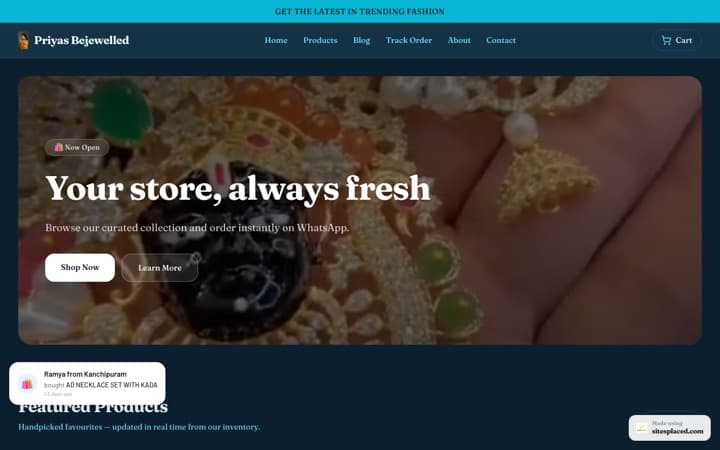
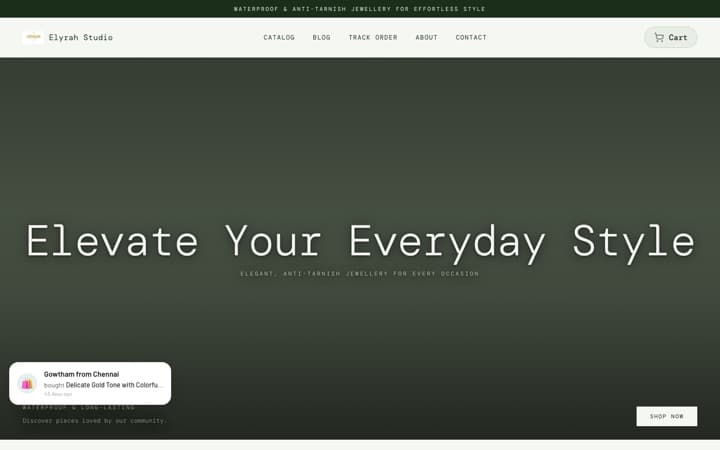
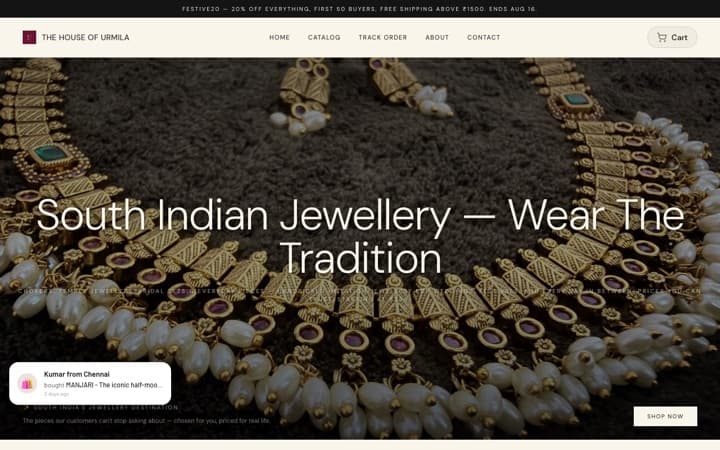
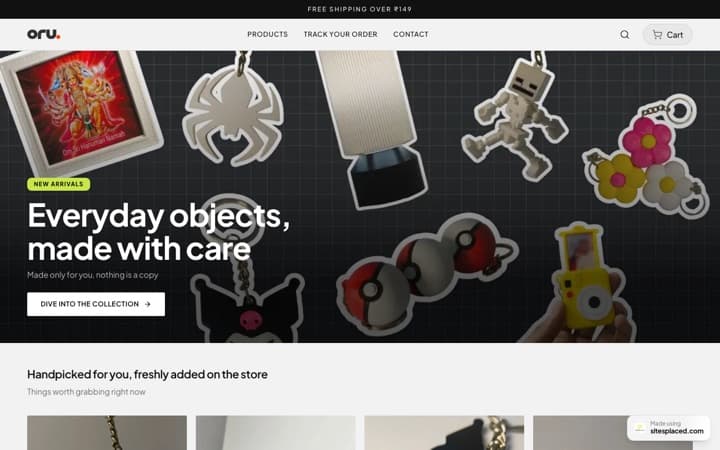
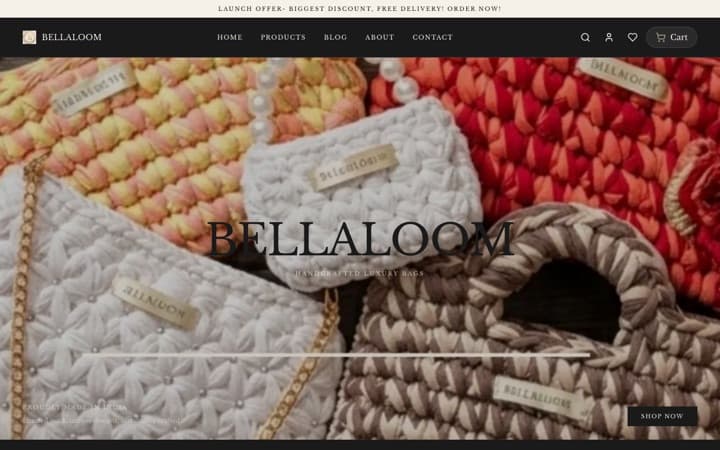
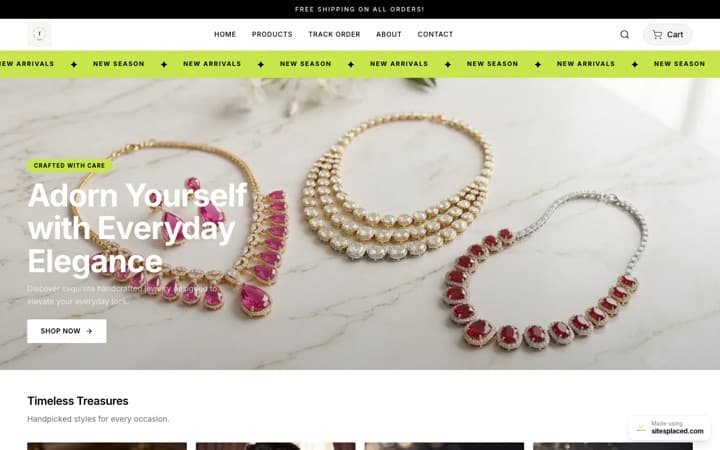
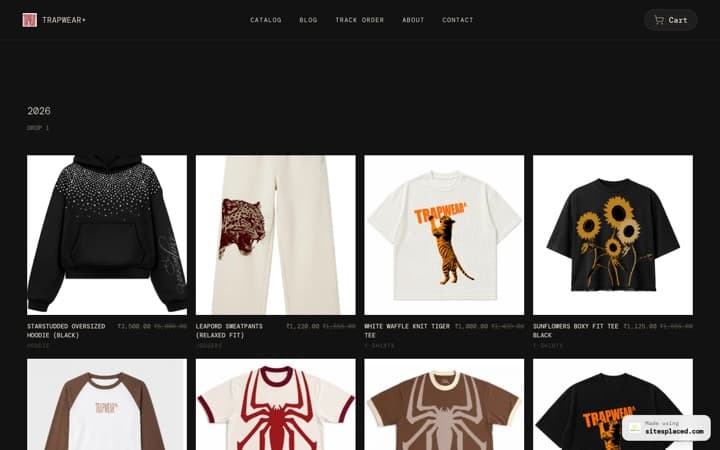
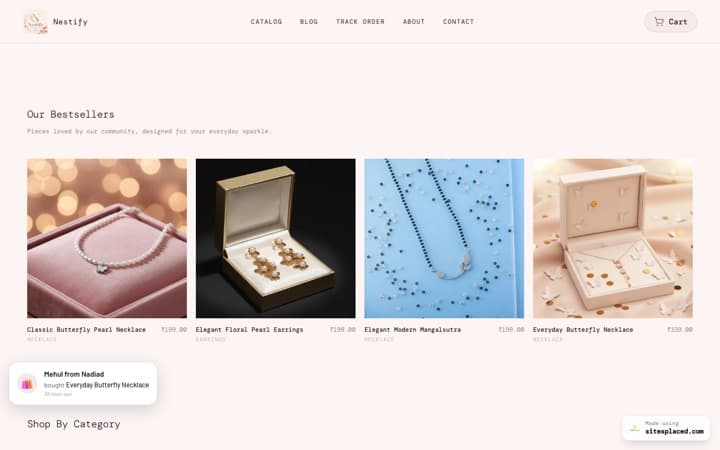
A store you own catches the whole burst. A SitesPlaced store gives the creator one clean yourbrand.com link that opens straight to your products, with UPI, Cash on Delivery, Razorpay and native WhatsApp checkout built in — and 0% commission, so the sales you paid to generate stay yours. Your order dashboard then shows exactly what came in during the campaign window, so attribution is real, not guessed. Discount codes, stock and GST invoices are handled automatically while you watch the orders land.
Frequently asked questions
How do I find the right influencers for my brand?
Start with micro-influencers (roughly 5k–50k followers) in your exact niche, ideally in your city or audience. Check their engagement and comments, not just follower count, and look at whether they've promoted similar products before. Smaller, relevant creators usually convert better and cost less than big accounts.
Should I pay influencers in cash or product?
Both work. Barter (free product) suits nano and micro creators and tests the relationship cheaply; paid deals make sense once you've seen a creator drive results. Whatever the model, agree deliverables, dates and usage rights in writing before anything ships.
How do I track ROI from an influencer campaign?
Give each creator a unique discount code or a dedicated link to a landing page, then count the orders that come through it. This only works if those clicks land on a real store with checkout. A SitesPlaced store with an order dashboard lets you see exactly which orders came in during a campaign.
Why send influencer traffic to a store instead of a DM?
Influencer traffic arrives in a burst, and DMs can't absorb a spike — orders get missed, sizes get confused, and you lose sales you paid for. A SitesPlaced store with UPI, COD, Razorpay and WhatsApp checkout handles the rush automatically, so every interested buyer can complete the purchase.
How much should a small brand spend on influencers?
Start small and treat the first few collaborations as paid experiments. Run a couple of micro-creator partnerships, measure the orders per campaign through your store, then put more budget behind whatever produced real sales rather than just likes.
Give your campaigns a place to convert
Send influencer traffic to a store that catches every order and tracks every code. Free to build & publish, 0% commission, with UPI, COD and WhatsApp checkout built in; ₹199/month (Starter) adds a custom domain, branding removal and AI.