


Best Instagram hashtags for online stores — think of them as SEO for Instagram
Hashtags are how the right buyer stumbles onto your post in a sea of millions. The trick isn't finding the "biggest" tags — it's building a mix that gets you discovered, then sending that discovery somewhere it can turn into a sale.
The short version: mix niche, intent, location, community and branded tags — relevance over volume. Hashtags bring reach; they don't take payments. Point that reach at your bio link → your store → a real UPI/COD/WhatsApp checkout, and the discovery starts paying for itself.
The five buckets of a strong hashtag set
Niche tags
Describe exactly what you sell#handmadejewellery #cottonkurti #scentedcandles #streetwearindia — specific enough that the people searching them actually want your product.
Intent tags
Catch buyers, not browsers#shopnow #onlineshoppingindia #supportsmallbusiness #ootdindia — used by people in a buying or shopping mindset, not just scrolling.
Location tags
Reach buyers near you#delhiboutique #mumbaifashion #bangaloreshopping — strong for COD-heavy categories and local delivery.
Community tags
Tap into existing audiences#sareelove #plantsofindia #homedecorindia #makeupindia — large interest communities where your buyer already hangs out.
Branded tags
Own your name#yourbrandname #yourbrandootd — your own tag that collects customer photos and builds a searchable home for your reviews and UGC.
Big tags vs small tags — why size matters
A tag with millions of posts buries you in seconds; you're competing with the entire world and your post sinks. A tag with a few thousand posts is small enough that your content can stay visible long enough to be found by people who genuinely care about that exact thing. The sweet spot is a ladder: a couple of broad tags for occasional luck, a handful of mid-size tags for steady reach, and several small, hyper-specific tags where you can realistically rank near the top.
This is exactly how search engine keywords work — and it's why hashtags reward intent over popularity. #shopnow on a thirsty audience beats #love on no one.
Hashtag mistakes that quietly cost you reach
- • Using only mega-tags where your post vanishes instantly.
- • Copy-pasting the identical block on every post — it reads as spam.
- • Irrelevant trending tags that bring the wrong audience and hurt engagement.
- • Banned or spammy tags that quietly suppress your reach.
- • Earning the reach, then sending it to a dead Linktree or a DM instead of a real store.
The honest part: hashtags don't take payments
Here's the truth most hashtag guides skip. You can nail the perfect tag set, land on a few explore pages, and watch your reach spike — and still make zero sales. Why? Because a hashtag's entire job ends the moment someone taps your profile. What happens next is on you. If the path from "interested" to "bought" runs through a DM, a UPI ID and a hopeful screenshot, most of that hard-won reach evaporates.
Discovery and conversion are two different jobs. Instagram is brilliant at the first and was never built for the second — especially in India, where there's no native UPI, COD or WhatsApp checkout inside the app. So treat hashtags as the top of your funnel and give them somewhere to send people — ideally a proper website for your Instagram shop.
Where the reach should land: your own store
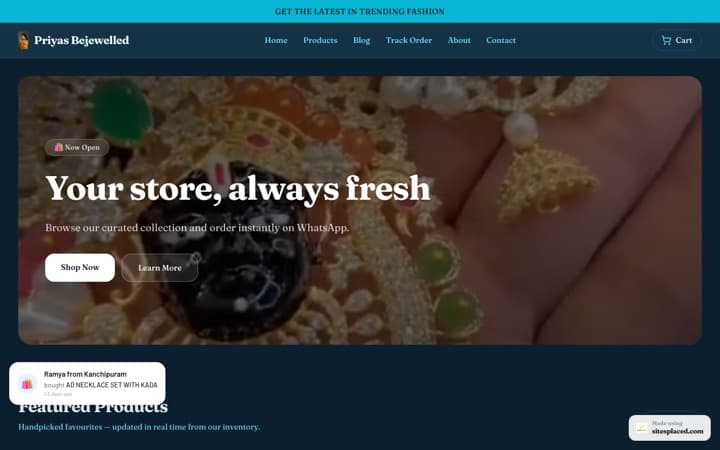
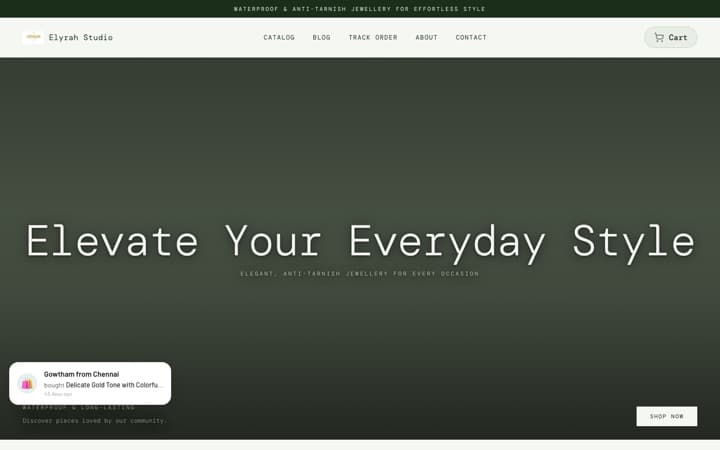
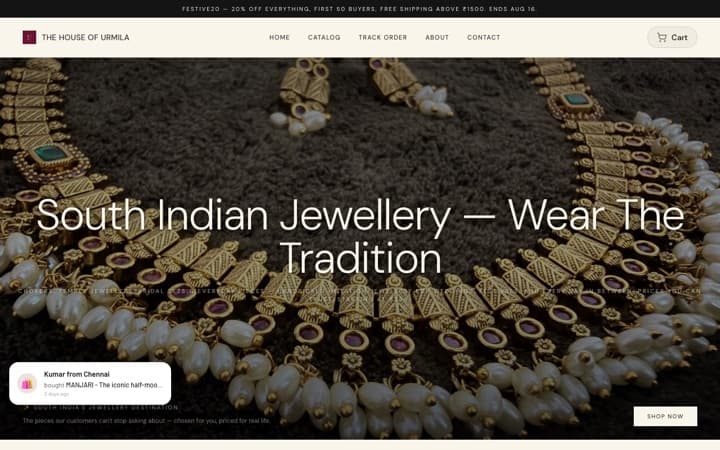
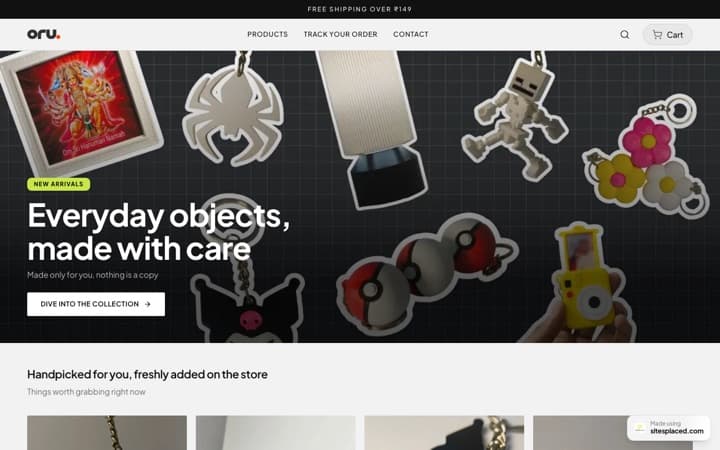
Put a store behind your bio link and the equation changes. A buyer who found you through #delhiboutique taps through to a real product page on your own domain, picks a size, and pays by UPI, Cash on Delivery, card or WhatsApp — in one flow, no DM ping-pong. You get a GST-ready invoice, the order lands in a dashboard, and the customer becomes yours, not the algorithm's.
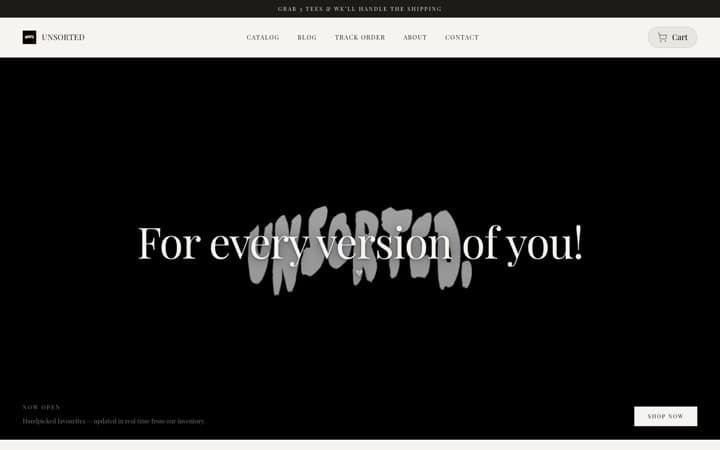
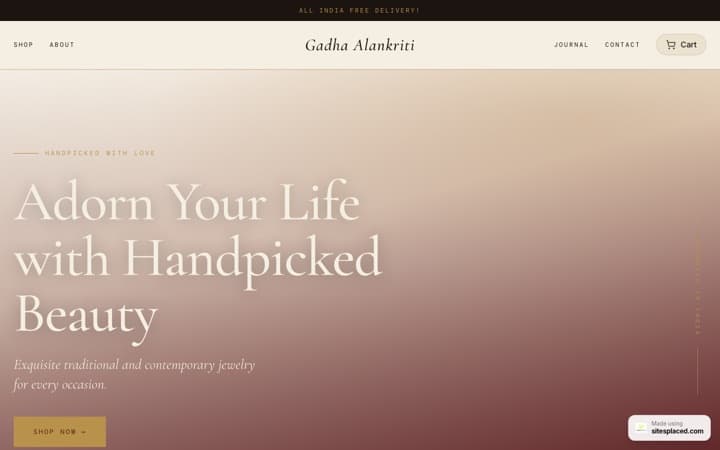
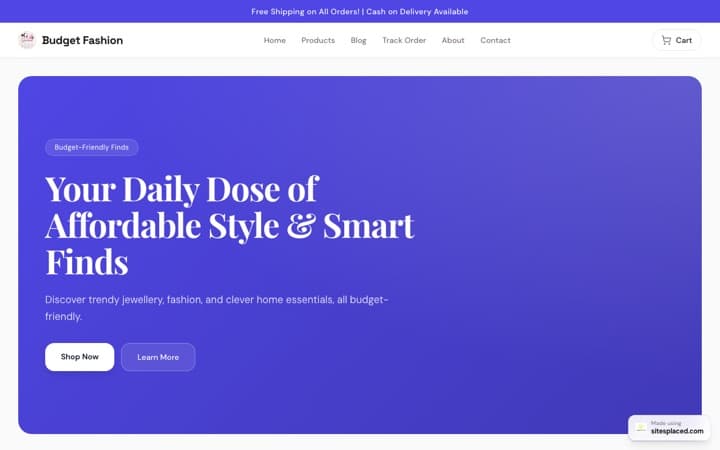
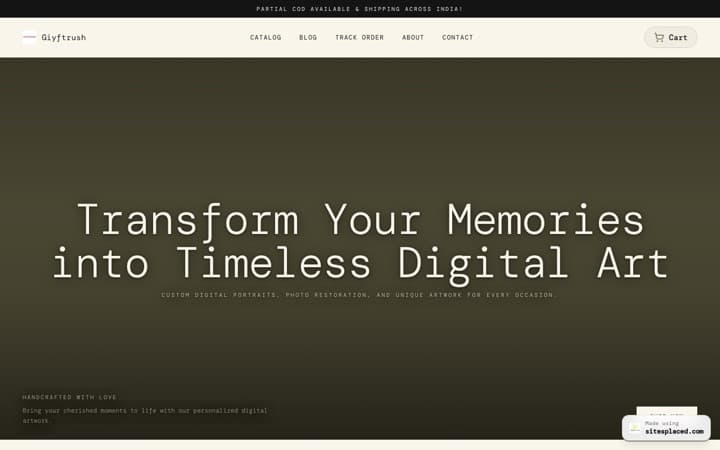
A SitesPlaced store is built for exactly this hand-off: 15 vertical-fit templates, AI-written product descriptions, a custom domain and hosting, and UPI / COD / Razorpay / WhatsApp checkout built in — free to build AND publish at 0% commission, with Starter from ₹199/month only for a custom domain, badge removal and AI. Hashtags get you found; your store gets you paid.
Frequently asked questions
How many hashtags should an online store use on Instagram?
A focused mix of around 8–15 relevant tags usually works better than stuffing the maximum. Blend a few niche tags, a couple of intent tags, one or two location tags, some community tags and your own branded tag. Relevance beats volume — and whatever reach you get, make sure your bio link sends people to a store where they can actually buy.
Do hashtags still work for selling on Instagram in 2026?
Yes — hashtags act like SEO for Instagram, helping the right people discover your posts and Reels. But discovery is only step one. Hashtags bring reach; a real checkout converts it. The sellers who win pair good hashtags with a store (their own domain, UPI/COD/WhatsApp checkout) instead of trying to close every sale in the DMs.
What's a branded hashtag and do I need one?
A branded hashtag is your own tag — usually your store name — that collects customer photos, reviews and user content in one searchable place. It builds social proof and makes your brand feel established. Pair it with a SitesPlaced store so the social proof on Instagram links straight to a place buyers can purchase.
Why isn't my Instagram reach turning into sales?
Reach without a frictionless place to buy leaks. If a discovered buyer has to DM you, wait for a reply, get a UPI ID and send a screenshot, most drop off. The fix is a store: put a real product page and checkout behind your bio link so the reach hashtags create actually converts. SitesPlaced gives you that store with 0% commission.
Should I reuse the same hashtags on every post?
Vary them by post and product so Instagram doesn't read your account as repetitive, and so you reach different pockets of buyers. Keep a small core set (including your branded tag) and rotate niche, intent and community tags to match each item. Always end the journey at your store, not a dead link-in-bio.
Give your reach somewhere to convert
Send your hashtag traffic to a store you own — real product pages and UPI/COD/WhatsApp checkout. Free to build & publish, 0% commission; from ₹199/month (Starter) only for a custom domain, badge removal and AI.