


How to know if a seller is scamming customers — and how honest sellers prove they aren't
Most online scams share the same fingerprints: no website, no policies, no paper trail. The flip side is the most useful lesson for any genuine seller — the exact signals that make a buyer feel safe handing over their money.
The short version: bad actors hide inside DMs with no website, no policies and no invoices. Genuine sellers do the opposite — a real store on their own domain, clear policies, COD as well as prepaid, and an invoice for every order. A SitesPlaced store hands honest sellers all of those trust signals out of the box.
The five fingerprints of a bad actor
No website — only a DM
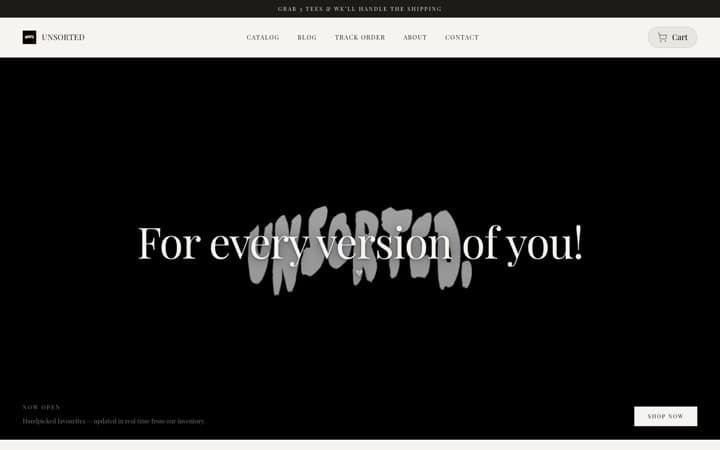
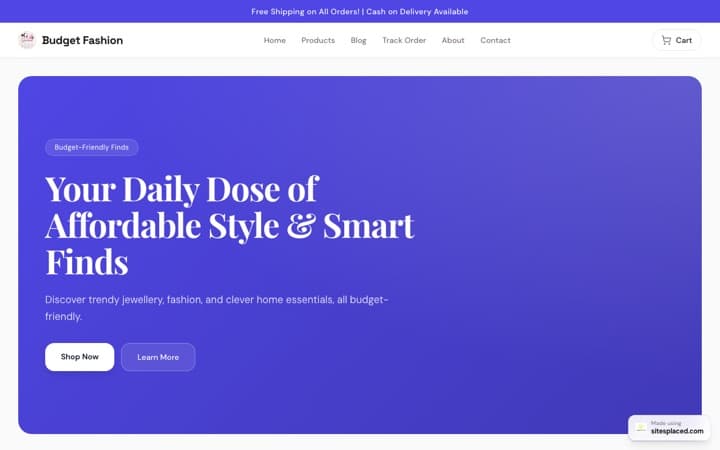
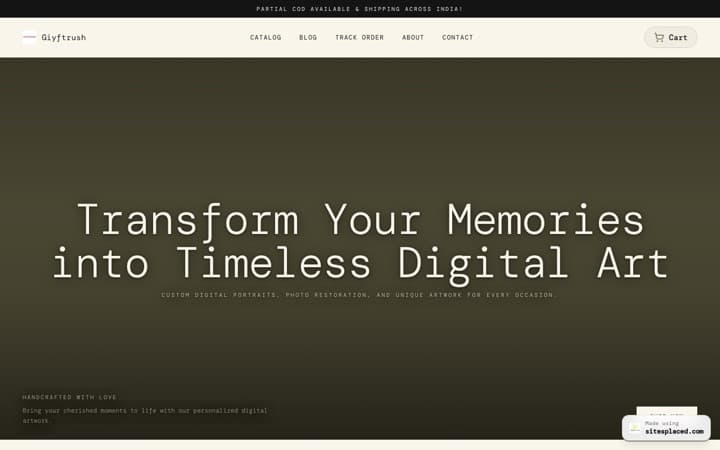
A bad actor lives entirely inside Instagram, where they can be banned and vanish overnight. A genuine seller has a real website on their own domain that exists independently of any social app.
No visible policies
Scammers avoid committing to anything. Genuine sellers publish clear shipping, return and refund policies up front, so a buyer knows exactly what happens if something goes wrong.
Prepaid-only, with pressure
'Pay now or you lose the deal' is a classic pressure tactic. Credible sellers offer trusted payment rails — UPI, Cash on Delivery, cards — and don't punish you for wanting COD on a first order.
No invoice, no record
If there's no invoice and no order number, there's no paper trail. Real sellers issue proper GST-ready invoices and keep traceable orders that a customer can reference later.
Stolen photos, no proof
Bad actors reuse other brands' images and have no real reviews. Genuine sellers show their own product shots, real customer reviews, and a consistent identity across their site and socials.
The honest seller's problem
Here's the uncomfortable truth: scammers and brand-new genuine sellers can look identical from the outside. Both might be a fresh Instagram page with a handful of posts and a DM-only checkout. The buyer can't read your intentions — they can only read your signals. If your store looks exactly like a scam page, careful buyers will treat it like one, and you'll lose the very customers who'd have become loyal.
So the real question for a genuine seller isn't "am I honest?" — of course you are. It's "do I look as trustworthy as I actually am?" That gap between being genuine and looking genuine is where a lot of small sellers quietly bleed orders.
How to look as credible as you really are
- • Own a website. A store on your own domain (HTTPS, your brand name in the URL) is the single strongest signal that you're a real business, not a disappearing page.
- • Publish your policies. Shipping timelines, returns and refunds, written plainly, tell a buyer you've thought about what happens after they pay.
- • Offer COD, not just prepaid. Letting a first-time buyer pay on delivery is the clearest "I'm confident in what I'm selling" you can send.
- • Invoice every order. A GST-ready invoice with an order number turns a chat into an accountable transaction.
- • Let them track it. Order tracking and a real dashboard mean a customer is never left wondering where their parcel is.
Why your own store is the trust signal
Every item on that checklist points to the same thing: you can't fake permanence inside someone else's app. An Instagram page can be reported, banned or shadow-deleted, and the seller behind a scam relies on exactly that disposability. A website on your own domain is the opposite — it has an address that's yours, a checkout that issues invoices, and a record of every order. It says, quite simply, "I'm not going anywhere."
That's the case for treating Instagram as discovery and a store as where business actually happens. A SitesPlaced store gives an honest seller hosting, built-in UPI / COD / Razorpay / WhatsApp checkout, GST-ready PDF invoices, Shiprocket tracking, and an order dashboard — the full set of trust signals — free to build and publish at 0% commission, with ₹199/month (Starter) adding a custom domain, branding removal and AI. You don't assemble credibility piece by piece; it comes with the store.
Frequently asked questions
How can I tell if an online seller is genuine?
Look for ownership and a paper trail: a real website on their own domain (not just a DM), clear shipping and refund policies, trusted payment options like UPI and Cash on Delivery, proper invoices with order numbers, and genuine reviews with original photos. A seller who has all of these is signalling they intend to stick around and be accountable.
Why does having a website make a seller look more credible?
A website on your own domain can't be deleted by an algorithm, shows policies and contact details in one trusted place, runs on HTTPS, and gives every order an invoice and a record. It signals permanence and accountability — the opposite of a throwaway page. A SitesPlaced store gives honest sellers exactly these signals: custom domain, hosting, policies, GST invoices and an order dashboard.
I'm a genuine seller — how do I avoid looking like a scammer?
Remove the red flags before a buyer can spot them: get your own website and domain, publish clear policies, offer Cash on Delivery alongside prepaid, send a real invoice with every order, and let buyers track their order. On SitesPlaced these come built in, so credibility isn't something you have to assemble piece by piece.
Is Cash on Delivery a sign of a trustworthy seller?
Offering COD is a strong trust signal because it means the seller is confident enough to let a new customer pay only when the product arrives. Scammers usually insist on prepaid. SitesPlaced has COD built in alongside UPI and cards, so honest sellers can offer the option buyers find reassuring.
Do invoices and order tracking really matter for trust?
Yes. An invoice and an order number turn a private chat into an accountable transaction the customer can reference, dispute or reorder from. SitesPlaced auto-generates GST-ready PDF invoices and tracks every order's status — paid, pending, shipped, delivered — so your customers always have proof and you always have a record.
Look exactly as trustworthy as you are
Your own domain, clear policies, COD, GST invoices and order tracking — the trust signals genuine buyers look for, all built in. Free to build & publish, 0% commission; ₹199/month (Starter) adds a custom domain, branding removal and AI.