


Red flags when shopping on Instagram — and what they teach sellers
Plenty of real brands sell on Instagram — but the platform vouches for none of them. This is a buyer's checklist for spotting a risky shop before you pay, and a quiet lesson for honest sellers on exactly what makes buyers hesitate.
The short version: the danger signs are a DM-only shop, prepaid-only transfers to a personal number, no policies, stolen photos, and no reviews or tracking. Buyers: slow down when you see them. Sellers: every one of these is a thing a real store removes.
The 5 red flags to watch for
No website — only a DM
If the only way to buy is 'DM to order' with no real storefront, you have no address, no policies, and no record. Genuine sellers send you to a website on their own domain where you can see prices, terms and a proper checkout.
Prepaid-only, UPI-to-a-personal-number
Being pushed to pay in full upfront to a personal UPI ID — with no Cash on Delivery option and no invoice — is the single biggest warning sign. Real stores offer COD or a proper payment gateway and issue an invoice for what you paid.
No return, refund or shipping policy
If you can't find clear policies anywhere, you have no recourse if the order goes wrong. Trustworthy stores publish their policies on the site so the rules are agreed before you pay.
Stolen or stock photos
Suspiciously perfect, watermark-cropped images that show up on many accounts often mean the seller doesn't actually have the product. Reverse-image-search a photo if something feels off.
No reviews, no order tracking, no traceable history
No reviews, no way to track your shipment, and a brand-new account with bursts of followers are all reasons to slow down. A seller who gives you order tracking and a public review trail has nothing to hide.
A 30-second safety check before you pay
- Tap the bio link. Does it go to a real website on its own domain, or a dead end?
- Look for HTTPS. A secure padlock and a custom domain beat a random link-in-bio page.
- Find the policies. Returns, refunds and shipping should be written down, not improvised in chat.
- Prefer COD or a gateway. Avoid full prepaid to a personal UPI ID with no invoice.
- Check the trail. Reviews, order tracking and an account history that doesn't look freshly inflated.
Sellers: turn every red flag into a green one
If you sell honestly, this list is your conversion blueprint. Cautious buyers aren't rejecting your product — they're reacting to missing trust signals. Give them what they're looking for and the hesitation disappears.
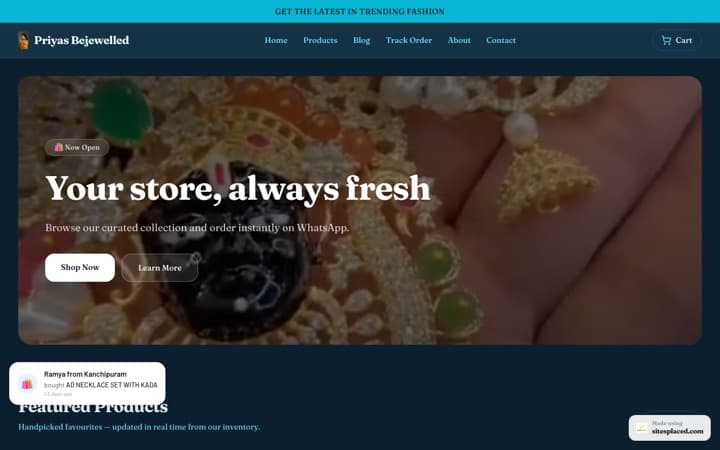
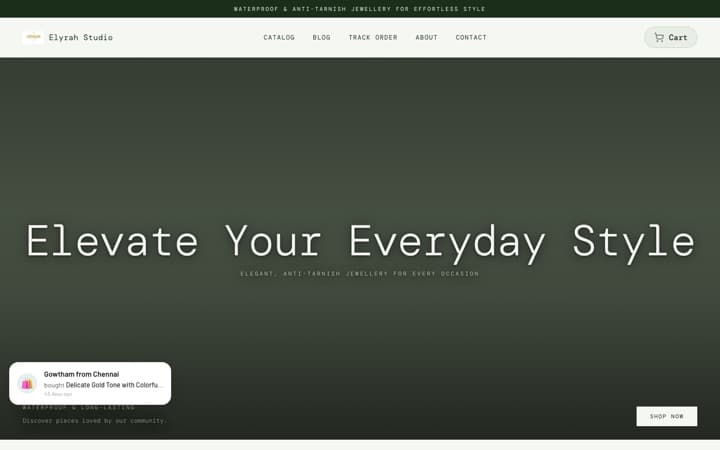
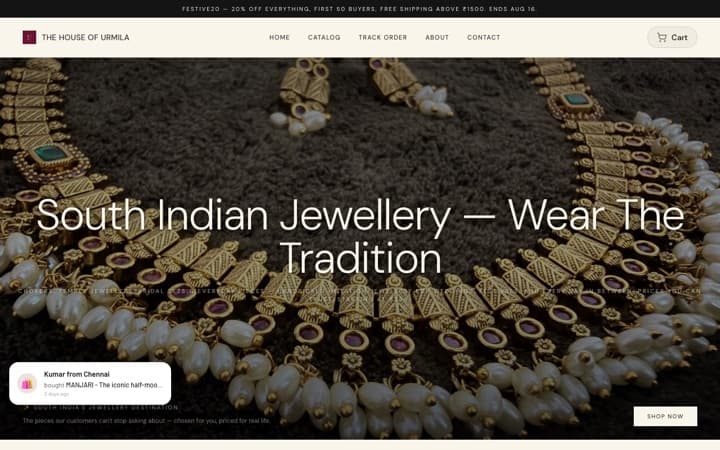
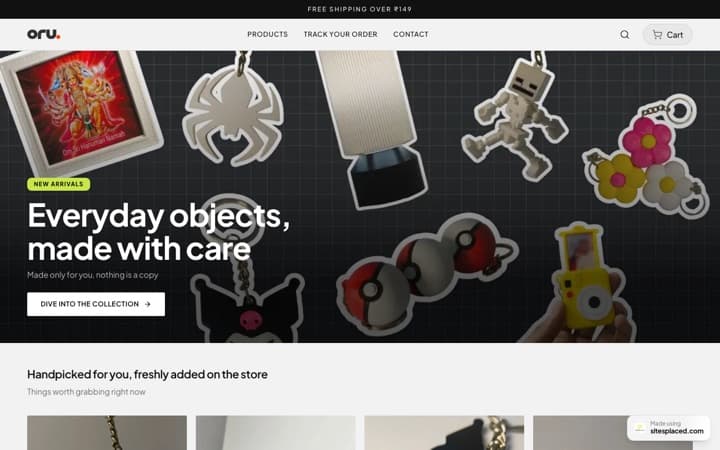
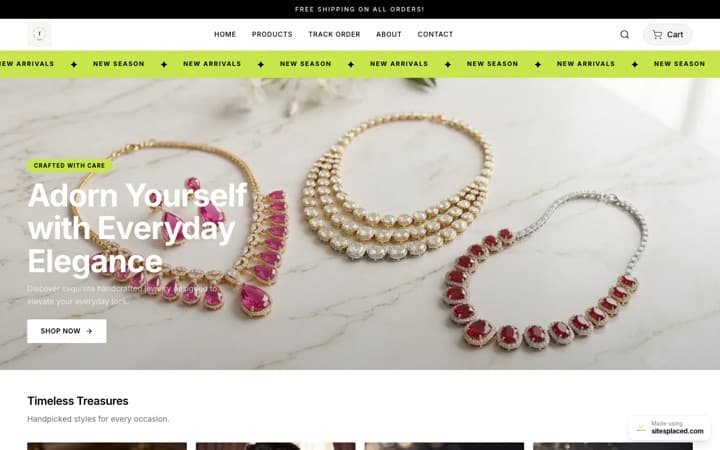
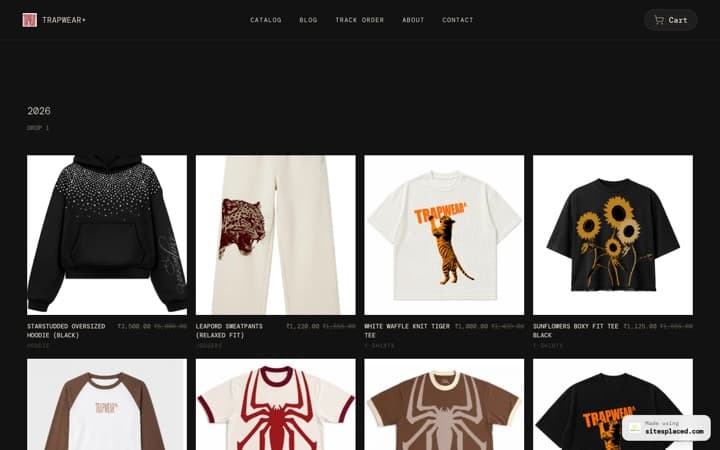
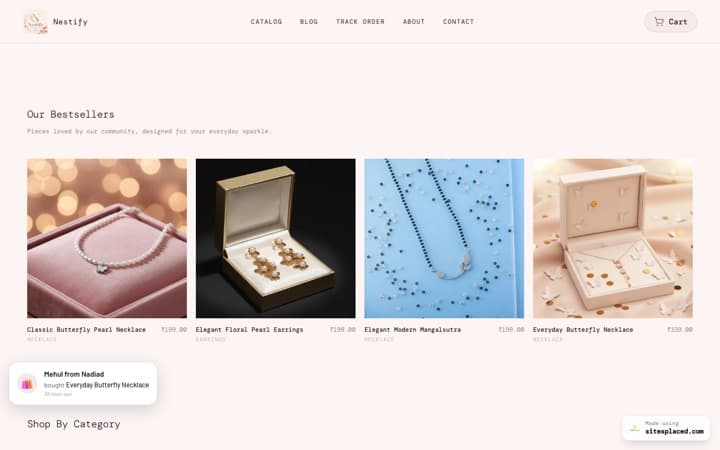
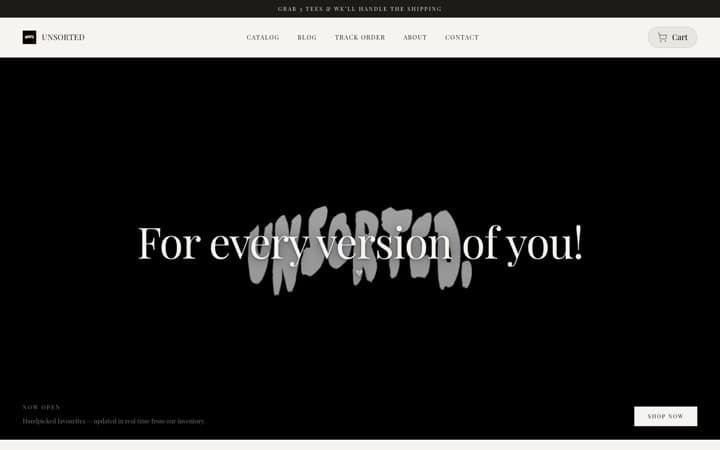
That's exactly what owning a real store does. A SitesPlaced store puts you on your own custom domain with HTTPS, lets you publish clear policies, and offers UPI, Cash on Delivery and Razorpay so buyers aren't asked to "just transfer." GST-ready invoices generate for every order, Shiprocket gives real tracking, and an order dashboard keeps a traceable record — the opposite of a disposable DM.
Instagram is still where buyers discover you. But the moment they want to pay, sending them to a store you own — not a prepaid DM — is what separates a brand they trust from a page they screenshot and walk away from.
Frequently asked questions
Is it safe to buy from Instagram shops?
It can be — many real brands sell on Instagram — but Instagram itself doesn't vouch for any seller. Safety comes from the trust signals around the shop: a real website on a custom domain, clear policies, proper payment options like COD or a gateway, invoices, order tracking and genuine reviews. Treat a DM-only, prepaid-only page with caution.
What is the biggest red flag when buying on Instagram?
Being forced to pay in full upfront to a personal UPI ID with no website, no invoice and no Cash on Delivery option. Legitimate sellers give you a real checkout, a record of your payment, and usually a COD choice — they don't rely on 'trust me' transfers to a personal number.
How do I know if an Instagram seller is genuine?
Look for a link to their own website (not just a Linktree), HTTPS and a custom domain, published return and shipping policies, real reviews, order tracking, and proper invoices. Sellers who own a real store — for example one built on SitesPlaced — show all of these by default, which is exactly why buyers trust them more.
I'm a seller — how do I avoid looking like a scam?
Remove every red flag buyers look for. Get your own domain, publish clear policies, offer COD and proper payments, issue invoices, and give order tracking. A SitesPlaced store provides all of this — custom domain, UPI/COD/Razorpay, GST-ready invoices, Shiprocket tracking — so honest sellers signal trust instantly.
Why does a website make a seller more trustworthy?
A website is something the seller owns and is accountable for: it has a fixed address, HTTPS, stated policies, a real checkout, and a record of your order. Compared to a disposable DM thread, it gives the buyer recourse and the seller a reputation to protect — which is why a real store consistently converts cautious buyers better than a page.
Be the seller buyers trust
Remove every red flag with your own domain, real policies, COD and proper invoices. Free to build and publish at 0% commission, with tracking and GST invoices built in; from ₹199/month (Starter) only adds a custom domain, removes the badge and unlocks AI.