

Can Claude build a website? Yes — here’s how (2026)
By Manan Agrawal, Founder · July 19, 2026
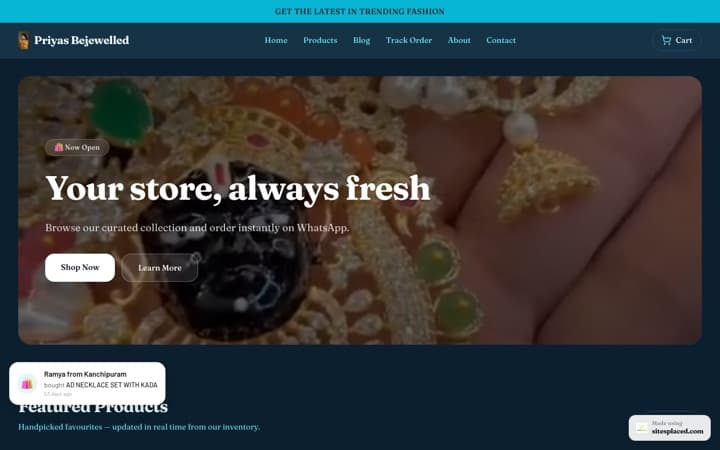
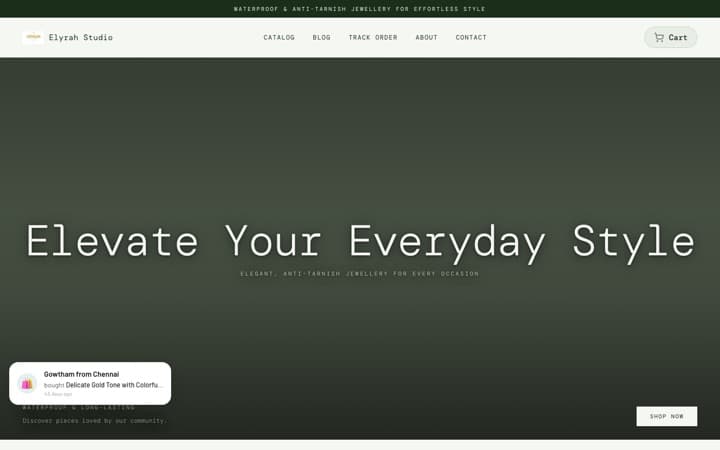
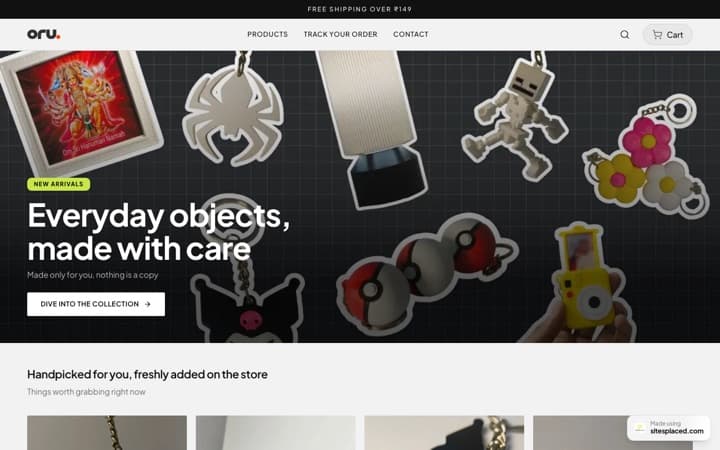
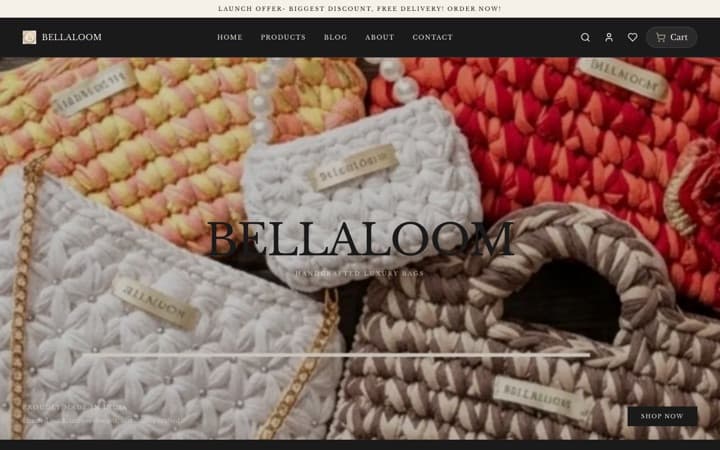
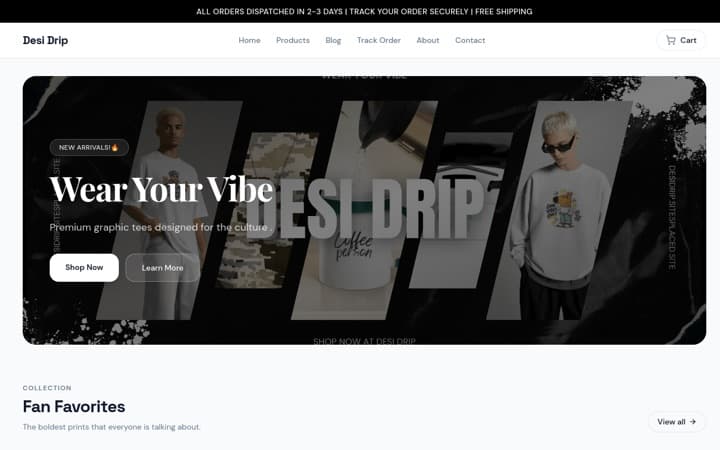
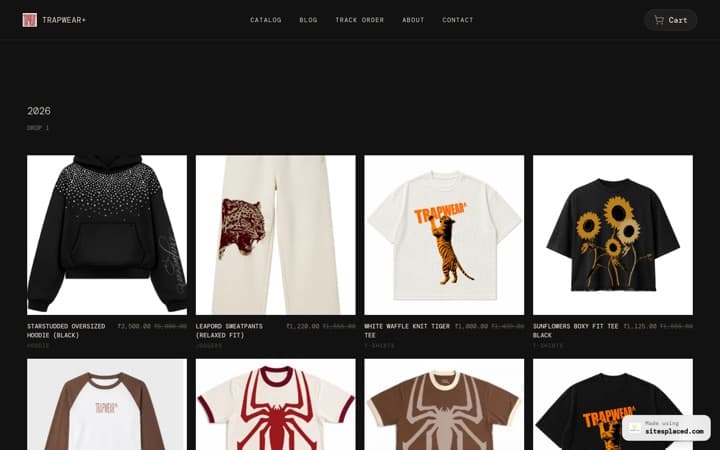
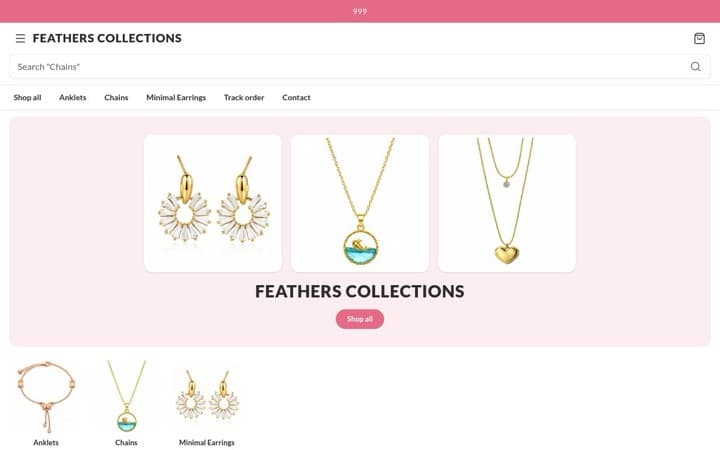
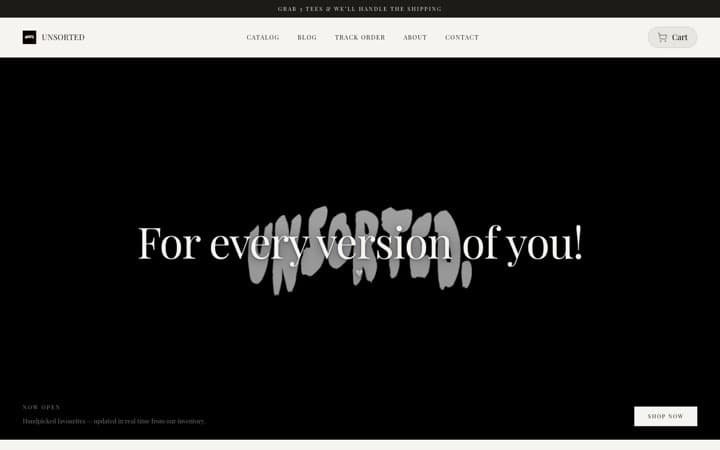
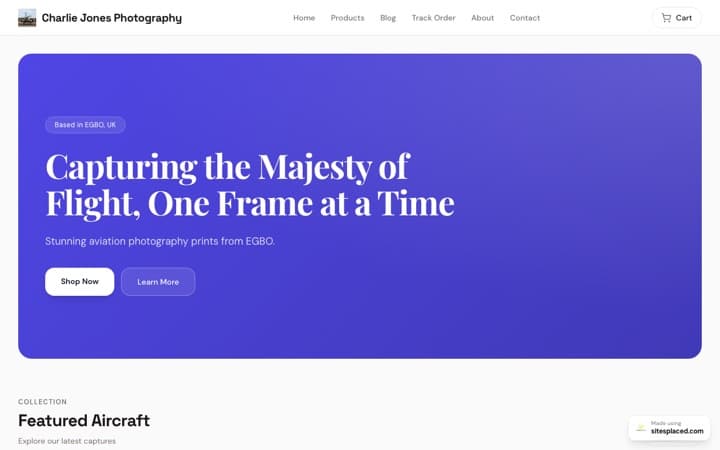
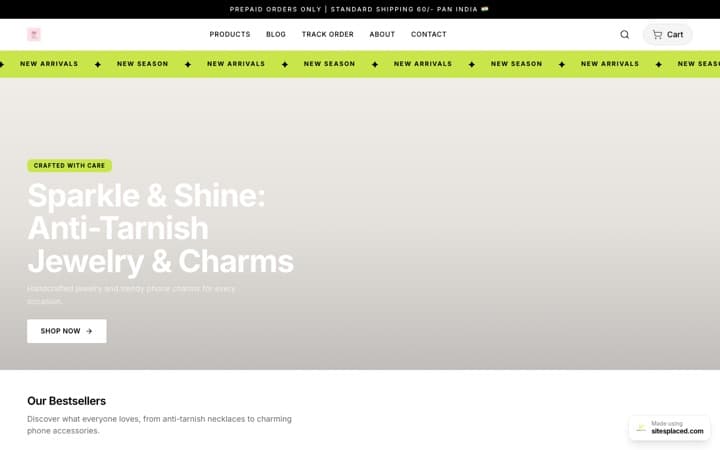
Yes — Claude can build you a real, hosted website, not just code. On its own, Claude writes HTML or artifacts you’d still have to host somewhere. But add the free SitesPlaced connectorin claude.ai’s settings and Claude gains actual building tools: say “build me a website for my yoga classes,” and it creates the site, writes every section, picks the design, and publishes it live — free, at yourname.sitesplaced.com. You only ever pay for a custom domain.
What Claude can do on its own (and where it stops)
Ask plain Claude for a website and you’ll get something impressive-looking: an artifact — a live-rendered page in a side panel — or a block of HTML and CSS. For a mockup, a design direction, or a component for your own software engineer portfolio site, this is genuinely useful.
But an artifact is not a website. It has no address customers can visit, no hosting, no working forms, no checkout. Turning that code into a real site means buying hosting, learning to deploy, and repeating the dance for every edit. That gap — between “Claude wrote a page” and “my business is online” — is exactly what a connector closes.
The connector way: give Claude a real builder
SitesPlaced runs an MCP server — a standard way for AI assistants to use real tools. Connecting it takes about two minutes:
Add the connector in claude.ai
Open claude.ai → Settings → Connectors → Add custom connector, and paste https://sitesplaced.com/api/mcp. You'll be asked to sign in to SitesPlaced (or create a free account) and approve access — OAuth, no API keys to copy.
Ask for a website in plain language
Describe your business, your tone, what the site should do. Claude reads SitesPlaced's section vocabulary and templates, then authors a complete site — sections, real copy, theme colors and a font — and creates it with one tool call.
Review, refine, publish
Claude sends back a link. Ask for changes in the same chat — "make the hero warmer", "swap the order of sections" — and it edits the live content. Publishing is free; the paid step, ever, is a custom domain plus badge removal.
A nice detail: with the connector, Claude is the author. It writes your headlines and body copy itself, so the words reflect everything you told it — your city, your offer, your voice — not a generic template fill.
What a real build conversation looks like
You:Build me a website for my yoga studio in Jaipur — Ashtanga and prenatal classes, morning batches, first class free. Calm, earthy tone. Call it “Prana Yoga Jaipur”.
Claude:I’ll put together a site with a hero, about, class schedule, pricing, testimonials and a contact section, in a warm earthy theme. Creating it now… Done — your site is live at prana-yoga-jaipur.sitesplaced.com. Want me to adjust anything?
You: The hero headline is too generic. Mention the free first class right there.
Claude:Updated — the hero now reads “Your first class is free. Breathe, stretch, and start mornings differently in Jaipur.” The change is already live.
Behind the scenes those turns are tool calls — create the site from a blueprint, update one section — but you never manage any of that.
For developers: Claude Code and Claude Desktop
The same connector works outside the browser. In Claude Code (the terminal agent), one command registers it:
claude mcp add --transport http sitesplaced https://sitesplaced.com/api/mcp
Then run /mcpto sign in. From there you can script real workflows — “read products.csv and add each one to my store” — under the same account and safety rules. Claude Desktop picks up connectors from the same Settings → Connectors screen as claude.ai. Setup notes for every client live on the MCP page.
Honest limitations
- Scope is deliberately narrow.Claude can’t touch billing, buy domains, inject tracking scripts, or read your customers’ orders — those stay in the dashboard, on purpose.
- Plan rules still apply. Free publishing covers websites, portfolios and stores; if something needs an upgrade or one-time unlock, Claude gets a pricing link to pass you instead of a workaround.
- Pixel-perfect art direction still wants the editor. For fine-grained visual tweaks, open the same site in the visual editor — both edit the same thing.
- Claude’s own usage limits apply— a long build-and-refine session spends your Claude plan’s message allowance.
Frequently asked questions
Is building a website with Claude free?
Yes. The SitesPlaced connector is free to add, and every site Claude builds publishes free at yourname.sitesplaced.com with a small badge — including online stores with UPI, COD and WhatsApp checkout at 0% commission. You only pay (from ₹199/month) for a custom domain and badge removal. Claude's own plan limits on messages still apply.
Does this work in ChatGPT too?
Yes — the same SitesPlaced connector works in ChatGPT via developer-mode connectors, so ChatGPT can build and publish the exact same sites. The setup path is slightly different; see our guide: can ChatGPT build a website? Read the ChatGPT version →
Do I need to know how to code?
No. You describe the site in plain language and Claude authors the sections, copy, theme and font itself, then calls the builder. There is no code to run or deploy — the result is a normal SitesPlaced site you can also open in the visual editor anytime.
Can Claude edit a site I already built on SitesPlaced?
Yes. Once connected, Claude can list every site on your account, rewrite one section or a whole page, update a store's products, and publish or unpublish — all by conversation.
Is it safe to connect Claude to my account?
The connector uses OAuth — you sign in and approve access; no API keys are shared. It only sees sites your account owns, and it has no access to billing, domains, tracking scripts or customer order data. Deleting a site requires explicit confirmation, and you can revoke access anytime.
Let Claude build it — free
Create a free SitesPlaced account, add the connector in claude.ai, and describe your website. Publishing is free — you only ever pay for a custom domain.