
In person or DM? how to pitch small shops in 2026
If you supply products to small shops — wholesale clothing, accessories, snacks, home goods — you've probably wondered whether to knock on doors or slide into DMs. Here's an honest comparison, a script that works, and the one asset that makes either approach land.
The short version: DMs win on reach and cost; in-person wins on trust and closing. Use DMs to open and follow up, in-person to close the warm ones — and back both with a professional catalog website so you send a link, not a pile of screenshots.
When in-person outreach wins
There's still nothing like walking into a shop with samples in hand. The owner can feel the fabric, see the finish, and read your face. Trust is built in minutes instead of weeks, and a first wholesale order often closes on the spot. For a tight local cluster — a market street, a mall, a few neighbourhoods — in-person is hard to beat.
- Highest trust. A face and a sample beat any message.
- Faster close. Objections get answered live; you can negotiate on the spot.
- Great for local. Efficient when shops are clustered together.
- The catch: it doesn't scale. You can only visit so many shops a day, and travel eats your time.
When DM outreach wins
DMs let one person reach hundreds of shops across cities without leaving the house. It's the only way to scale outreach as a small supplier. The trade-off is trust: a cold message is easy to ignore, and shopkeepers get plenty of them. That's exactly why what you send matters more than how many you send.
- Massive reach. Contact shops in other cities and states for free.
- Always-on follow-up. Easy to nudge a few days later with a new arrival.
- Permanent trail. A link you send sits in the chat until they're ready to look.
- The catch: low trust by default. A pile of unbranded screenshots reads as "random reseller."
A simple DM script that gets replies
Keep it human, short, and link to a catalog they can browse on their own time:
"Hi, I run a small label supplying [category] to shops in [region]. We do [one proof point — e.g. cotton kurtis, MOQ 10 pieces]. Here's our full range with wholesale prices and sizes: [your store link]. Happy to send samples if anything fits your shop. Wholesale terms inside."
Notice what's missing: no ten screenshots, no "DM for price." One clean link does the selling, and the shop owner controls the pace.
The thing that makes both approaches land
Whether you walk in or DM, the shopkeeper eventually says the same thing: "Send me your full range." What you send next decides whether you look like a brand or a guy with a phone full of photos.
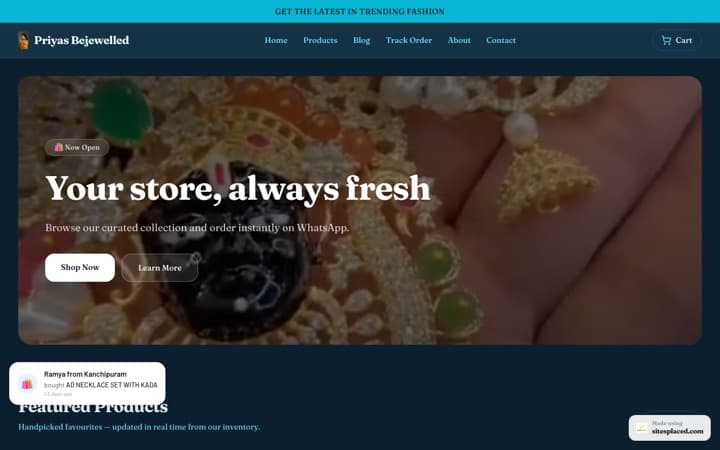
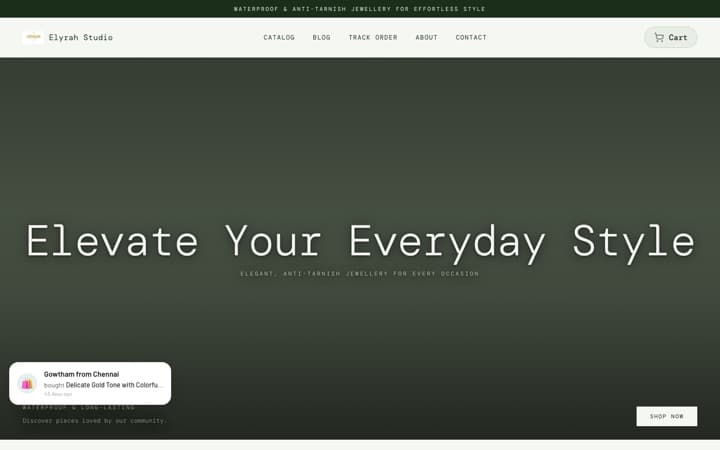
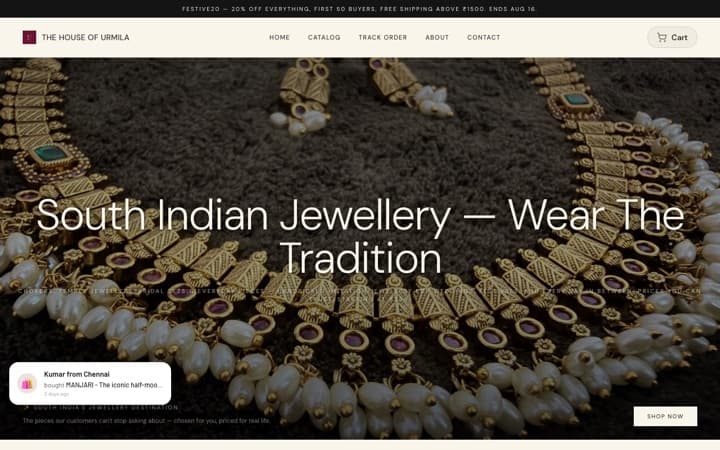
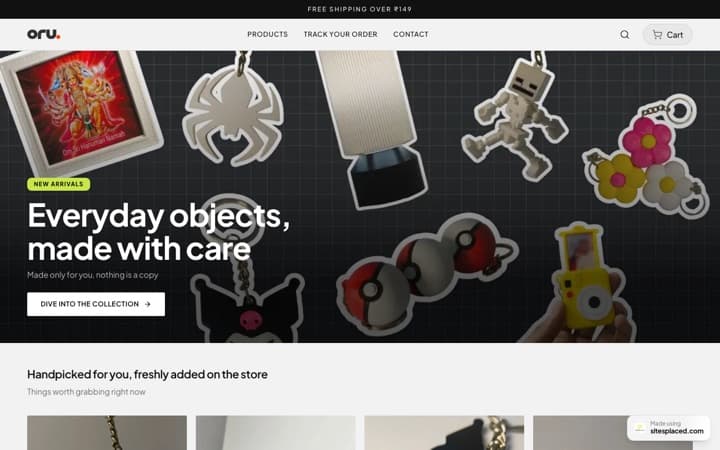
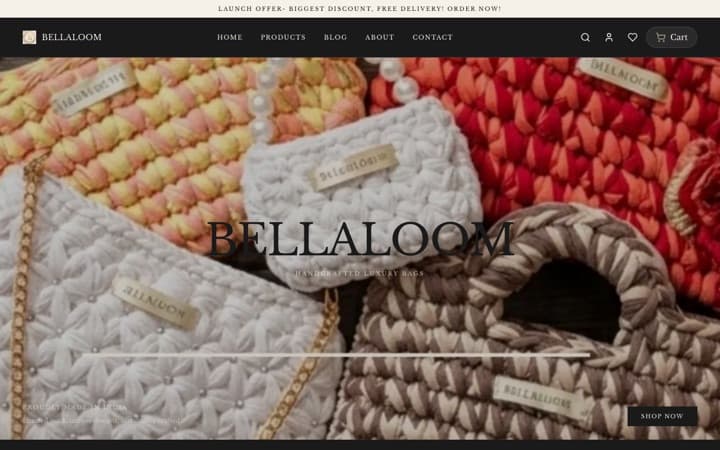
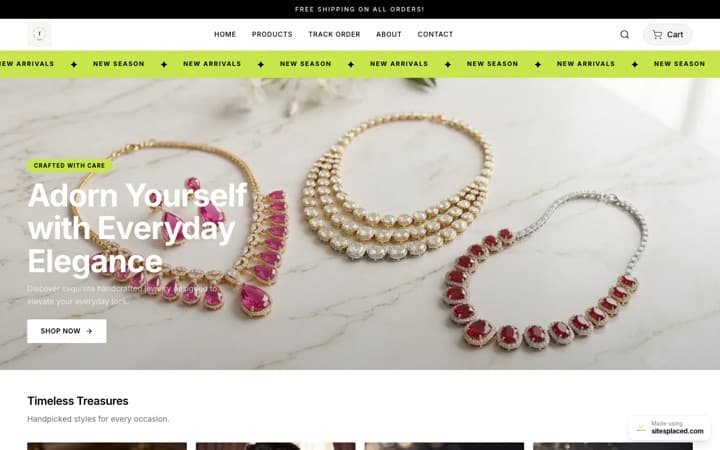
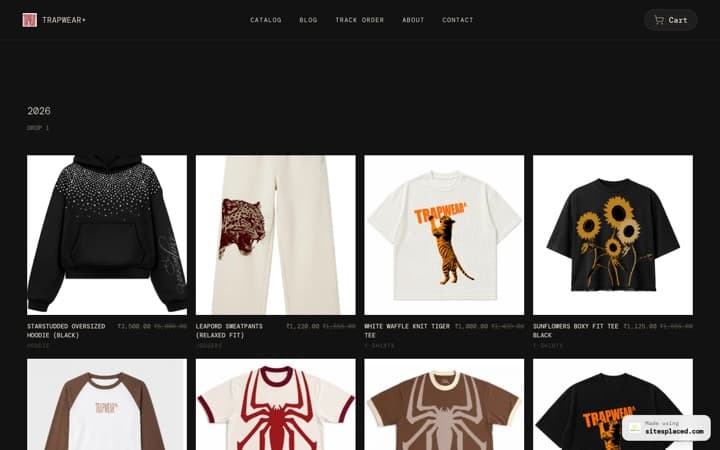
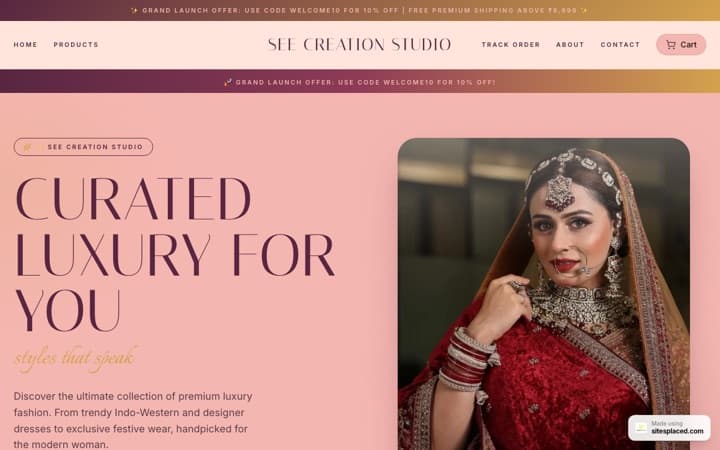
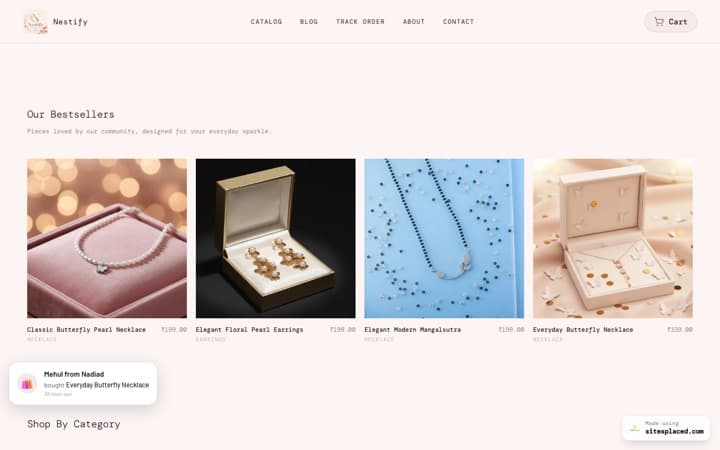
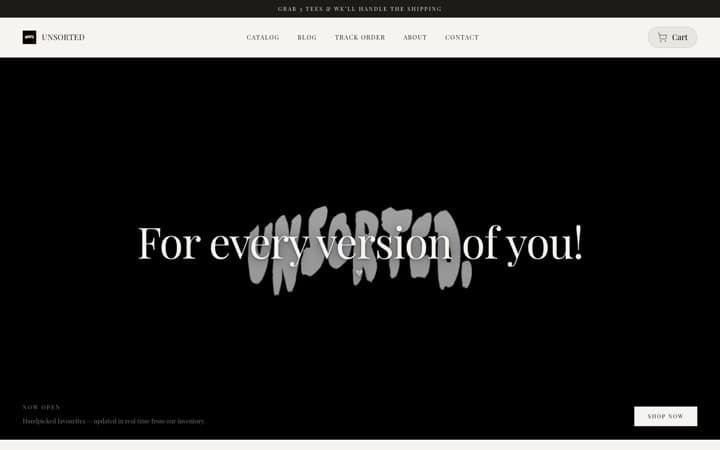
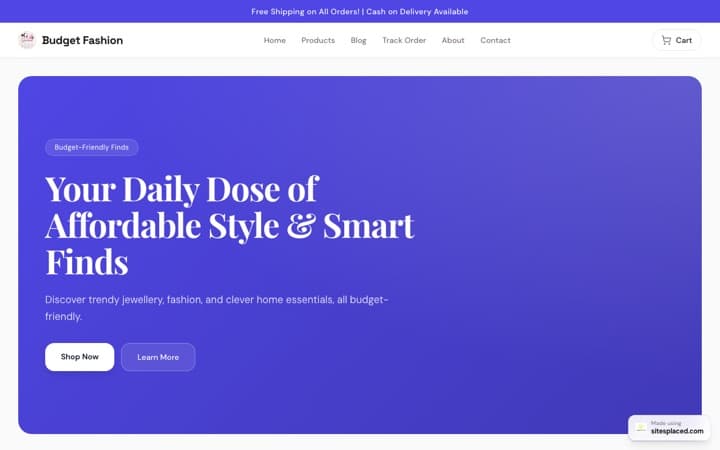
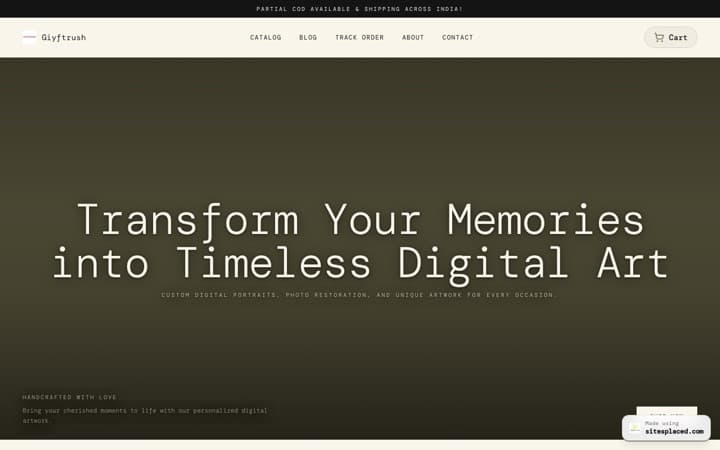
An Instagram grid isn't a catalog — prices live in DMs, there's no order flow, and it screams "rented page." A real website on your own domain changes the whole impression. With a SitesPlaced store you get a shareable catalog with photos, wholesale prices, sizes and a clean order flow, so one professional link replaces the screenshot dump.
It also closes the loop after the pitch: shops can order through your site or native WhatsApp checkout, you get a structured order with items and quantities, GST-ready invoices generate automatically, and Shiprocket handles dispatch — all at 0% commission. Instagram is where they discover you; your store is where the wholesale order actually happens.
Frequently asked questions
Is it better to visit shops in person or DM them?
Both work, for different stages. In-person builds trust fastest and is best for closing a first wholesale order in your local area. DMs let you reach far more shops cheaply and are ideal for a first touch and for following up. The strongest approach combines them: open with a DM that links to your catalog website, then visit the shops that reply warm.
What should I send when I DM a small shop?
Keep it short: who you are, what you supply, one proof point, your wholesale terms, and a single link to your catalog. Avoid dumping ten screenshots. A clean link to a SitesPlaced store or catalog page lets the shopkeeper browse prices and sizes on their own time, which gets far more replies than a wall of images.
Do I need a website to sell wholesale to shops?
You can start without one, but a real website makes you look like a brand, not a random reseller. A SitesPlaced store gives you a shareable catalog on your own domain with photos, prices and an order flow — so when a shop owner asks 'send me your range,' you send one professional link instead of a messy gallery.
How do I follow up without being annoying?
Follow up two or three times, spaced a few days apart, and always add value — a new arrival, a limited offer, or a quick 'did you get a chance to look at the catalog?' Because a website link is permanent, the shop can revisit it whenever they're ready to order, so your follow-ups feel helpful rather than pushy.
How can I take orders from shops once they say yes?
A SitesPlaced store handles it: shops order through your site or native WhatsApp checkout, you get a structured order with items, quantities and amount, GST-ready invoices generate automatically, and Shiprocket handles labels and tracking — all at 0% commission. That's far cleaner than tracking wholesale orders in chat threads.
Send a link, not screenshots
Build a professional catalog website you can drop into any DM or hand to any shop. Free to build & publish, 0% commission, with WhatsApp checkout and GST invoices included; ₹199/month (Starter) adds a custom domain, branding removal and AI.