What should your Instagram bio say? The seller's formula
Your bio is 150 characters of prime real estate and one clickable link. For a seller, that link is the whole game. Here's how to write a bio that turns a profile visit into a tap — and a tap into a sale.
The short version: say who you are, who it's for, one proof point, and one call to action. Point your single link at your own store — not a dead Linktree — so the buyer lands on products with checkout, not a list of links.
Why the bio decides whether you make money
A Reel can pull thousands of people to your profile. But the profile is a turnstile, not a checkout. In the three seconds someone spends on your bio, they decide two things: do I trust this brand, and where do I tap to buy. Get both right and you convert curiosity into orders. Get them wrong and even great content leaks away into nothing.
Most small sellers waste the bio on adjectives — "premium," "aesthetic," "your one-stop destination." Buyers don't act on adjectives. They act on clarity and a clear next step. The bio is not a tagline contest; it's the top of your funnel.
The four-line bio formula
Line 1 — Who you are
State the brand and the category in plain words: "Handmade silver jewellery" or "Cotton kurtas, made in Jaipur." A buyer should know what you sell in under two seconds. Skip the vague poetry; clarity converts.
Line 2 — Who it's for + the hook
Name your customer and the one reason to care: "Everyday pieces under ₹999" or "Festive sarees, delivered all India." This is where you separate yourself from the next ten accounts in the same niche.
Line 3 — Proof
A small trust signal does a lot: "5,000+ orders shipped," "COD available," "GST invoices," or "Ships in 48 hours." Proof lowers the buyer's risk before they even tap your link.
Line 4 — One CTA + the store link
End with a single instruction — "Shop now" or "Order on our store" — pointing to your own store link. Not five links, not a dead Linktree. One clear path to checkout.
Three example bios (illustrative)
These are generic, made-up examples to show the shape — not real brands. Adapt the structure, not the words.
Clothing: Handloom cotton kurtas · Made in Jaipur · Sizes XS–3XL · COD + all-India shipping · 👇 Shop the new drop
Jewellery: Handmade silver, everyday pieces under ₹999 · 4,000+ orders shipped · GST invoices · 👇 Order on our store
Home & candles:Small-batch soy candles · Ships in 48 hrs · UPI / COD · 👇 Browse scents & buy
The link is where most sellers lose the sale
You did the hard part — you earned the click. Then you send that buyer to a link-list page where they have to read, choose, and tap again to maybe find a product. Every extra step bleeds intent. A "DM to order" line is worse: now the sale depends on you replying fast, remembering the size, and not losing the address in a wall of chat.
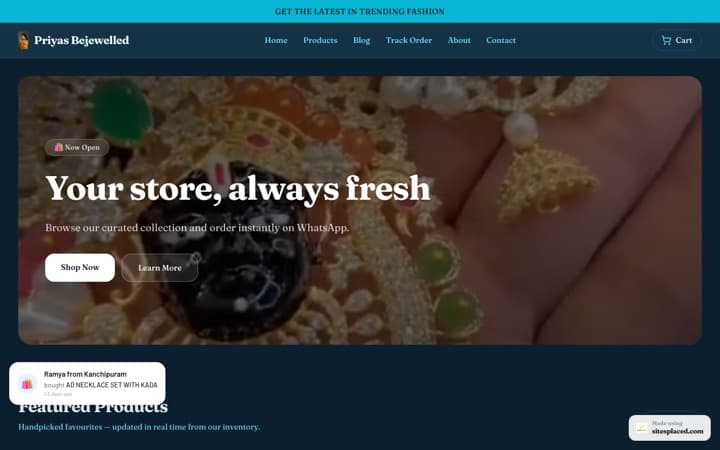
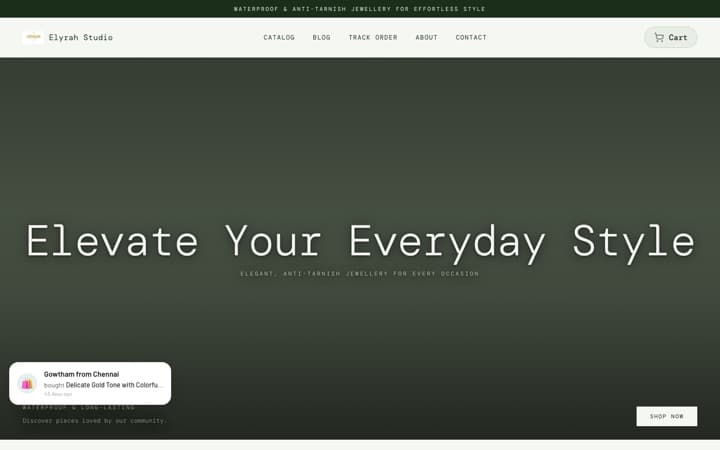
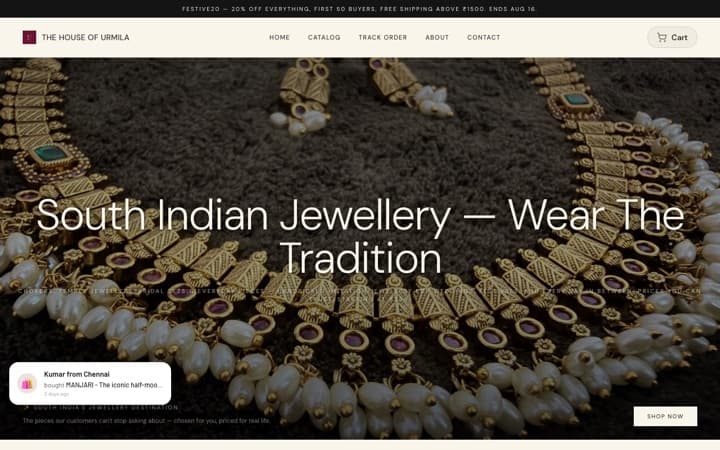
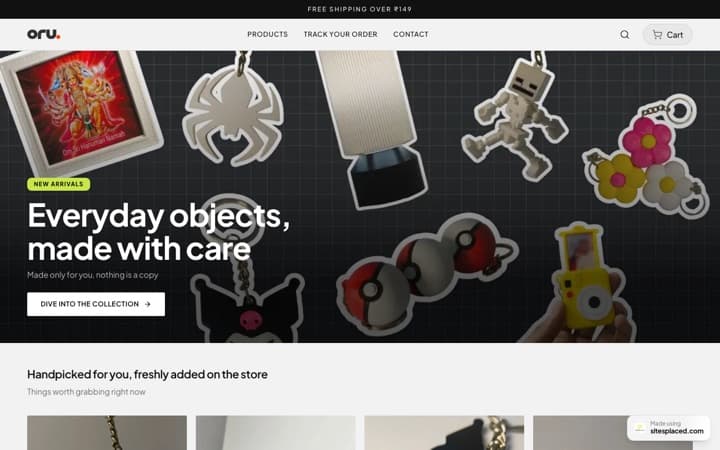
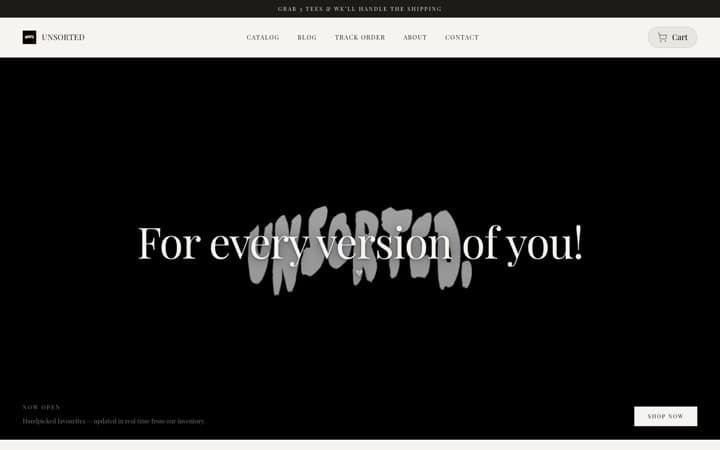
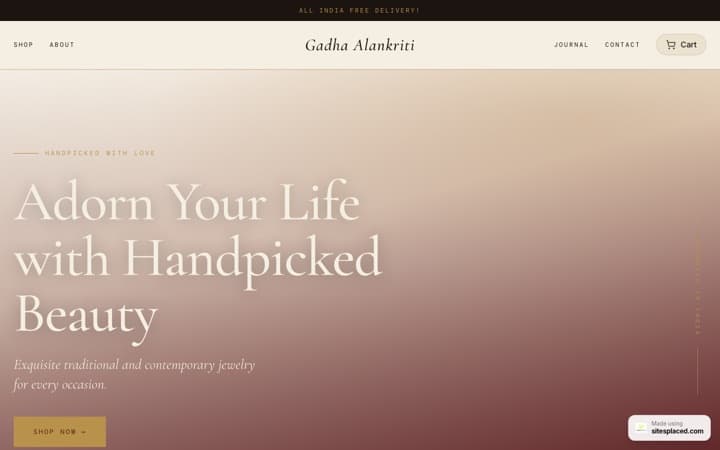
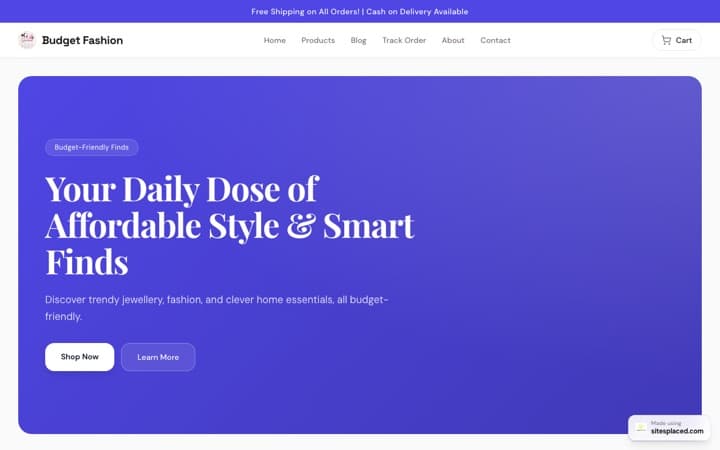
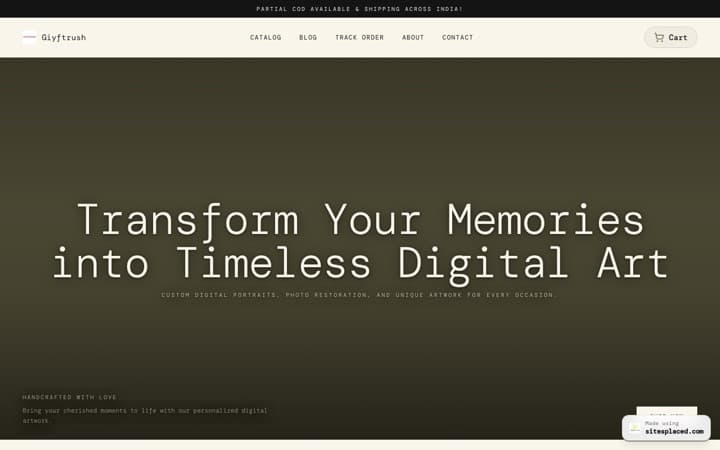
The fix is a single link to a store you own. A SitesPlaced store gives you one yourbrand.com link that opens straight to your catalog, with UPI, Cash on Delivery, Razorpay and native WhatsApp checkout built in — and 0% commission, so the sale you worked for stays yours. The bio earns the tap; the store closes it.
Bio mistakes that quietly cost orders
- No link at all, or a link buried under "DM to order." Make it impossible to miss where to buy.
- A link-tree maze. Five links means four wrong taps. Sellers need one path, not a menu.
- Vague identity. If a stranger can't tell what you sell in two seconds, the bio failed.
- No proof. One trust signal — orders shipped, COD, invoices — lowers the buyer's risk.
- Stale offers. "Diwali sale" in February reads careless. Update the bio when the offer ends.
Frequently asked questions
What should an Instagram bio say for a seller?
Four short lines: who you are (brand + category), who it's for plus a hook, one piece of proof (orders shipped, COD, GST invoices), and a single call to action with your store link. Keep it scannable and lead the reader to one place to buy.
Where should the link in my bio go?
Send it to your own store, not a generic link page that buries your products. A SitesPlaced store gives you one yourbrand.com link that opens straight to your catalog with UPI, Cash on Delivery, Razorpay and WhatsApp checkout built in — so the tap turns into an order.
Is a Linktree good enough for selling?
A link list adds an extra tap and sends people away from buying. It's fine for creators, but for sellers it leaks intent. A store link goes straight to products and checkout, which is what a buyer who clicked "shop now" actually wants.
How many emojis should I use in my bio?
A few, used as bullets or to break up lines, help readability. Too many turn the bio into noise. Use them to guide the eye toward your hook and your link, not to decorate every word.
Should my bio mention prices or offers?
A price anchor ("under ₹999") or a current offer can raise clicks, but keep it true and update it. The deeper detail belongs on your store's product pages, where a SitesPlaced store can show variants, stock and the full price clearly.
Give your bio a link worth clicking
Point "link in bio" at your own store, not a dead link page. Free to build and publish at 0% commission, with UPI, COD and WhatsApp checkout built in — pay only for a custom domain or to remove the badge.